Online Reporter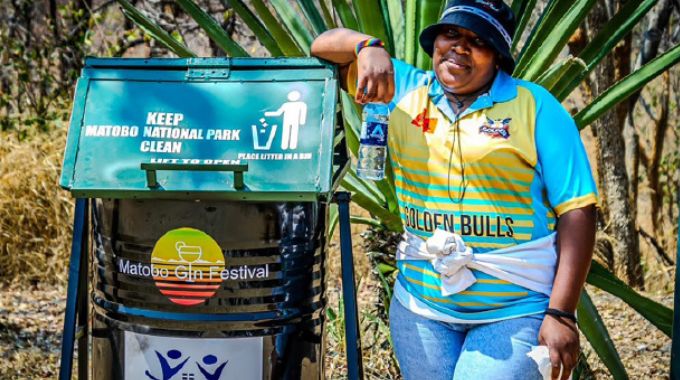
Bruce Ndlovu, Sunday Life Reporter
FOR a century, the Matobo National Park has stood as one of Zimbabwe’s most remarkable natural and cultural treasures.
While the ancient granite formations, caves and wildlife that make Matobo have been there before any boundaries were drawn or fences were erected, over the last 100 years, efforts to preserve some of its iconic landscapes and animals have doubled.
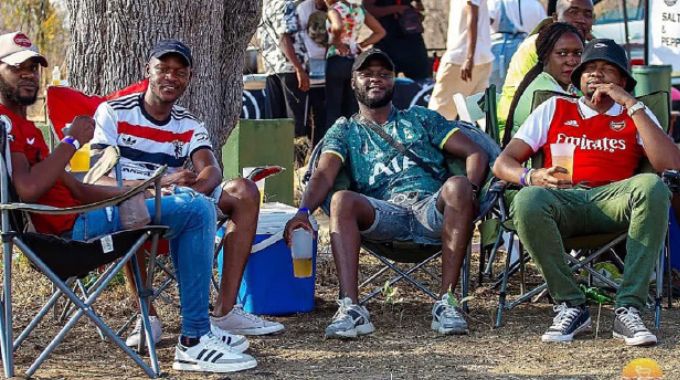
While the celebration of the National Park’s centenary will rightfully focus on the beauty of its landscapes and the animals and plants that live within it, on 26 September, some of its visitors will have a slightly different reason for making the journey. When they arrive, they will be carrying picnic baskets, reaching for locally crafted gin and preparing to dance.
The Matobo Gin Festival returns to the national park for another edition, bringing together music, food, fashion, outdoor activities and Zimbabwean-made spirits in what has become an unusual but increasingly familiar marriage of conservation and celebration.
This year, the occasion carries even greater significance as Matobo marks its centenary.
“For us, this year is a special edition because we are celebrating 100 years of the Matobo National Park,” said Langalakhe Moyo, one of the organisers.
“With that being said, this is the year of the leopard because the national park has the densest population of leopards in the world, so that is a key attraction.”

The leopard theme gives the festival an additional connection to the environment in which it is staged. For all the music, merrymaking and glasses of gin, conservation remains at the heart of the event.
Moyo said the festival was never conceived simply as a commercial entertainment event, with proceeds from previous editions contributing more than US$10 000 towards animal conservation in the national park.
“Many people don’t really know that the Gin Fest is not about making money for us. It is literally about raising funds for animal conservation in the national park.
“We have raised more than US$10 000 through past editions, which has gone towards animal conservation in the Matobo National Park,” he said.
The organisers are hoping to raise even more this year, with support from perennial sponsor King’s Pharmacy and the Swiss Embassy through the SDCZA fund.
Moyo described King’s Pharmacy as an “all-weather” supporter, saying the company had stood by the festival even when it needed support the most.
The Swiss Embassy, meanwhile, has recognised the festival as an event that contributes to art and culture in Zimbabwe.
“I think we are among five major events that have received funds to assist us with artists and other aspects of the festival, which is something we are really grateful for,” Moyo said.
But perhaps the most striking feature of the Matobo Gin Festival is how it has gradually become a showcase for the things that make Bulawayo and the wider Matabeleland region such an important cultural hub.
Music remains at the centre of the experience, but it is no longer the only attraction.
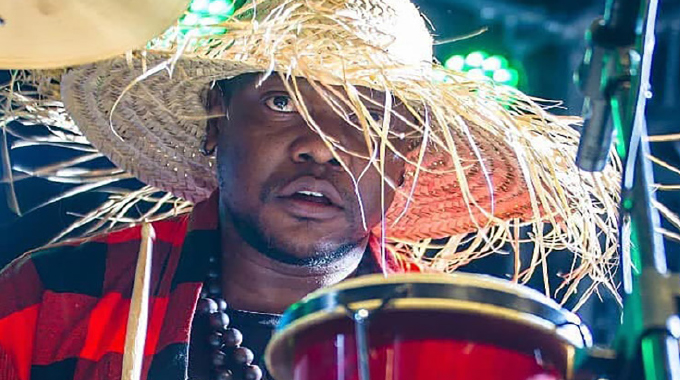
Once again, the festival will have a 100 percent local musical line-up, a decision Moyo believes has helped dispel the idea that Zimbabwean audiences are automatically more interested in imported entertainment.
“In terms of lessons learned, I think there is this whole notion that people are not pro-local artistes,
which I think has been proven wrong.
“Matobo Gin Festival is one event that, over the past four editions, has had 100 percent local artistes, and people have come out in their numbers. We have had an average of 600 people attending the festival to support local artists and local crafts,” he said. The commitment to local talent extends beyond the performers.
Over the years, the festival has become a platform for Zimbabwean gin producers, having hosted Victoria Falls Gin, Nyanga Craft, Masau and Matobo Gin.
This year, Zambezi Gin, produced by Small Town Stills in Marondera, joins the party.
The company also produces Zimbabwe Gin and other spirits, giving festival-goers another opportunity to sample products made at home
For Moyo, the growing appetite for these brands is part of a wider change in consumer tastes, particularly among younger Zimbabweans.
“This shows that, particularly among millennials, there is an interest in things that are different and unique. That is something we are continuing to promote,” he said.
The festival is also being positioned as a shop window for Zimbabwean industry.
“I think, in line with Government efforts to achieve middle-income status by 2030, this is also driven by industry, manufacturing and other sectors,” Moyo said.
“We are trying to showcase to people that we have world-class products made in Zimbabwe, some
of which are now being exported. For instance, I know Zambezi Gin is exported regionally and to Europe.”
This year, the festival is adding another layer to its cultural offering, with Bantu Clothing set to stage a pop-up showcase, bringing its designs to an audience more accustomed to seeing clothes on social media, at fashion events or on celebrities.
Moyo said the brand had made significant strides in recent years, dressing several high-profile personalities who have passed through Bulawayo for major events.
“We are trying something different this year by incorporating fashion. Bantu Clothing is going to showcase some of its fashion designs.
“We have given them a platform to showcase their work to our audience. It will mainly be a pop-up that lasts about 30 to 40 minutes, with some models during the day when it is not too hectic,” he said.
The fashion showcase, he added, will be done in collaboration with another designer whose name was still to be confirmed.
Away from the stage and runway, there could also be a return to the water.
Moyo said organisers were exploring the possibility of introducing canoeing, with the dam enjoying better water levels than it did during last year’s edition.
“We might also have canoeing because, unlike last year, the dam has good water levels. We are still working on how we can provide that service with the people who run the sailing club,” he said.
Games and other recreational activities will also form part of the programme.
“It is not just about listening to music and eating food. People will also have an opportunity to play some games,” Moyo said.
For those attending, the festival offers something that many music events cannot, with opportunity to experience the host venue before the party begins.
The festival ticket allows visitors access to the national park, meaning they can arrive in the morning, explore its roads and caves, hike and take in the landscape before returning for the festival when the gates open at 1pm.
Moyo encouraged festival-goers to make a full day of the experience.
“In the morning, you can come in, visit the roads and caves, go hiking and explore in the park.
Then, when the festival gates open at 1pm, you can join the festival,” he said.
It is this blending of experiences that has helped the Matobo Gin Festival carve out its own identity on Zimbabwe’s increasingly busy events calendar.
It is a festival, certainly, but also a conservation fundraiser.
It is a music event, but also a platform for local artistes.
It is a gin festival, but also a showcase for Zimbabwean manufacturing.
This year, it is a fashion and outdoor event too.
As Matobo celebrates 100 years, the festival seems determined to celebrate not only the park’s past but also the creative energy of the people who live around it.
The hope is that amid the music, fashion, food and locally crafted spirits, visitors will also be reminded of what makes the venue worth protecting in the first place.
“We feel that we can do more,” Moyo said.
“We are hopeful that this year, with the support of the Swiss Embassy and King’s Pharmacy, as well as other sponsors who have shown interest, we can raise even more.”