Moffat Mungazi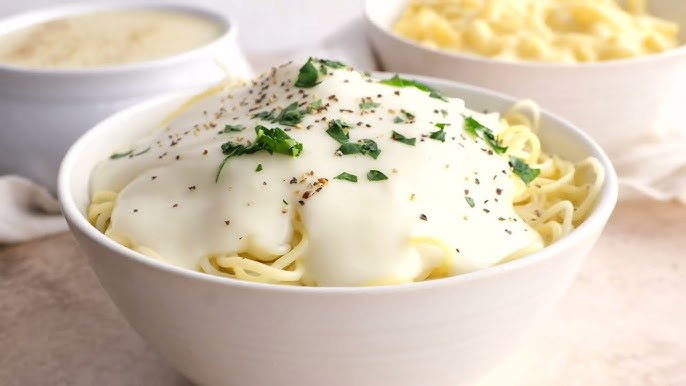
SAUCES add flavour, texture, moistness, viscosity, and eye appeal to a dish. They help pull together the various elements of a plate and make it whole. Sauces also add contrasting or complementary flavours and colours to a plate, keeping the dish exciting and appealing throughout the dining experience.
Start with a flavour base
Begin by sautéing or sweating (gently cooking in fat) an aromatic flavour base of vegetables (shallot and garlic, cloves) in butter, olive oil, or another type of fat. This releases their flavours and infuses them into the sauce as it cooks.
Develop consistency
Flour can be added at this stage (known as the singer method) or thickened later with a prepared roux, refined starch, or other thickening agent. Some preparations are thickened by suspensions, such as tomato sauces, and need no added starch. Still others, including meat-based jus, may be left unthickened, relying on reduction to concentrate flavours while gelatine from the meats adds body.
Add liquids, season, and simmer
Stock, milk, wine, or other liquids are added, and the sauce is simmered. If a prepared roux is used, it is added at this stage. The sauce is simmered and reduced in volume for the appropriate time to develop flavour and consistency.
White sauce
This white sauce recipe can be used as a base for many dishes, such as lasagne, macaroni and cheese.
How to make a white sauce
Making this homemade white sauce could not be simpler. Here is a brief overview of what you can expect:
Whisk flour into melted butter until the roux is thick and golden.
Slowly whisk in the milk. Cook and stir until thickened
Can you make white sauce ahead of time?
This white sauce is best served immediately. However, if you would like to get a jump start on a dish you are planning to make, you can make the white sauce and store it in an airtight container for three days. Reheat on the stove.
Ingredients
2 tablespoons butter/margarine
2 tablespoons all-purpose flour
1 cup milk, or more as needed
Directions
Gather the ingredients.
Melt butter/margarine in a small saucepan over medium-low heat.
Whisk in flour to form a thick paste; cook and stir until golden in colour, about 5 to 7 minutes.
Whisk in 1 cup milk; cook and stir until thickened, about 5 minutes more. Add more milk to reach desired consistency.
When making for Mac n Cheese I add 1/4 cup minced onion to butter as it’s melting. Then cook down onion for about a minute and a half before adding flour. Follow the directions as stated and then add black pepper, cheese but hold off on the salt till the end if it needs it.
Easy garlic butter sauce recipe
Ready in minutes, this easy garlic butter sauce is heavenly on absolutely everything.
It is super simple to make and absolutely irresistible. Perfect served over anything from fish and seafood to pasta and vegetables.
Ingredients
8 tbsp salted butter
4 garlic cloves, minced
1 1/2 tbsp fresh lemon juice
1 tbsp chopped fresh chives
1 tbsp chopped fresh parsley
kosher salt and fresh ground pepper, to taste
Instructions
Add the butter to a saucepan over medium heat and cook until melted. Turn the heat to low.
Stir in the garlic and continue cooking over low heat for 1-2 minutes or until the garlic begins to smell fragrant.
Add the lemon juice and herbs to the butter stirring to combine.
Remove from the heat and serve immediately or keep warm until ready to serve.
Notes
Garlic Butter Sauce is best if served immediately. If making in advance, store in an airtight container, refrigerated, for up to 4 days.
Evaluate and adjust consistency and texture
A sauce should have a light yet thick consistency to coat the back of a spoon.
If the consistency of a sauce is too thin or the flavour too weak, adjust it by gently simmering the sauce to reduce, thicken, and concentrate the flavours.
Other alternatives include adding a thickening agent, cream, a swirl of butter, or a liaison of egg yolk and cream. Add water, stock, or other liquid to adjust consistency if the sauce is too thick.



 Online Reporter