Online Reporter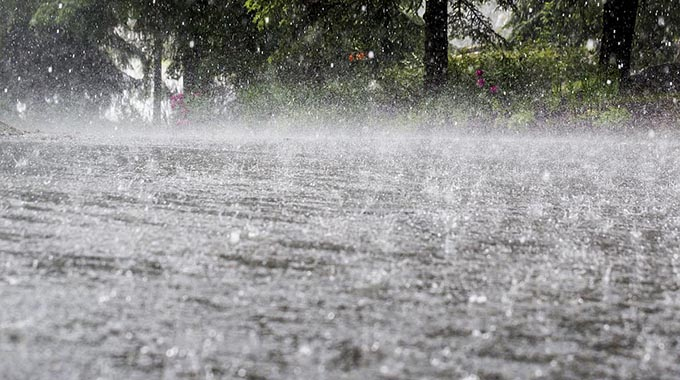
Obert Chifamba
Agri-Insight
PICTURE lush green fields basking in the sunlight — now envision those same fields swallowed by relentless rains leaving farmers grappling with the devastating reality of nature’s overwhelming generosity!
When rain clouds recently refused to relent, some fields were inevitably turned into swamps, leaving farmers staring at a flooded future filled with uncertainty. Under those circumstances, the incessant downpours only drowned hopes of a prosperous harvest, especially for those unprepared to combat this nature’s fury instead of nurturing crops.
It is an undeniable fact that in a world where most farmers depend on the weather’s whims, incessant rains can transform fertile fields into disaster zones and without effective mitigating strategies in place, crops that should have flourished ordinarily, will instead falter, leading to heart-wrenching losses.
The sad reality, however, is that farmers can always mitigate the effects of hostile weather by adopting practices that allow the soil to drain easily but for some strange reasons, they do not seem to be doing anything about it. The contour ridges that they used to construct in their fields have in most cases been erased into nothingness will all the structures turned into cropping land.
In case the purpose of contour ridges is obscure to some people especially the young generation – they are structures used primarily in farming to improve soil conservation, water drainage plus retention, as well as enhancing crop yields.
Contour ridges help reduce soil erosion by slowing down water runoff and allowing it to soak into the soil. By following the natural contours of the land, these ridges create barriers that disrupt the flow of water, minimising soil loss.
On the one hand, they enhance water infiltration and retention in the soil. This is particularly beneficial in hilly regions where heavy rainfall can lead to rapid runoff and soil degradation. Besides stopping the free flow of runoff, contours can also allow excess water to leave the field without leaving productive soil damaged.
This means that they can help retain or improve soil quality and moisture levels, leading to better crop yields. The improved soil structure supports healthier root systems and increases nutrient availability.
The practice of constructing contour ridges in fields is part of sustainable farming systems. They prevent erosion and maintain soil health while helping ensure long-term agricultural viability. The other important feature of contour ridges is that they can create a varied landscape that supports different types of vegetation, promoting biodiversity in agricultural ecosystems.
By integrating contour ridges into farming practices, farmers can achieve more sustainable and productive crop production while protecting the land. During prolonged wet spells, contour ridges can significantly influence agricultural outcomes.
The fact that they contribute to reduced flow of means that they create a platform for more water to infiltrate the soil thereby ensuring that crops receive more moisture, which is beneficial during wet conditions.
In the recent past, construction of contour ridges was compulsory with extension officers enforcing their adoption by all farmers. Extension officers would inspect fields to see if farmers were complying.
Today, that culture seems to have died a natural death and this has left some farmers at the mercy of the vagaries of wet weather especially at a time when climate change has grossly affected the predictability of rainfall patterns.
However, not all is lost. The contour culture can still be revived and this may help save both the soil and yields from unrelenting rains. Whether farmers had deliberately abandoned the culture to free more land for crop production or had just dumped the practice possibly to cut on the labour component, is a story for another day.
The truth for now is that contour ridges can still make a difference when the country experiences lavish downpours like the ones that fell a few weeks ago. Obviously, soils cannot absorb all the water generated by excessive rains and should naturally go elsewhere. This is when contour ridges’ role of directing the water out of the fields without triggering erosion comes into play.
Allowing runoff to exit fields will also address the problem of waterlogging that is typical of incessant heavy rains that end up saturating the ground.
Naturally, heavy rains can lead to soil erosion, especially on slopes. Contour ridges act as barriers against erosion, preserving topsoil and maintaining fertility. And by creating channels for water to drain slowly, contour ridges take care of the challenge of waterlogging, which can suffocate roots and lead to crop loss.
The presence of contour ridges in a field can create microclimates that allow certain crops to survive better in varying moisture levels, promoting biodiversity. They can also boost soils’ retention of nutrients.
Soils that have a high water retention capacity usually fare well in retaining essential nutrients as well and are less likely to experience leaching during heavy rains. This ensures that plants have access to the nutrients they need for growth.
Contour ridges are also known to reduce the risk of flooding in the fields. Instead of inundating fields, water can be controlled and directed thereby minimising the possibility of floods that can end up damaging crops.
They can be a crucial factor in sustaining agricultural productivity during prolonged wet spells. They help manage excess water, protect soil integrity, and ensure that crops can thrive even under challenging conditions. Implementing such practices can be a strategic move for farmers facing increasing variability in weather patterns.
Alternatively, farmers can adopt a practice called contour farming that is similar to contour ridges but involves ploughing and planting across the slope of the land, which helps reduce runoff and erosion.