

 Online Reporter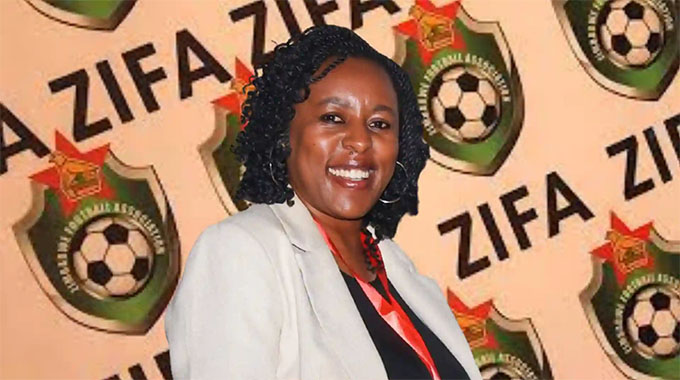
Lovemore Dube, Zimpapers Sports Hub
WHEN top clubs broke away from Zifa in 1993 to form the Premier Soccer League (PSL), they sought control of their own destiny. Frustrated by surrendering large portions of their gate takings to Zifa, they believed self-management would strengthen club football. Three decades later, that promise of independence still feels fragile. Clubs remain heavily taxed on match-day revenue, and even a powerhouse like Highlanders — responsible for more than 40 percent of the league’s total gate receipts — continues to operate under constant financial strain.
The past week sharpened the question. Zifa asked the PSL to consider expanding the top flight to 20 teams — a move that left some insiders convinced the league’s autonomy is slipping back into old hands. The request was intended to spark discussion, but the speed and manner in which it unfolded exposed deeper governance issues. The 18 club representatives should have known the proposal could not be pushed through at the end of a season. Any change to relegation or membership must go through the Zifa Assembly, the sport’s highest decision-making body.

It seemed odd that Zifa chief executive officer Yvonne Manwa wrote to PSL chief executive officer Rodwell Thabe on such a weighty structural matter. These are conversations meant for politicians and Assembly members, not CEOs.
Their role is to implement resolutions, not float ideas that disrupt competitions already in motion. What played out was a simple case of poor governance.
The PSL responded by summoning its clubs and, within days, adopted a resolution that was later rejected by the very association that triggered the discussion in the first place. The back-and-forth raised questions about who actually holds the reins.
The heart of the issue is clear. Promotion and relegation are not optional features of the game — they are fundamental principles mandated by Fifa. Rules may differ from country to country, but the foundation remains the same: a team’s right to play in the top flight must be based on sporting merit. It is why Fifa calls promotion and relegation the essence of football.
Associations decide the finer details, but they must do so through transparent, pre-defined processes. Some leagues operate differently, such as the closed franchise system in the United States, yet even that model exists through special exemptions that have drawn Fifa’s scrutiny for years. Everywhere else, the stakes are simple: win to go up, lose and risk going down.
The drama of survival and promotion carries the soul of the game. The fight to avoid the drop is as compelling as the race for the title. It is raw sporting jeopardy that rewards excellence and punishes failure. That is why the concept cannot be bent to suit convenience or favour certain clubs.
Which brings the debate back home. The idea that a team with one win in 34 matches, like Kwekwe United, could be handed a route back into the Premiership in 2026 insults the competition and the paying fans. It strips meaning from every match and undermines integrity across the league.
The haste with which the PSL moved on this matter, coupled with abstentions from Ngezi Platinum and Herentals and dissenting votes from Chicken Inn and FC Platinum, paints a troubling picture. The league that once broke away to control its own affairs now looks like it has drifted back towards Zifa’s doorstep. Its soul and independence appear diminished.
Club members should hold their chairpersons accountable for actions taken at such platforms that leave the game’s spirit bleeding. It remains to be seen whether there are men of honour among them willing to step down after the latest fiasco.


 Bongani Ndlovu