Online Reporter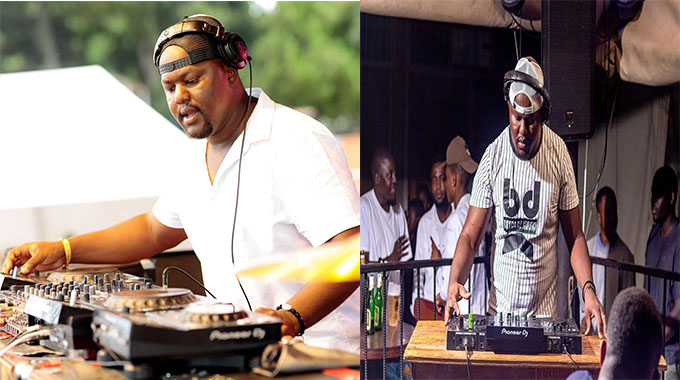
Zimpapers Arts and Entertainment Hub
There is a silent battle happening on Zimbabwe’s stages, clubs, and airwaves, a cultural erosion spearheaded not by foreign forces, but by the very hands behind the decks: DJs.
In a concerning trend, many Zimbabwean club and event DJs continue to prioritise foreign music in their sets, sidelining local content even during competitions like the Carling Black Label DJ Clash. These events, which could be perfect platforms to champion Zimbabwe’s rich and diverse soundscape, often become echo chambers of international hits.
At shows across the country, especially in Bulawayo, it has become the norm for DJs on rotation to recycle global tracks, ignoring home-grown music that is just as vibrant, relevant, and crowd-moving. This pattern has far-reaching consequences for the country’s musicians, whose work rarely gets the exposure it deserves beyond their loyal core fan bases.
However, all hope is not lost. A few torchbearers are resisting the tide. DJs such as Mzoe, Nospa, and resident spinners at koSamuriwo have shown consistency and patriotism by giving local music the spotlight it deserves. These DJs have proven that when played with confidence, Zimbabwean music not only fits in but often dominates the mood of events.
The excuse that “people don’t vibe to local music” is steadily being dismantled. When DJs include local songs in their sets, crowds have shown overwhelming support, singing along, dancing, and celebrating their own.
One only needs to look at last weekend’s Warrinaland event in Bulawayo to understand the potential. DJ Bryce (Andiswa Dube) stood out as one of the few who boldly spun local tracks, earning high praise from soul artiste MJ Sings.
“S/O to the DJs such as Bryce Andiswa Dube who continue to take big risks by making sure our music gets heard during their sets. Singathola abo Bryce abayi 10, we’ll be good to go,” MJ Sings shared after the show.
If Zimbabwean music is to thrive, its champions must first be found behind the decks. DJs are more than entertainers; they are culture shapers and gatekeepers of sound.