Online Reporter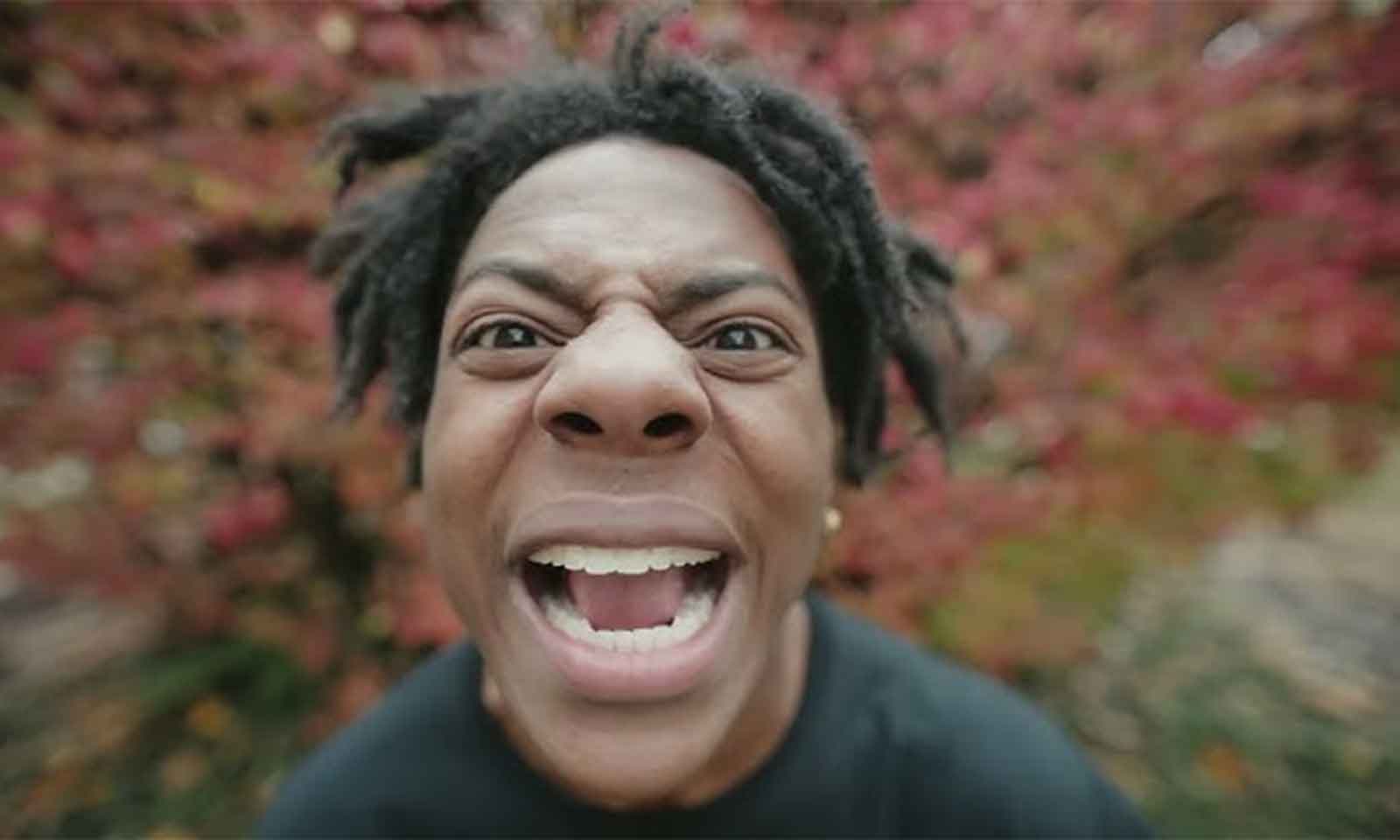
Tafadzwa Zimoyo
Zimpapers Entertainment Editor
There are moments when global attention turns not through diplomacy or disaster, but through culture that is spontaneous, digital, and youth-driven.
One such moment is unfolding across Africa, carried on a livestream and fuelled by millions of screens, as popular internet personality IShowSpeed moves across the continent. Zimbabwe, now firmly on his route, is waiting and watching.
Born Darren Jason Watkins Jr., IShowSpeed rose from relative obscurity to global prominence through livestreaming, a medium once dismissed as fleeting. What set him apart was not polish, but presence. His unfiltered reactions, emotional volatility, and fearless curiosity created a raw connection with a generation raised on immediacy.
Today, with tens of millions of followers across YouTube, TikTok, and Twitch, Speed commands an audience larger than many traditional broadcasters.
His ongoing African tour has transformed that digital influence into something tangible. In South Africa, Speed was met with massive crowds, trending across X and TikTok within hours of landing. From Cape Town to Johannesburg streets to informal interactions with locals, his livestreams dominated timelines, with South African users celebrating the visibility he brought to everyday spaces often overlooked by global media. His name trended nationally, while clips of spontaneous dances, football kick-abouts, and candid conversations circulated far beyond his core fanbase.
In Angola, the reception carried a similar intensity.
Speed’s interactions with locals, from street vendors to young fans, sparked viral moments that pushed Angola into international conversations. Angolan creatives praised the authenticity of the exposure, noting that the country was being seen not as a headline, but as a lived experience. Once again, social media platforms lit up, with millions engaging in real time.
“Speed doesn’t just visit places — he turns them into conversations,” said Sipho Mkhize, a Johannesburg-based digital analyst. “What he did for visibility in South Africa is something tourism boards struggle to achieve with big budgets.”
That pattern is precisely why Zimbabwe’s anticipated inclusion in the tour carries such weight. While Speed has not yet arrived, expectations point to an early January 2026 visit, and already the digital atmosphere is charged.
Zimbabwean social media is agog with speculation: where he might go, who he might meet, and what moments could unfold.
Hashtags referencing his visit have begun circulating, with fans urging him to explore local food, football culture, music, and landmarks. Content creators are positioning themselves for collaborations, while ordinary citizens debate how Zimbabwe should present itself when the livestream finally goes live.
“This is bigger than hype,” said Rumbidzai Nyathi, a Harare-based content creator. “Millions of young people will see Zimbabwe through his eyes. That’s powerful, especially when we don’t often control how our story is told.” Another social media expert and prominent sports and entertainment manager, Godfrey ‘Vokal’ Bakasa, posted about the anticipated visit:
“Speed is coming to Zimbabwe for experience. Let’s show him our vibe, food, and most importantly how ordinary Zimbabweans live. Farmers, this one is for you. If you expect him to be your fan you will be disappointed — he is only CR7’s fan. Give him the experience; he will definitely put you on the stream.”
“He isn’t here to hotspot his aura; he doesn’t deal with emotions but power. He is arguably the biggest live streamer of his generation.”
Bakasa added that places Speed is expected to visit include Mbare Matapi, Mbare Musika, and CopaCabana bus terminus, among others. “Let him enjoy our commuter omnibus, take him to Mereki spot, and make him do his signature backflip at the Mbuya Nehanda statue. Make him do bungee jumping at Victoria Falls — Zimbabwe is marketed, finish and klaar!” suggested Bakasa.
Beyond entertainment, the implications are cultural and economic. Speed’s livestreams function as real-time tourism windows. They offer unscripted, human-centred storytelling that resonates deeply with global youth audiences. Countries he visits do not appear as destinations; they appear as experiences. That distinction matters.
Tourism experts note that such exposure can influence travel interest more effectively than traditional campaigns. Viewers who encounter Zimbabwe’s warmth, humour, and creativity through Speed’s lens may be prompted to explore further digitally at first, physically later. Local businesses, artists, and service providers stand to benefit from the ripple effects of even brief appearances.
Yet this moment also calls for awareness. Speed’s content thrives on authenticity. The power of Zimbabwe’s moment will lie not in performance, but in openness in everyday interactions, genuine hospitality, and cultural confidence.
For Speed, Zimbabwe represents another chapter in a journey that has redefined him from internet entertainer to cultural connector. For Zimbabwe, it represents a chance to meet the world without filters or intermediaries.
When that livestream eventually begins on Zimbabwean soil, it will not simply document a visit. It will frame a narrative. And in that frame, Zimbabwe will have the rare opportunity to be seen — not explained, not edited, but experienced.