shloboe boe
Emmanuel Koro
THE spirit and aspirations of South African hunting communities to engage in international hunting will never die despite efforts by Western animal rights extremist NGOs to ban international hunting.
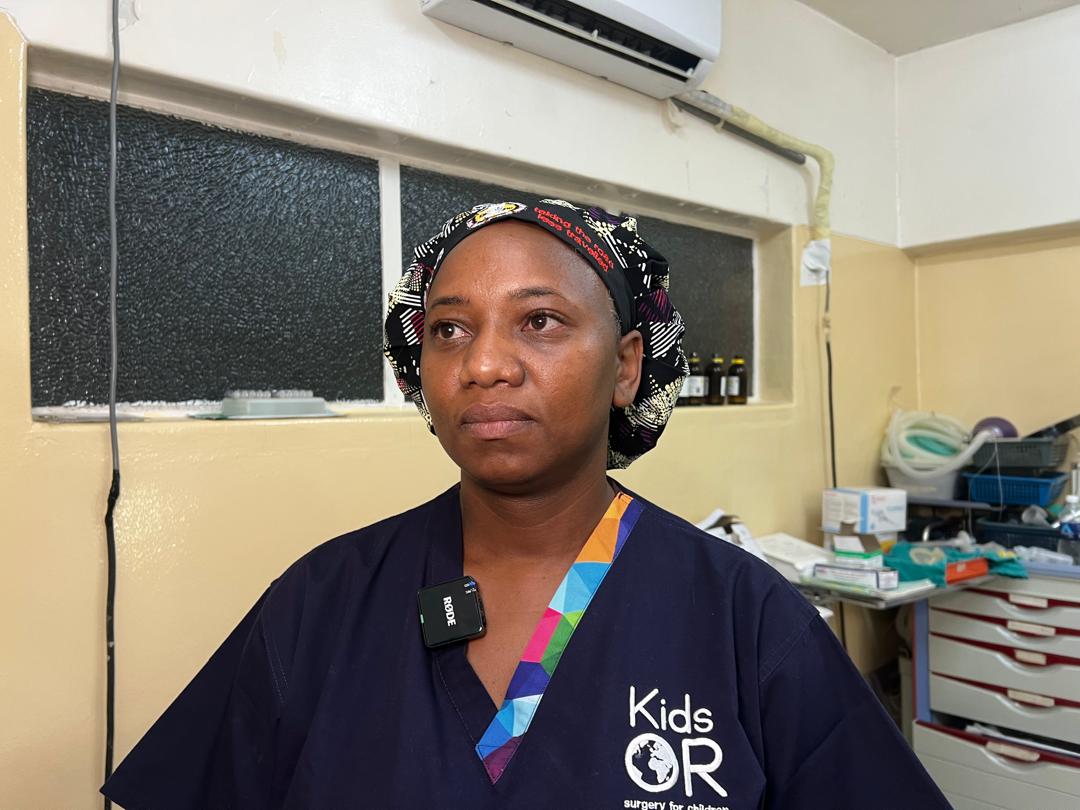
Ms Idah Baloyi, chairperson of the Makuya Traditional Council, recently confirmed that when international hunting takes place her community always benefits from it.
She said that the benefits include essential funds for food, clothing and education.
Located near the elephant-overpopulated and wildlife-rich Kruger National Park, the Makuya Community hunts wildlife according to the scientifically approved sustainable wildlife hunting off-take.
It involves harvesting an insignificant percentage of wildlife which doesn’t negatively impact on the population growth of the hunted wildlife.
Meanwhile, Ms Baloyi rejected claims that hunting threatens wildlife, highlighting their commitment to conserving nature for future generations.
To demonstrate this, the Makuya Community owns and co-manages with government, the Makuya Conservancy.
“When we hunt, we don’t cut [destroy] trees and grass so that our young sisters who are coming after us will be able to know the elephant, will be able to know the importance of seeing impala,” she said rubbishing lies by animal rights extremist NGOs that international hunting threatens wildlife populations.
Meanwhile, another community near the iconic Kruger National Park, Mukuleke, also expressed the need to engage in international hunting.
So too did the Northern Cape Province-based Khomani San Community, which is convinced that international hunting can support its conservation and socioeconomic needs.
A Khomani San representative Brain Miennies noted that hunting could provide crucial resources, like clean drinking water, for their community.
The Khomani San Community owns 25,000 hectares in the Kgalagadi Transfrontier Park.
The huntable wildlife includes lion, giraffe, kudu, blue wildebeest, zebra, eland and springbok, making it a potential hunting destination.
About the writer: Emmanuel Koro is a Johannesburg-based international award-winning environmental journalist focusing on Africa’s environmental and developmental issues.


 Online Reporter