Chronicle Editor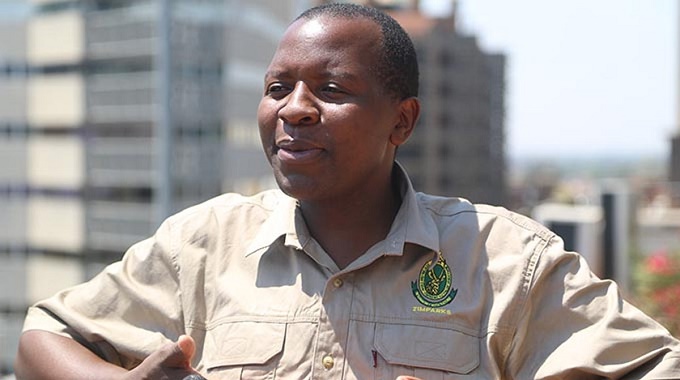
Leonard Ncube, Victoria Falls Reporter
WILD animals are reportedly wreaking havoc in some parts of Lupane district where they are killing livestock and destroying crops.
Zimbabwe Parks and Wildlife Management Authority (ZimParks) spokesperson Mr Tinashe Farawo, however, yesterday said the human-wildlife conflict is not unique to Lupane as such incidents, including attacks on humans, are happening countrywide.
Villagers in some parts of Lupane say elephants are destroying crops especially along Mbembesi and Gwayi rivers while hyenas and lions are killing cattle, donkeys and goats.
A female lion and a cub are reportedly camped in the Jotsholo communal area where they have killed four beasts within a month while hyenas have killed dozens of donkeys and goats especially in ward 28 covering Mbembesi, Mlonyeni, Malumba and Mafa areas which are adjacent to Forestry Commission land.
Some parts of Lupane are adjacent to Hwange National Park in the Gwayi area while others are bordered by land administered by the Forestry Commission.
Some areas are also administered by Kusile Rural District Council (KRDC) through the Communal Areas Management Programme for Indigenous Resources (Campfire).
Mr Nqobile Nkomazana of Mlonyeni village said hyenas have been a menace.
“A hyena killed one of our donkeys recently and it also killed a neighbour’s. Hyenas have been a menace since last year as they have been killing donkeys and goats at night,” said Mr Nkomazana.
Villagers accused wildlife authorities of failing to react each time a report is made.
KRDC chief executive Mr Christopher Chuma confirmed receiving numerous reports from villagers around the district.
“There are many hyenas in that area (Ward 28) but the problem is that the place is under Forestry Commission while we only focus on communal areas. We have serious problems and people have been reporting but unfortunately we refer some to ZimParks or Forestry Commission.
“In Jotsholo Campfire area there is an adult female lion and a youthful male that have been killing cattle. They were first detected after killing two cows. They killed two calves recently. We would want to urge people not to remove carcasses before we attend the scene because we would want to use those remains as bait,” said Mr Chuma.
He said the local authority needs an animal tracker to locate some of the dangerous animals in the bush.
“We know where the lion stays but we are incapacitated to follow it. We have to react in 30 minutes and use the carcass as a bait,” explained Mr Chuma.
He said council rangers recently drove away a herd of elephants that had been destroying villagers’ crops.
Mr Farawo said human-wildlife conflict is a result of overpopulation of animals in the country’s game parks.
“We are receiving human-wildlife conflict cases almost daily and in every part of the country. That is why we have been saying our animals are overpopulated. We need to do something to protect wildlife and humans,” he said.
Mr Farawo said communities should benefit from resources around them, including wildlife for them to appreciate their co-existence.
He said this while referring to some animal rights groups that are against relocation or hunting of wildlife.-@ncubeleon.



 Online Reporter