By Sifelani Tsiko
FactCheck Editor
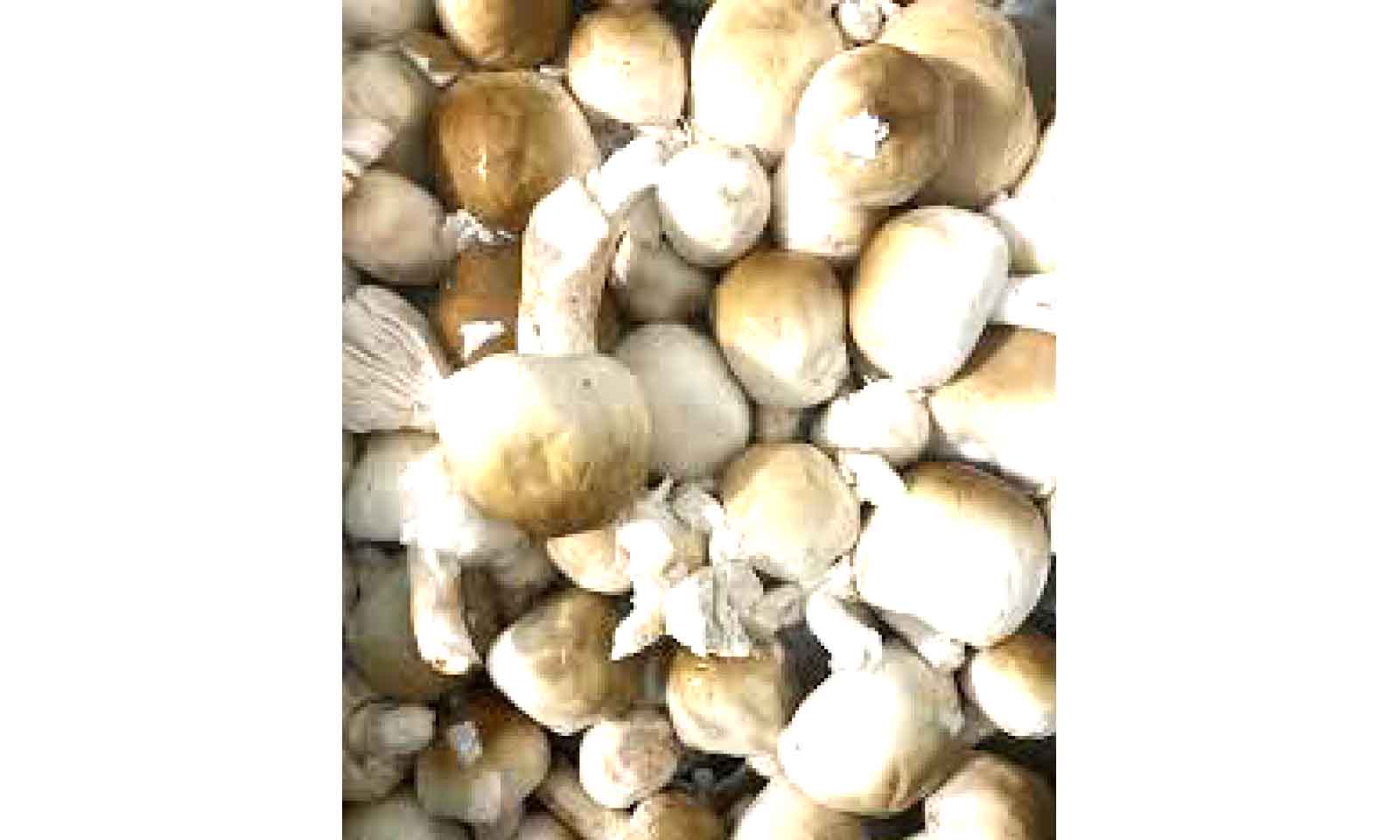
During the summer rains, many people in various parts of the country forage for wild mushrooms as a delicacy for consumption and for sale to other consumers. However, at this time of the year, amatoxin poisoning linked to the consumption of wild, foraged mushrooms is also common with clinics and hospitals throughout the country registering a rise in hospitalisations after people would have eaten dangerous poisonous mushrooms.
Health experts say poisoning often results in severe liver damage as people consume death cap mushrooms that can easily be mistaken for safe, edible mushrooms because of their similar taste, smell and appearance. In this report, the Scientific and Industrial Research and Development Centre (SIRDC) Health and Agriculture Cluster experts share with The Herald knowledge to help our readers better understand the risk of eating wild mushrooms. The experts answer common questions about risks of mushroom poisoning, what symptoms people should watch out for and what to do if you or someone you know eats a wild, poisonous mushroom by mistake.
Wild mushrooms: A popular seasonal delicacy
Mushrooms are rich in protein, fibre and essential minerals. They help diversify diets during the rainy months. Women and children often gather them, and traders sell them along highways and in growth points in fresh or dried form. This seasonal harvest supports both household food security and informal traders’ livelihoods.
The biological threat: amatoxins
Zimbabwe’s ecosystems host a wide diversity of fungi across its agro-ecological regions. Edible species such as Amanita zambiana (Nhedzi), Lacturius kabansus (Nzeveyambuya), Cantharellus heinemannianus (Tsvuketsvuke) and certain Boletus are widely recognised and consumed. Alongside these edible species are toxic varieties growing in the same habitat.
This primary threat comes from the toxic Amanita phalloides species. These contain natural chemicals known as amatoxins which inhibit RNA polymerase II causing cellular apoptosis in the liver and kidneys. These toxins are not destroyed by cooking, frying, or drying. Once consumed, they enter the bloodstream and attack the liver by blocking its ability to produce essential proteins without which liver cells begin to die. For example, the Death Cap mushroom contains amatoxins which cause an administrative organ systemic shutdown (apoptosis).
The clinical course of mushroom poisoning
What makes mushroom poisoning especially dangerous is the delay in manifestation of severe symptoms with a 6–24-hour asymptomatic latent period. Thereafter, a violent gastrointestinal phase with severe diarrhoea, vomiting, and dehydration ensues, followed by a deceptive period of improvement. Eventually, acute liver and multi-organ failure sets in requiring urgent medical intervention.
Pervasive misidentification and inadequate knowledge
Zimbabwe has experienced repeated cases of mushroom poisoning over the years and most of these incidences are not a result of recklessness. They arise from misidentification, morphological (relating to the scientific study of the structure and form of animals and plants) mimicry and unreliable rules/myths. Edible and toxic mushrooms can grow side-by-side in the same environment. Weather patterns, soil conditions and growth stages can alter appearance such that even experienced foragers can make mistakes.
Morphological mimicry
Edible Termitomyces (huvhe) and toxic Chlorophyllum molybdites both grow in similar habitats and can be easily confused.
Unreliable rules/myths
- Poisonous mushrooms are easy to identify
There is no simple visual rule to differentiate between poisonous and edible mushrooms. Poisonous mushrooms come in all shapes, colours and sizes and in some cases closely resemble edible ones. Knowledge and experience are key for correct identification of spore prints, habitat and other unique features.
- Silver spoon test
There is a longstanding belief that stirring a pot of mushrooms when cooking and the spoon turns black or tarnishes is an indicator that the mushrooms are poisonous; this is scientifically invalid.
- Peeling the cap
Some people believe that peeling the cap makes the mushroom safe. This is untrue considering that toxins are distributed throughout the mushroom.
- Cooking makes all mushrooms safe for human consumption
There is a common belief that cooking makes mushrooms safe. Heat cannot break down toxins in mushrooms. Safety for human consumption begins with correct mushroom identification, not just cooking.
- Animals eat them so they must be safe
Simply because animals like squirrels and dogs eat wild mushrooms and do not react badly does not make them safe for human consumption. Some animals have natural resistance to the toxins that may be fatal to humans.
Environmental risks and bioaccumulation
Mushrooms serve as sponges for their environment leading to bioaccumulation. Wild mushrooms growing near mining areas, contaminated soils, or roadsides can accumulate dangerous levels of lead, cadmium, mercury, and arsenic. For example, studies from Europe post-Chernobyl show that mushrooms can concentrate radioactive caesium-137. While specific Zimbabwean studies on heavy metals in wild mushrooms are limited, the principle is well-established in mycology.
A path towards safe consumption of indigenous mushrooms
Wild mushrooms are part of our culture and ecosystem. The solution is not to discourage their consumption, but to promote informed caution. The number one rule is simple: If you are not sure, don’t eat it. This is especially true for wild mushrooms. Public education campaigns, improved reporting systems and support for safer cultivation practices could significantly reduce preventable deaths. Best foraging practices are essential for preventing some tragedies of mushroom poisoning. Most traditional knowledge is passed onto the next generation orally. Proper documentation of indigenous knowledge systems on edible mushrooms is advised.
What symptoms should people watch for after eating a wild mushroom?
Other toxicologists say one of the most concerning signs is delayed symptoms. Less toxic mushrooms usually cause nausea and vomiting within the first six hours. In contrast, Amanita phalloides classically cause nausea and vomiting more than six hours after ingestion. That delay is a red flag for toxicologists because it suggests the person may have eaten one of the most dangerous species.
Alert! If mushroom poisoning is suspected, immediate medical attention is critical even if symptoms appear to improve. Toxicologists say there is no simple antidote like we have for some other poisonings. Treatment is mostly supportive — IV fluids, critical care and in worst situations, liver transplant, which may be costly and unobtainable locally.