admin
admin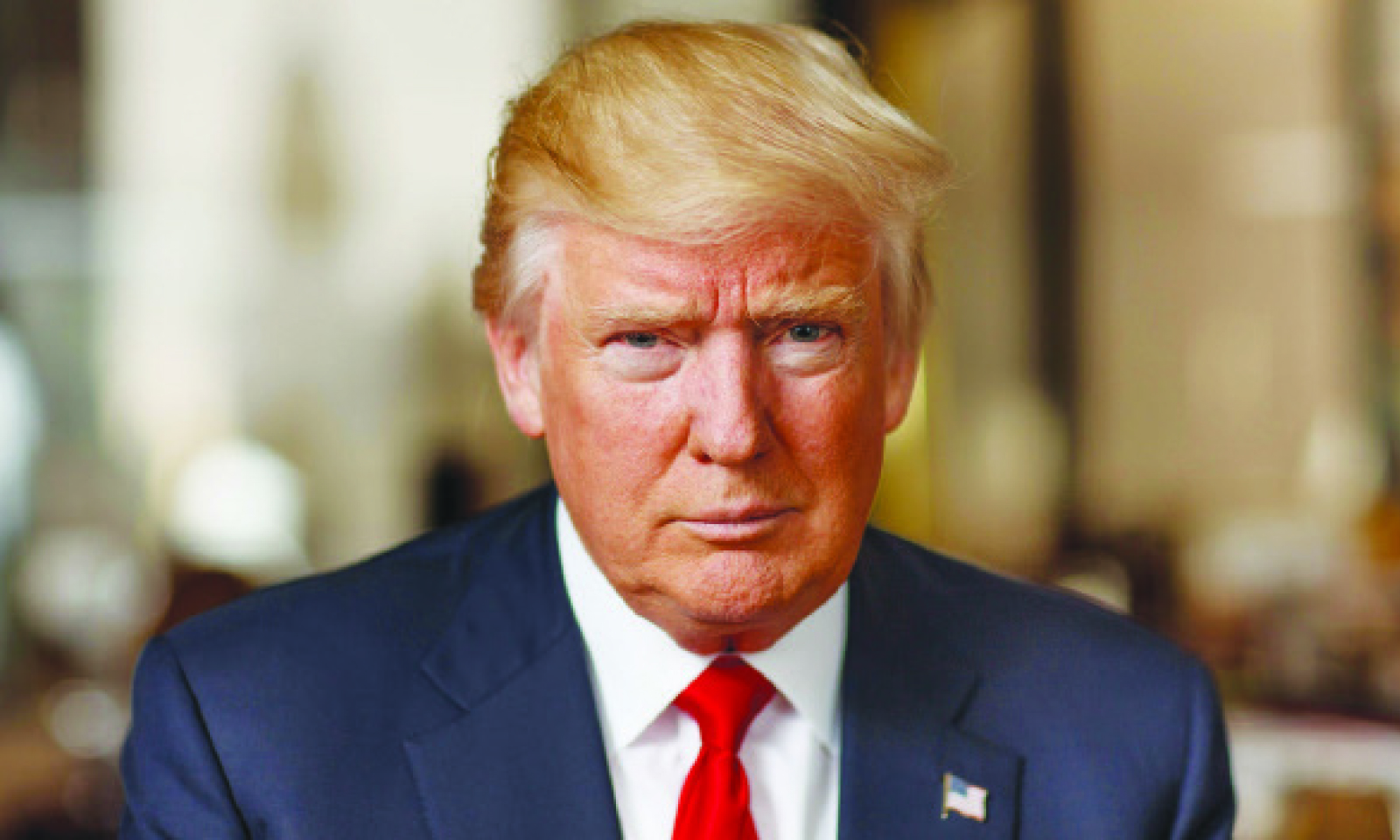
Richard Muponda
Zimpapers Politics Hub
NEW US President Donald Trump’s administration has sparked significant interest globally, particularly in Africa, where many are keen to understand the potential impacts of his foreign policy on the continent.
During his previous four-year term, President Trump adopted an isolationist approach towards Africa, emphasising an “America First” policy.
His administration made minimal contributions to African development, notably cutting funding for various projects, many of which he deemed unaligned with US national interests.
Trump’s presidency coincides with the increasing influence of China in Africa.
Statements from his administration suggest a desire to counterbalance this influence by negotiating economic deals favourable to the United States.
However, Trump is acutely aware that displacing China’s entrenched economic presence in Africa will be a formidable challenge.
Africa’s wealth of natural resources, many of which are essential for advancing technology, has led analysts to predict that Trump’s administration may inadvertently transform the continent into a “new battleground” for resource access and exploitation.
He has already indicated that his foreign policy towards Africa will differ from that of his predecessor, President Joe Biden, who focused on non-economic issues like promoting LGBT rights, democracy, and human rights.
With his background as a businessman, Trump is likely to prioritise economic diplomacy aimed at bolstering the American economy.
Upon taking office, he enacted several presidential decrees with global health implications, notably withdrawing the United States from the World Health Organization (WHO) and the Paris Agreement, actions primarily aimed at countering China, which he accused of benefiting disproportionately from US contributions.
Historically, Africa and other developing nations have relied on US funding through the WHO for essential health initiatives, including malaria prevention, HIV/AIDS treatment, and tuberculosis management.
In Zimbabwe, for instance, the US has played a critical role through the President’s Emergency Plan for AIDS Relief (PEPFAR), which aims to eradicate HIV/AIDS by 2030.
Finance Minister Professor Mthuli Ncube expressed concerns during a virtual meeting in Davos, Switzerland, warning that the US withdrawal from the WHO would adversely affect developing countries facing health challenges.
He emphasised the need to increase funding for health initiatives to compensate for any potential loss of foreign support.
While the withdrawal from the WHO may pose risks to Africa’s health sectors, there remains hope that Trump’s “Make America Great Again” (MAGA) agenda will prioritise establishing mutually beneficial trade treaties, leading to increased economic opportunities and access to American markets.
As China expands its influence in Africa, there is optimism that the United States will engage more actively with the continent, promoting a balanced approach to foreign influence and fostering development.
African nations are eager for collaboration in Information and Communication Technology (ICT) and envision partnerships that leverage their natural resources to boost economic growth through technology and innovation.
The competitive landscape with China presents an opportunity for increased US investment in infrastructure and development projects across Africa, with a focus on strategic partnerships in energy, agriculture, and technology.
To fully capitalise on this US-China competition, African countries must negotiate trade agreements that prioritise local benefits, ensuring that resource extraction and utilisation yield advantages for local communities.
A united front through regional organisations will enhance Africa’s bargaining power in trade discussions with the United States.
Experts have cautioned that African states should temper their expectations of President Trump, suggesting that his focus on domestic issues, including immigration, may detract from foreign policy priorities.
He noted that Trump is aware of China’s growing global influence and will likely strive to maintain the US position through improved international relations.
Experts have advised that Africa should adopt a stance of non-alignment to benefit from relationships with both superpowers, asserting that the continent should maintain friendships across the board.
President Trump’s administration could indeed offer significant benefits to Africa, provided the continent actively engages with the United States.
By emphasising trade, investment, and technological collaboration, Africa stands to gain from increased US involvement.
Conversely, the United States could benefit from Africa’s vast natural resources, youthful population, and emerging markets.
A robust partnership between the US and Africa is essential for addressing global challenges while fostering sustainable growth and development on both sides.


 Online Reporter