Zimpapers Arts and Entertainment Hub
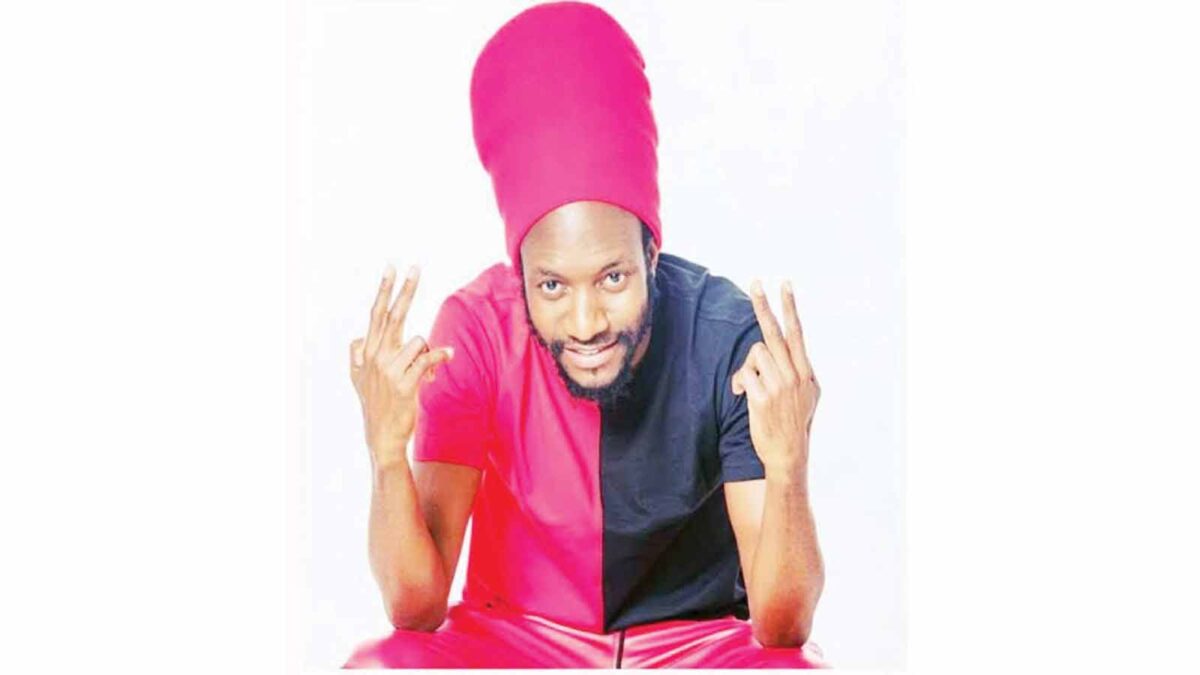
WINKY D has revealed the origins of his stage name, explained his decision to keep his personal life private and why he keeps away from engaging in social media debates.
He says avoiding debates on social media has given him more time to think and concentrate on his work as an artist.
In an interview with Nigerian publication Deeds Magazine, Winky D reflected on the evolution of Zimdancehall, the rise of younger musicians and the responsibility that comes with sustaining a long career in the industry.
He said rather than engaging in every public discussion, he prefers to use his platforms to share information about his music and messages he considers useful.
Although this approach allows people to form their own opinions about him, Winky D said he remained comfortable with keeping the focus on his work.
He also shed light on the origins of his stage name, explaining that audiences at sound clashes initially called him “Wicked Deejay”, a name that eventually evolved into Winky D.
Other monikers, including The Ninja, the Gafa and the Extra-terrestrial, emerged as his career developed.
Beyond social commentary, Winky D’s music also explores love, heartbreak and relationships.
Songs such as “Scars” and “Sorry Love” reflect the emotional struggles people encounter in their personal lives.
He also praised younger artists for bringing fresh ideas to the genre.
He has urged them to develop their own identities while remaining connected to the people and experiences that inspire their music.
The musician, who has spent more than two decades in the industry, believes every generation has something new to offer but artists must stay true to their experiences and create music that resonates with their audiences.
Winky D grew up in Kambuzuma, Harare, and has become one of the leading figures in a genre that draws from Jamaican dancehall while reflecting Zimbabwean languages, culture and everyday life.
He singled out Killer T, the late Soul Jah Love and Enzo Ishall as musicians who have contributed to the genre’s growth, each bringing a distinct style and perspective.
As recording technology, music distribution and the ways artists connect with fans continue to evolve, Winky D believes musicians must remain grounded in the realities of the communities they represent.
He also believes established artists have a responsibility to respect their audiences, reflect carefully on their messages and give emerging musicians room to develop their own identities.
Despite his longevity in the industry, Winky D said he continued to learn and explore ways to improve his craft.
“Each release and each performance asks whether I am still giving people something worthy of their time and trust,” he said.
The musician also discussed his latest album, TÊTE-À-TÊTE (HELLO AFRICA), a 16-track project that expands his musical reach beyond Zimbabwe while exploring issues affecting people across the continent.
The album features Ghanaian musician Rocky Dawuni on “Hello Africa” and Nigerian singer Patoranking on “Leadership”.
His musical journey began long before he became a household name.
As a child, he collected reggae tapes before venturing into performances at small functions and sound clashes at the age of 16.
Those formative experiences taught him that talent alone was not enough to build a lasting career.
“Reggae and dancehall offered a language for struggle, confidence, humour and celebration,” he said.
Growing up in Kambuzuma also helped him understand how music could reflect the lives of ordinary people.
He believes Zimbabwean artists have a distinct cultural perspective to bring to dancehall, drawing on local languages, humour and the challenges facing their communities.
Over the years, Zimdancehall has developed an identity of its own by blending Jamaican influences with Shona, street slang and distinctly Zimbabwean experiences.