dyton mupawaenda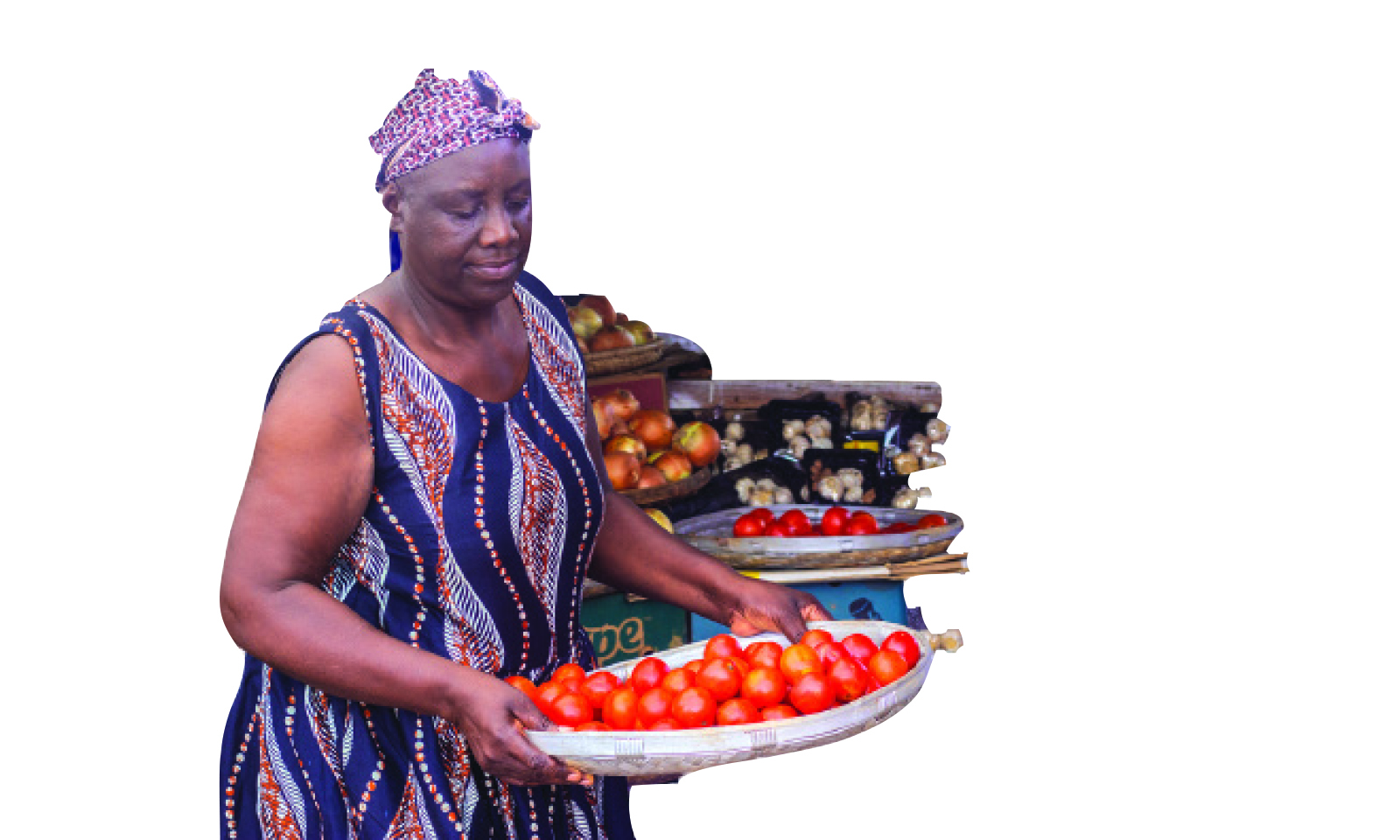
Theseus Shambare recently in CHIREDZI
IMAGINE, 22 mouths waiting to be fed!
Twenty-two lives looking up to you to be nurtured.
Such is the life of an extraordinary woman from the dusty streets of Tshovani, a high-density suburb in the sugarcane-producing town of Chiredzi.
Ndidzulafhi Moyo, a 54-year-old widow, who recently opened up to The Herald in an interview, has a heart that overflows with love.
She has dedicated her life to rescuing children from the harsh realities of the streets.
Despite her immense dedication to caring for 22 children, Ndidzulafhi remains humble as she ekes out a living as a vegetable vendor in the bustling market of Chiredzi.
“A child who is desperate on the street,” she explains, her voice weathered by years of toil. “Their eyes tell a story. A story of hunger, of fear, of a life adrift. You see the pain, the loneliness, the shattered dreams reflected in their eyes. But you also see the flicker of hope, the spark of resilience, the yearning for a better future.”
Ndidzulafhi does not just see the children; she sees their potential, their dreams, the lives that could be.
“I interview them,” she says, adding, “Try to understand their situation, their fears, their hopes. To see the child beneath the scars, beneath the grime. To see the unique individual, with their own dreams, their own talents, their own unique story waiting to be written”.
This innate empathy, born from her own profound losses, has led her to become a foster parent, a role she embraces with unwavering dedication.
Losing three out of her six biological children to the Grim Reaper has etched a deeper understanding of loss and grief onto her soul. After losing her children, she was left to raise her grandchildren single-handedly as death claimed her husband’s life last year.
“This taught me the depth of a mother’s love—the fragility of life and the desperate need for a loving hand,” she confesses, her voice thick with emotion.
“It taught me that every child deserves a chance to thrive, to dream, to simply be a child, free from the burdens that weigh down their young shoulders.”
Ndidzulafhi’s home, once a haven for a few, has transformed into a sanctuary, a veritable “children’s home” overflowing with life and laughter.
The clatter of plates, a symphony of metal against metal, echoes through her small house every evening.
Twenty-two plates, meticulously arranged on the rough-hewn wooden table, await their eager occupants. A stark reminder of the lives she nurtures, the hearts she mends, the futures she shapes.
Each plate testifies to her unwavering commitment to the children who call this humble abode their home.
Some women dump newly-born babies for different reasons. These find their way to Ndidzulafhi’s home.
The training she received as a community child care worker (CCW) under the child protection programmes spearheaded by the Ministry of Public Service, Labour and Social Welfare, in partnership with UNICEF and the Swedish government, further empowered her commitment.
“When a child is dumped, I report the case to the police and to the social welfare department. It is my duty to ensure their safety, to protect their innocence. But it is not enough,” she says.
She adds: “We need to break the cycle of poverty, of exploitation, of despair. We need to empower these children, to give them the tools and the opportunities to build a better future for themselves and their communities. We need to create a world where every child has the right to a birth certificate, to an education, to a life free from abuse.”
“If a child is picked from the streets and handed over to me after proper channels have been followed by the social welfare department, I ensure that the child gets a birth certificate or national identity card.”
Among the children she shelters are the twins, Enock and Victoria. Orphaned at a tender age, they faced a bleak future.
Enock, a beacon of resilience, took on odd jobs while still in Grade Six in the sugarcane fields, sacrificing his childhood to ensure his sister’s and his own education.
“He walked for miles,” Ndidzulafhi reflects.
“Miles to school, miles to work, carrying the weight of his family on his young shoulders. His spirit, unbroken by hardship, is an inspiration to us all. His actions even taught me that, in the face of adversity, the human spirit can soar.”
Their story, she says, touched the hearts of their teachers and soon, the school intervened. Recognising the impossible burden on these young shoulders, they sought a safe haven for the twins.
Ndidzulafhi, with her open heart and overflowing home, became their refuge. Now, the twins are blossoming, their futures no longer tethered to the harsh realities they once faced. Both Enock and Victoria, with Ndidzulafhi’s encouragement, are excelling in their studies, dreaming of becoming engineers.
Yet, as she watches the children devour their meal, a quiet worry lingers within her.
Twenty-two plates, twenty-two mouths to feed, twenty-two lives to nurture.
The weight of responsibility, the ever-growing needs of her children, often threatens to overwhelm her.
“My prayer is that when these two complete their Advanced Level studies, which I am confident that they will pass with better grades, they get enrolled at a university to further their studies.
“I want to see them realise their dreams despite the fate they befallen them at a tender age,” Ndidzulafhi says.
As the sun dips below the horizon, casting long shadows across the dusty streets of Tshovani, she sits on her porch, the laughter of children fading into the distance.
Ndidzulafhi looks up at the star-studded sky, a silent prayer for the future, for the children in her care, for a world where every child can reach for their dreams, where every child can find their place under the sun.
Feedback:X@TheseusShambare


 Online Reporter