Flora Fadzai Sibanda, [email protected]
TISSUE paper is one of the most widely used everyday products, found in homes, offices, schools and businesses across Zimbabwe. Yet despite the industry producing millions of rolls every day, manufacturing remains a sector largely dominated by men.
One Bulawayo entrepreneur is hoping to challenge that trend while building a business that addresses a growing environmental and public health concern.
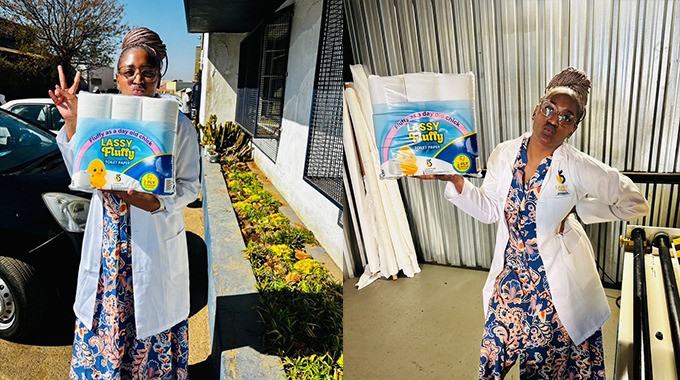
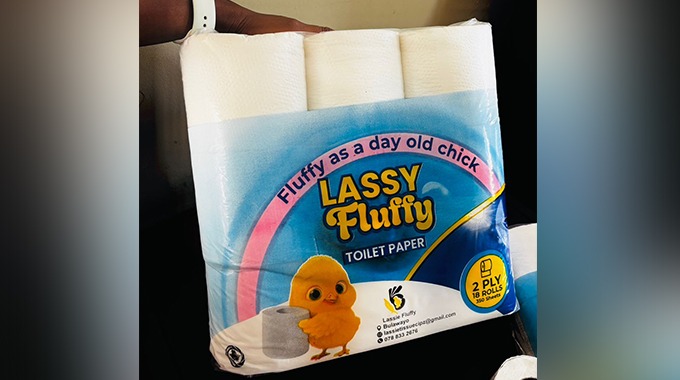
Three months ago, Itumeleng Scelo Mpala launched her own tissue manufacturing company in Bulawayo. Although still in its early stages, the business is already producing about 10 000 tissue rolls a day and has ambitious plans to expand into major retail outlets across the country.
For Mpala, the decision to enter the industry was driven by more than just business opportunities. She wanted to produce tissue products that are kinder to the city’s sewer system at a time when Bulawayo continues to face recurring sewer blockages.
“I started my tissue brand after identifying a major challenge affecting our city. Bulawayo experiences frequent sewer blockages, and one of the contributing factors is the use of tissue products that are not sewer-friendly,” she said.
Currently, the company produces tissue products on order as it steadily builds its customer base and establishes its brand in the market.
“For now, we are producing according to customer orders, but our goal is to begin supplying supermarkets and other large buyers in the near future,” said Mpala.
The venture was funded through earnings from her other businesses, including poultry production. Those proceeds enabled her to acquire the specialised machinery needed to enter the tissue manufacturing industry.
Beyond running a profitable business, Mpala says she is passionate about creating employment opportunities for local people.
“We currently employ six people and as demand for our products grows, we hope to create many more job opportunities,” she said.
While many consumers only see the finished product on shop shelves, tissue manufacturing involves a detailed production process.
“The process starts with pulping, where virgin wood pulp or recycled paper is broken down into a soft fibre mixture. The pulp is then screened and refined to remove impurities before it is whitened, dried, converted into tissue rolls and finally packaged,” she said.
To maintain quality standards, Mpala imports virgin paper from Indonesia, which is used in the production of her tissue products.
As a woman operating in a field traditionally dominated by men, Mpala says she has not faced significant gender discrimination. However, she believes female entrepreneurs often have to work harder to earn recognition and trust within the manufacturing sector.
“Like many start-ups, we have faced challenges. Introducing a new product into the market takes time and requires considerable effort, especially when you are still a new player in the industry,” said Mpala.
Despite the hurdles, she remains confident about the future of her business and believes consumers will increasingly embrace her products.
“I am excited about this journey and confident that, with continued support from customers, our brand will continue to grow,” she said.
As her company grows, Mpala hopes to carve out a place in Zimbabwe’s competitive tissue manufacturing industry while proving that women can excel in sectors traditionally dominated by men.