Chronicle Editor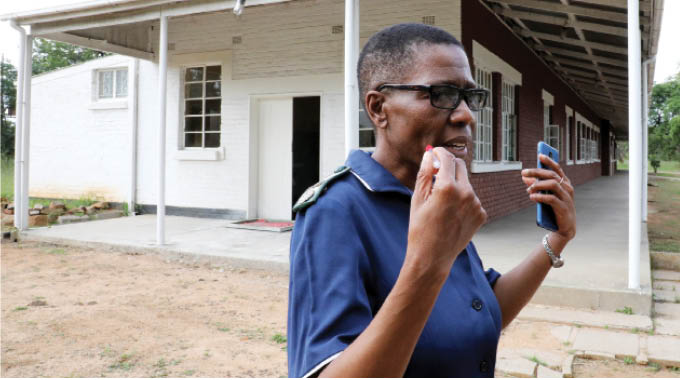
Andile Tshuma
The World Health Organisation (WHO) says two-thirds of the global health workforce is female. Even in Zimbabwe, one is most likely to be attended to by a female health staffer first, at any healthcare facility countrywide. Start there, then think through the rest of the potential consequences for women at a time when Covid-19 is raging.
The vulnerability goes beyond the healthcare givers as women and children in self-isolation or in quarantine are also vulnerable to domestic violence. Not all homes are safe, and enforced periods of isolation in the home will put many women at risk. Domestic violence is an indirect impact of coronavirus and more likely in stressed and at-risk households.
The Covid-19 outbreak has revealed the strengths and weaknesses in our collective global and national capacities to respond to this health emergency. In our societies, everything is gendered, so is Covid-19. Due to gender roles and employment patterns, the pandemic will affect the two sexes differently.

While statistics show that more men globally have been killed by coronavirus, studies further show that most deaths have been due to pre-existing medical conditions such as cancer related to smoking, respiratory diseases and cardiovascular diseases, among others.
The deaths are also more concentrated in the age range of senior citizens, linked to hypertension diabetes and other ailments.
The mortality rate of Covid-19 currently stands at 10 percent calculated from the 88 000 cases with outcome, with over 10 000 deaths reported from a total of 247 000 cases. As at March 5, the death rate for males stood at 4,7 percent of confirmed cases with females at 2,8 percent.
For younger generations, women are more susceptible, especially for the health workforce and primary care givers.
Four doctors are reported to have been killed so far by the virus in Italy, with 13 health care workers having been killed in China by both the virus and exhaustion. Out of a total infected workforce of 3 500, 60 percent are reported to be female. Statistics are still sketchy in the death rate between males and females, but with 75 percent of the healthcare workforce being female, it’s clear that the gender is indeed vulnerable.
During a Bulawayo hospitals tour organised by the Parliamentary Portfolio Committee on Health, the Acting Director of the Bulawayo City Council Health Services Department Mr Charles Malaba made sobering revelations saying the city’s and Southern region’s only infectious diseases hospital can only accommodate comfortably, 17 patients at its isolation ward, and up to a maximum of 30 patients with a little squeeze.
This means the Ministry of Health and partners should work day and night now, to ensure that the matter is dealt with as an emergency so that Bulawayo can be ready for a potential outbreak.
Government has so far done well in capacity building for health staff through trainings, as training is currently ongoing for Covid-19 in Kadoma. However, more still needs to be done.

During the hospitals tour, there were opportunities to interact with some city health staffers on a more personal note.
They are more than just nurses, ward managers, attendants, matrons, sisters. They are mums, daughters, aunts, and they have siblings.
As the coronavirus continues to spread globally, some health-care professionals and experts have growing concerns about how the virus could disproportionately impact women.
At home, even at hospitals, women are the primary care givers and should someone fall sick, it is always the female figure in many instances who gives primary care.
When a child is sick in the home, a mother is the first port of call. When a husband is ill, it is often the wife who renders first care. Ironically, when the woman in the family is a little bit under the weather in many cases, she takes care of herself, unless it is really bad.
Globally, women are overwhelmingly the primary caretakers in their families. This means that many women in health care are balancing a demanding work life and home life.
These women in health-care professions also have the responsibility to take care of parents, who are older, and school-aged children.
Women comprise the majority of health and social care workers, and are on the front lines of the fight against Covid-19. Women already do three-times as much unpaid care work than men — and caring for relatives with the virus adds to the burden.
As health systems become stretched, many people with Covid-19 will need to be cared for at home, adding to women’s overall burden, as well as putting them at greater risk of becoming infected.
Imagine our Thorngrove isolation ward, which can house only 17 patients comfortably, and 30 with a little squeezing but being the maximum. In the event of an outbreak, many people will need to be taken care of at home.
The shutdown of childcare centres and schools across the country will leave many working parents with little choice but to take time off, or to try to work from home while caring for their children. This also means that the mother is likely to be the one more affected, due to the gender roles that society assigns to the sexes.
In China, at least 3 300 health-care workers have gotten the virus and 13 have died, according to Chinese health authorities in early March.
Zimbabwe should learn from this to ensure that nobody dies in line of duty. Our healthcare staff must be protected at all times because when they leave their duty stations they go home, where they are equally needed, if not more.
During my visit to Thorngrove, I spoke to Sister Nomazulu Dhlodhlo a staffer at the infectious diseases hospital. She took us through the isolation ward and spoke with a smile and confidence throughout the tour. On Thursday, she took the parliamentary portfolio committee on tour at the hospital, with the same smile that shows resilience.

Knowing what is at stake and the virus that looms, it is people like Sister Dhlodhlo who need to be celebrated. She is one of the people who are in the line of duty and are the first port of call when there is disaster.
Yes, we have the doctors, the ministry officials and everybody else. However, these people that will work directly with the patient with the disease are the people that we must all show our love to. The same love and support and prayers should go to the men too. But because March is Women’s Month, special mention must go to these wonderful women who work the crazy hours. Women in healthcare, we salute you.
And to all the women who are our primary care givers at home, you are awesome and you are the heroes. And to the fathers, the brothers, the uncles, all doing their part in care giving, your heroic works are noticed. Keep shining.
Meanwhile, enough protective gear must be availed for our health staff because nobody must fall sick while administering treatment and care to a patient. It is unacceptable. — @andile_tshuma



 Online Reporter