Online Reporter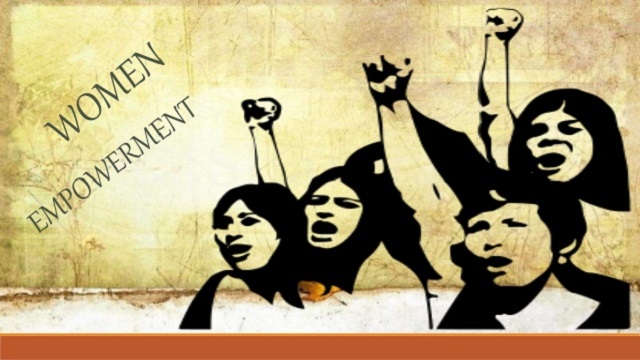
Sidumisile Mabena
Increasingly, women across the globe are stepping into leadership roles in business, politics and other previously male-dominated professions, shattering the long-standing glass ceiling.
Zimbabwe is no exception, with many remarkable women making significant strides in these different professions—yet their creativity, talent, and hard work often go unrecognised.
In a landscape traditionally dominated by men, these women juggle the demanding roles of motherhood and their various industries, all while confronting entrenched patriarchal norms.
For women in rural Zimbabwe, the challenges are twofold.
Not only must they navigate the political or business arena, but they also face societal expectations that often limit their participation.
Yet, many continue to rise, becoming vital voices in their communities and driving change from the grassroots level.
Women making big strides in Zimbabwean business span diverse sectors, from tech and finance to manufacturing and agriculture, including figures like Elizabeth Tanya Masiyiwa (CEO of Akello and Delta Philanthropies) and travel entrepreneur Zodwa Mkandla.
While many female entrepreneurs excel at the small and micro business level, there are ongoing efforts by groups like the Women Owned Business Trust (WOBT) and the Lionesses of Africa to empower them with access to markets and finance, fostering growth and a stronger role in the national economy.
Elizabeth Tanya Masiyiwa:
A social entrepreneur and executive, she leads Delta Philanthropies UK and Akello, a tech-driven education company. She also serves on the boards of Econet Wireless Zimbabwe and EcoCash Holdings, impacting technology and finance.
Zodwa Mkandla:
The founder of Travis Travel, she built her travel company from scratch after leaving a partnership, focusing on learning from mistakes and engaging stakeholders despite challenges like currency fluctuations.
Nyengeterai Mahaka:
Founder of True Reflections and a former Head of Marketing for major companies like CIMAS and Reckit Benkiser, she represents success in the marketing and corporate sectors.
Nomsa Dube
Nomsa Dube balances her role as a mother of three with her responsibilities as a local councilor in Gokwe South.
A staunch member of Zanu-PF, she has worked tirelessly to improve access to clean water and healthcare in her ward.
Despite societal pressures that expect her to prioritize domestic duties, Nomsa remains committed to her political career, often engaging with women and youth to encourage greater participation in governance.
Queen Innocencia Gasela
Queen Innocencia Gasela was a tireless activist and a key figure in the Movement for Democratic Change – Tsvangirai (MDC-T) in Matabeleland. Known for traveling across the region to attend rallies and mobilize support, Gasela’s commitment was unwavering.
Her activism came at a high cost; she was arrested after attending a rally in Bulawayo and subsequently disappeared under unclear circumstances. Her story highlights both the risks faced by women in opposition politics and their courage in standing up for their beliefs.
Thandiwe Ncube
Thandiwe Ncube represents the Zapu in Lupane and is a vocal advocate for rural women’s rights. As a single mother, she understands the complexities of balancing family life with political activism. Thandiwe has been instrumental in organizing workshops that empower women to claim their space in political decision-making processes, challenging patriarchal attitudes that often marginalize them.
Other women who have made it in their various fields of influence include; Unaiswa Nleya, General Manager (Marketing) at Schweppes, Tracey Mutaviri, Managing Director at Lyons, Tendai Makomva, Marketing Manager at OK, Sharron Ndenda, Marketing Manager at Lobels and Sapi Bachi, Managing Director at TBWA, and former Head of Brand and Communication at Ecobank, to mention but a few.
As the world continues to evolve, Zimbabwe must not only celebrate these trailblazers but also address the structural barriers that continue to hinder women’s full political engagement. Supporting women at the grassroots is essential for building a more inclusive and representative political landscape.