Online Reporter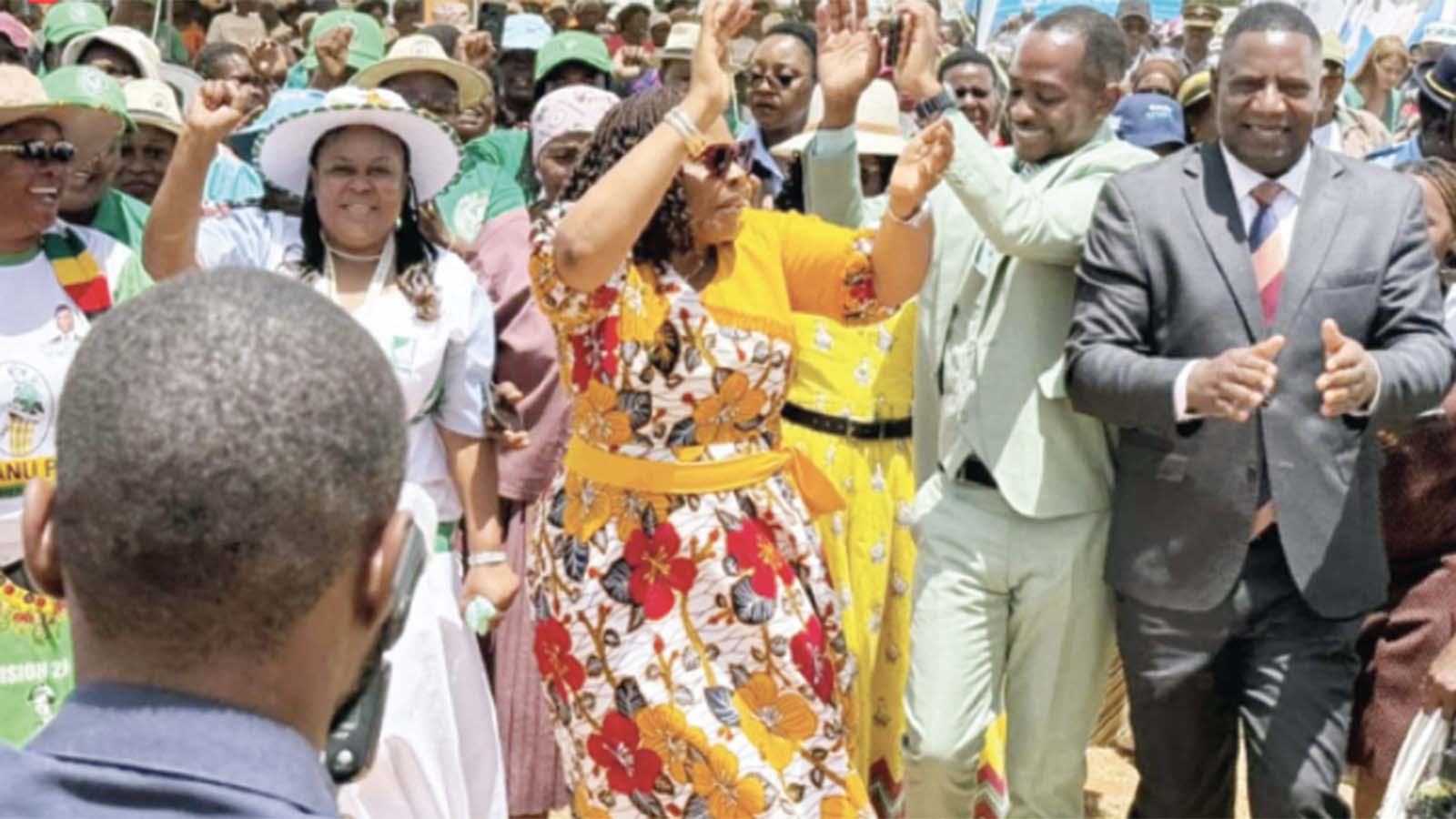
Fungai Lupande
Mashonaland Central Bureau
FOR Rashiwe Katurura of Museredza village in Ward 27, Muzarabani, what were once overlooked wild fruits – masau and baobab – have become a source of livelihood and dignity.
Katurura is part of a 10-member women’s group supported by the Ministry of Women, Community, Small and Medium Enterprises Development through ward coordinators.
The group is adding value to locally available natural resources, processing masau and baobab fruits into jam, turning baobab powder into freezits, and roasting the seeds into natural coffee.
“The project has changed our lives and those of our families,” she said.
“We are utilising natural resources within our reach to improve our lives.”
Her story was among several moving testimonies shared during the national launch of the 2026 International Women’s Day commemorations, held in Mashonaland Central under the theme “Rights, Justice and Action for All Women and Girls” on Wednesday.
For Olivia Nyangasi of Mazowe, intervention came at her darkest hour. A survivor of gender-based violence, Nyangasi said she was once on the verge of taking her own life before finding support through women’s empowerment programmes facilitated by the ministry.
“Through sharing my experiences with others, I was trained to make detergents,” she said.
“Today I am economically empowered. I encourage other women to open up about their problems and venture into business.”
Runyararo Matsika, a teacher living with a disability, said joining a women’s movement transformed her sense of belonging and purpose.
“They groom women regardless of physical appearance or social status,” she said.
“I started with a tuck shop; now I own a shop. I was also trained as a trainer in climate change. Climate change is now a way of life, and we need to adapt. As women, we are capable.”
In Shamva, Sharleen Manokore is making strides in the manufacturing sector after benefitting from training and financial support facilitated through the ministry and the Small and Medium Enterprises Development Corporation (SMEDCO). Now, a butchery and canteen owner who makes sausages, Manokore said access to finance and business management training changed her trajectory.
“I started producing 100 kilogrammes of sausages and increased capacity to 250 kilogrammes. I now supply various outlets and have employed four people,” she said.
“After realising that the province lacks a sausage manufacturing plant, I approached SMEDCO with my idea. I am now in the process of opening a sausage processing plant.”
POSB public relations officer Mr David Makacha reaffirmed the institution’s commitment to advancing economic justice for women through improved access to finance, describing financial inclusion as a cornerstone of sustainable development.
Speaking at the commemorations, Mr Makacha – who was representing chief executive Mr Garainashe Changunda – said the day was not only a celebration of women’s achievements but also a call for accountability and tangible progress.
He emphasised that economic justice demands that every individual, regardless of gender, has a fair opportunity to participate in and benefit from the economy, with access to finance being central to that goal.
“Without access to savings, credit, insurance and investment opportunities, meaningful economic participation remains constrained,” he said.
Mr Makacha noted that although women constitute about 52 percent of the population, they remain the most financially excluded gender locally and globally, despite their critical roles in running small and medium enterprises, farming, sustaining livelihoods and supporting families through unpaid care work.
He said systemic barriers such as lack of collateral, limited financial literacy, restrictive social hierarchies and financial products that do not fully respond to women’s realities continue to hinder access to formal financial services.
“The consequences of exclusion are clear: women’s businesses remain undercapitalised, growth opportunities are minimised and their ability to build generational wealth is limited,” he said.
Mr Makacha emphasised that evidence shows that when women gain access to financial resources, the benefits extend beyond individuals to households and communities, as women tend to reinvest income in education, health care and nutrition.
“Empowering women economically strengthens households and drives national growth.
“This is not just a woman’s issue; it is a matter of justice,” he said.
United Nations Resident Coordinator in Zimbabwe Ms Loveness Makonese said women and girls must fully benefit from existing laws and opportunities.
“Women are enjoying only about 64 percent of legal and property rights, job opportunities and business access compared to men,” she said.
“We cannot achieve the 2030 Agenda for Sustainable Development without addressing equality between women and men.”
Ms Makonese commended Zimbabwe for advancing gender-responsive policies through the ministry and called for equal access to land, finance and justice systems.
“There is no culture that promotes child marriages or gender-based violence. We must dismantle structural barriers to justice, including discriminatory laws and harmful practices,” she said. She added that male engagement was critical in advancing gender equality.
The Zimbabwe Gender Commission reported that it had received more than 11 000 gender-related violence cases since 2015 and continues to strengthen protection mechanisms.
The commission’s interventions have contributed to key legal reforms, including amendments to the Criminal Law (Codification and Reform) Act, which introduced mandatory sentencing for rape and criminalised sexual harassment.
As Zimbabwe commemorates International Women’s Day 2026, the testimonies from across Mashonaland Central stand as living proof that when women gain access to finance, training and supportive networks, they do not only transform their own lives but also uplift families, communities and the nation at large.