Online Reporter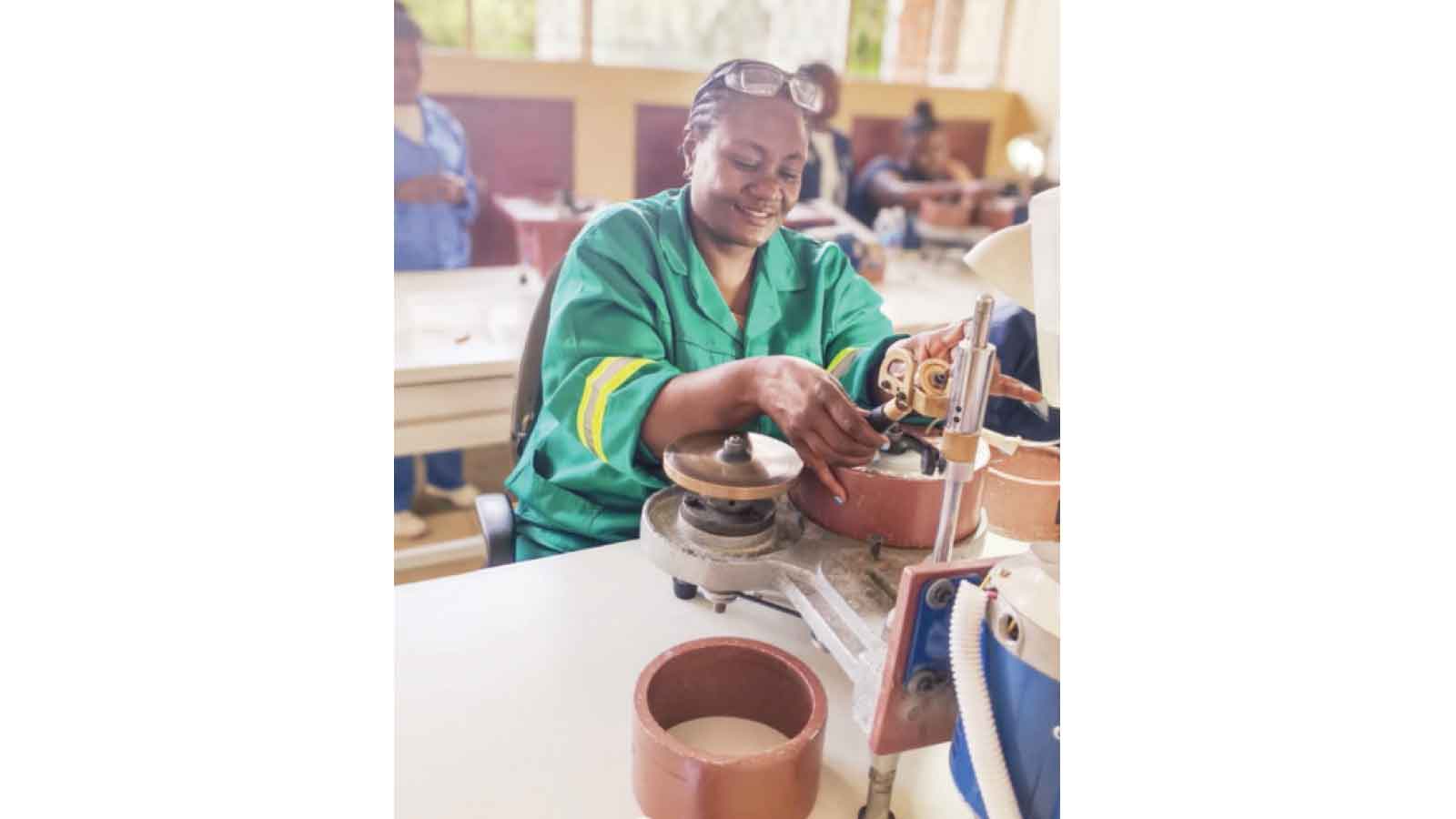
Conrad Mupesa-Mashonaland West Bureau
For decades, Hurungwe has been the backbone of the country’s tobacco industry, contributing an estimated 33 percent of national output.
Tobacco remains one of the nation’s top foreign currency earners, generating more than US$1 billion annually.
Amid this success, another promising transformation is unfolding beneath the district’s soil.
While many women still depend on tobacco farming, a growing number are now turning to gemstone mining, extracting stones that shimmer in various shades.
Hurungwe is rich in semi-precious stones such as aquamarine, amethyst, garnet and tourmaline, found in areas including Kazangarare, Chitindiva, Kabidza and Chief Dandawa.
Across Zimbabwe, gemstone mining remains largely artisanal, but holds significant potential. Mining, overall, contributes between 12 percent and 15 percent of the country’s Gross Domestic Product and accounts for over 60 percent of export earnings.
Although gemstones represent a smaller portion of export earnings compared to gold and platinum, this subsector is expanding, particularly in value addition.
Women are increasingly playing a vital role in this growth, constituting an estimated 15 to 20 percent of the country’s artisanal and small-scale mining workforce, with increasing participation in gemstone extraction, sorting, cutting and polishing.
Government and industry stakeholders are pushing for enhanced value addition to ensure the country exports finished products rather than raw stones. Institutions such as the Zimbabwe School of Mines and the Minerals Marketing Corporation of Zimbabwe are equipping miners with skills in gemstone identification, cutting, polishing and jewellery design.
This empowerment allows communities to ascend the value chain.
In Hurungwe, hundreds of women, some formally registered and others operating informally, now earn a living from gemstones. For many, mining has evolved from a mere survival strategy into a pathway towards economic independence.
Among those shaping this new narrative is Ms Ruvimbo Kadenhe, a gemstone miner based in Karoi.
She holds a Bachelor of Science Honours Degree in Media and Society Studies from Midlands State University, but chose to step out of the newsroom into mining.
Ms Kadenhe later obtained certificates in Entrepreneurial Gemstone Valuation and Polishing, as well as Introduction to Gemology, honing her expertise in cutting and value addition.
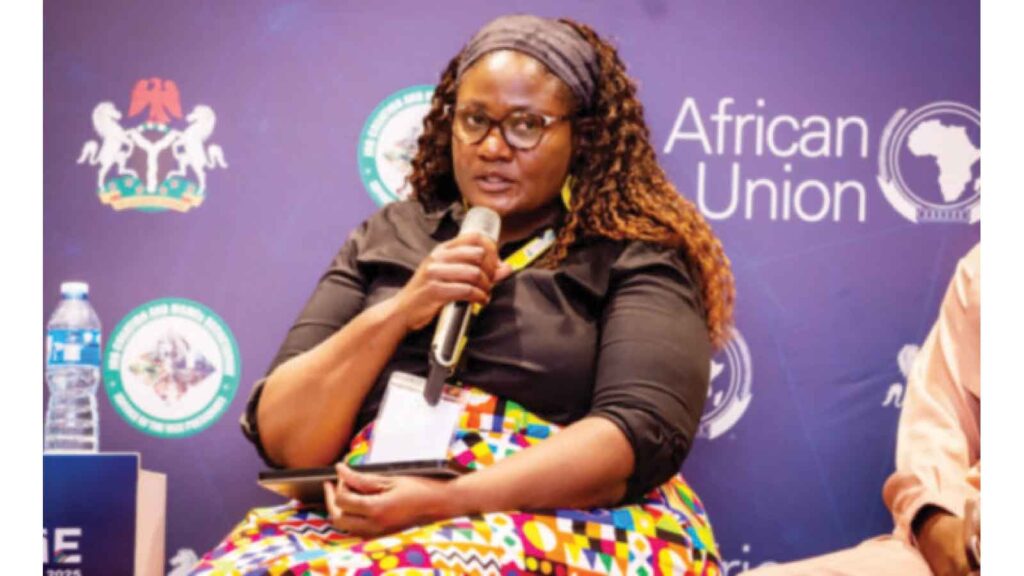
Ms Ruvimbo Kadenhe
Her vision extends beyond mere extraction. She founded RUNE Africa Logistics Pvt Ltd, a female-owned enterprise focused on gemstone mining and value addition through arts and crafts. Self-taught in gemstone artistry, Ms Kadenhe transforms raw stones into affordable jewellery pieces that reflect Hurungwe’s heritage and culture.
Her enterprise gained recognition as one of the Top 50 Micro Small to Medium Enterprises under the African Union Fellowship Enterprise Africa Network, opening doors to intra-African trade partnerships. Ms Kadenhe’s journey has taken her beyond Zimbabwe’s borders to events like the African Gem, Jewellery Exhibition and Conference held in Ndola, Zambia, and Lagos, Nigeria.
These platforms, organised under the African Minerals Development Centre, showcase expertise in gemstone cutting and polishing across the continent.
“The exhibitions opened my eyes to the power of value addition,” she said.
“Africa has stones, but we must also have skills. When we polish and design locally, we multiply the value and empower our communities.”
Beyond her business endeavours, Ms Kadenhe serves as the First Secretary of the Women in Gemstones Association of Zimbabwe.
She previously mobilised female miners in Mashonaland West under the Zimbabwe Association of Women in Mining Associations, supporting marginalised women in formally registering their mining operations and securing economic footing.
As a climate change trainer, paralegal and environmental human rights defender, she advocates for women, youth and persons with disabilities in Hurungwe— balancing economic opportunity with environmental sustainability.
“I was recognised continentally in 2024 when I was named one of the 12 Afrocrats at the Lithium-Ion Afro-Hackathon in Windhoek, Namibia,” she said, describing the honour as a milestone in her journey in Africa’s mineral development discourse.
Ms Kadenhe is not alone.
In the Chisape area under Magunje, there are Ms Fiona Gaadza and Angela Matekenya from Nyamakate, who share similar stories of transformation.
They have risen from modest beginnings in artisanal mining to build stable livelihoods through gemstone extraction and trade.
Today, they support their families and create opportunities for other women, proving that gemstones can rival tobacco as a dependable source of income.
Officials from the Ministry of Mines and Mining Development acknowledge the growing presence of women in the sector.
The ministry’s policy emphasises formalisation, access to technical training and ensuring women benefit equitably from mineral resources while promoting environmentally responsible practices.
Through its Department of Gender Mainstreaming, the ministry aims to create an inclusive mining industry where both men and women contribute equally to national development.
The department’s director, Ms Sandra Mudzengerere, says the Government is committed to eradicating gender discrimination through inclusive policies and empowerment initiatives.
“We are funding several women empowerment projects and providing support for victims of gender-based violence,” she said.
As Zimbabwe encourages its citizens to drive national development through innovation and enterprise, Hurungwe’s women are demonstrating that transformation can begin beneath one’s feet. Tobacco may still dominate the district’s economy, but gemstones are steadily emerging as a complementary—and potentially more sustainable—economic frontier.
This shift offers Hurungwe not only a new source of income, but also a chance to redefine its future.