Raymond Jaravaza in Lupane
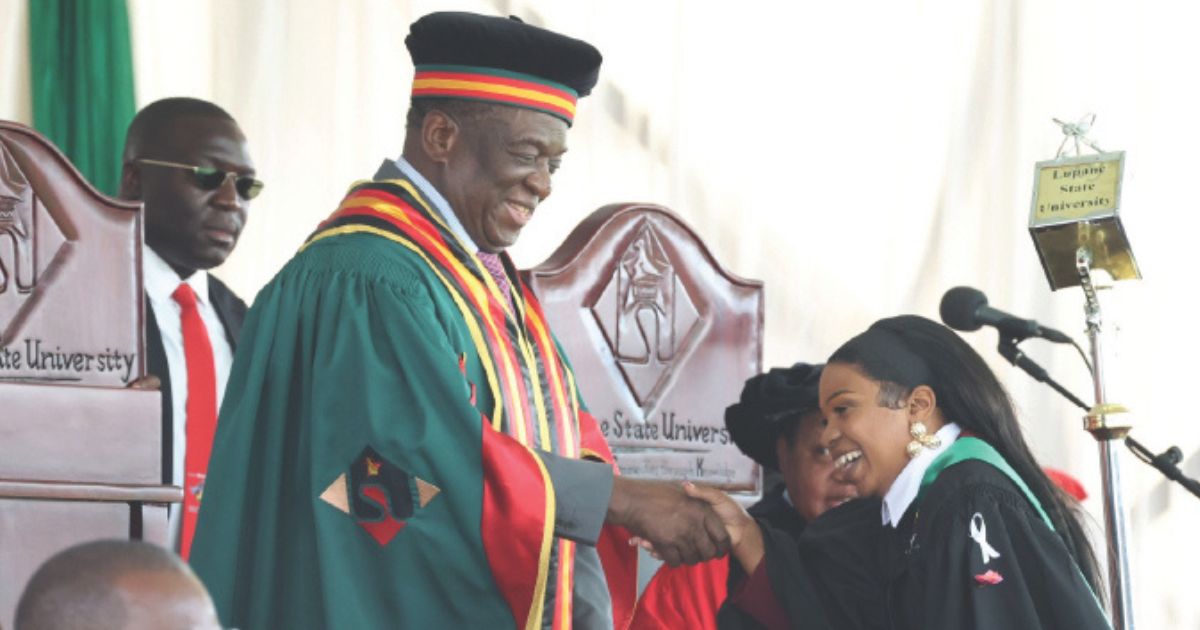
WOMEN outperformed their male counterparts at Lupane State University’s 17th graduation ceremony, accounting for 645 of the 1 153 graduates, a development President Mnangagwa says reflects Government’s commitment to inclusive education.
In a congratulatory message posted on his X account following the graduation ceremony, President Mnangagwa celebrated the achievements of the Class of 2026, highlighting the strong representation of women among the graduates.

“Today, it was my distinct honour and privilege to preside over the 17th graduation ceremony of Lupane State University, where I have capped 1,153 exceptional graduates as they step into the next chapter of their lives.
“This year’s graduating class beautifully reflects our commitment to inclusive education, comprising 645 dedicated women and 508 outstanding men who have earned their diplomas and degrees through hard work, resilience, and academic excellence,” he said.
The President said the graduates had an important responsibility to contribute to national development through innovation, enterprise and the implementation of the country’s development vision.
“As you graduate today, remember that you are the drivers of our nation’s development, innovation, and vision for the future. Go out there, make us proud, and contribute to building the Zimbabwe we all want. Congratulations, Makorokoto, Amhlophe!” he added.

The ceremony was held under the theme, “Knowledge, Innovation and Industrialisation in Action: Empowering Graduates to Build a Prosperous Zimbabwe”, reflecting the institution’s commitment to Government’s drive to modernise the economy through research, innovation, entrepreneurship and industrial development.
President Mnangagwa, who is Chancellor of all State universities, conferred qualifications ranging from diplomas and undergraduate degrees to master’s degrees and a Doctor of Philosophy across various faculties.
Speaking at the ceremony, Lupane State University Vice-Chancellor Professor Pardon Kuipa said the graduation marked a significant milestone in the institution’s 21-year history, which began with an inaugural intake of just 12 students.
He said Government, through the Ministry of Higher and Tertiary Education, Innovation, Science and Technology Development, had allocated the university more than US$1 053 000 through the Zimbabwe Manpower Development Fund (ZIMDEF), significantly advancing construction of its Technovation Centre.
“Our parent Ministry allocated the university over US$1 053 000 in ZIMDEF, and that financial support has significantly advanced the construction of our Technovation Centre.
“However, in order to ensure the swift relocation of our students and staff from Bulawayo, we respectfully appeal for continued financial support to bring this project to completion,” said Prof Kuipa.
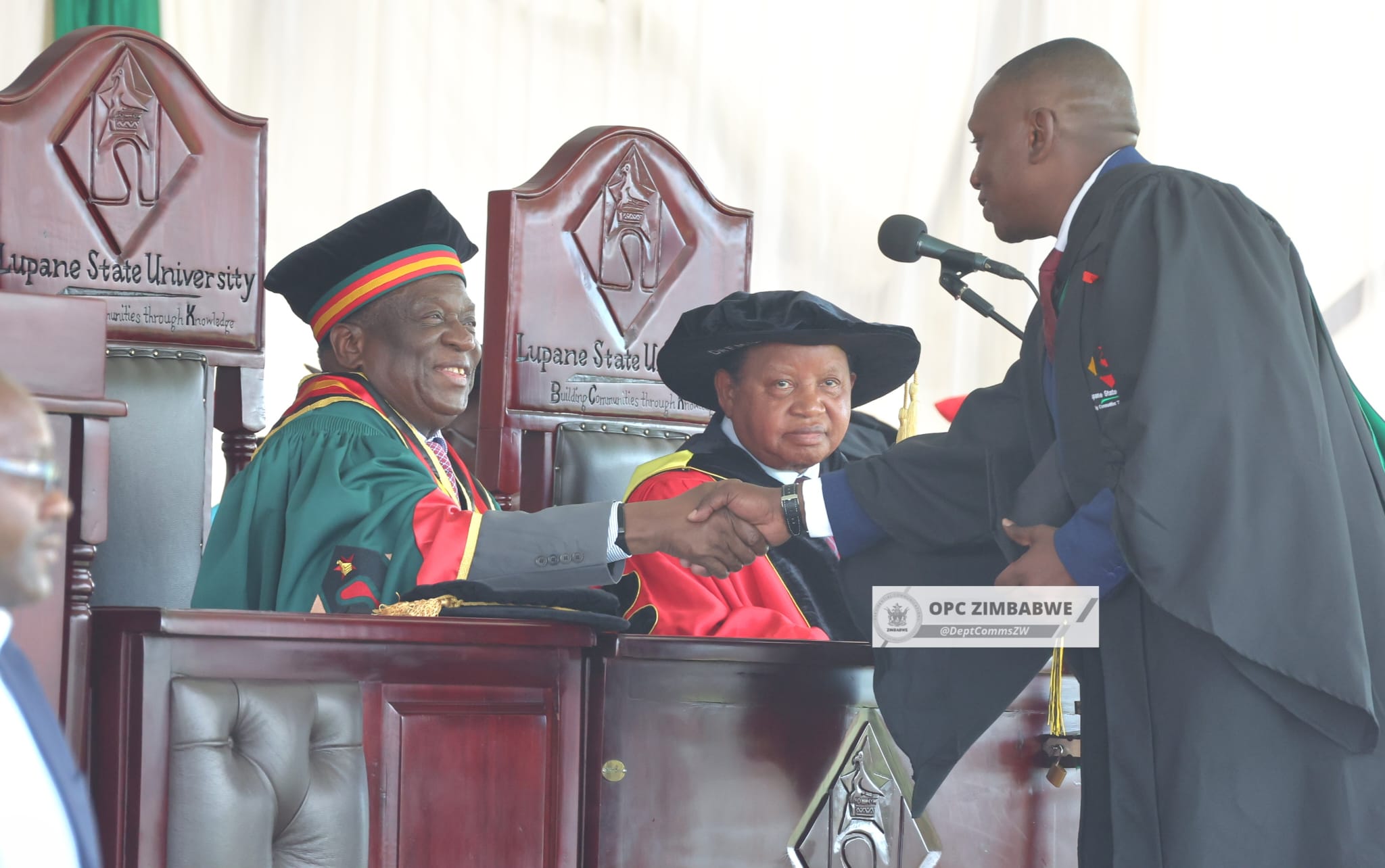
He said 421 graduates had attained postgraduate qualifications, while 708 completed undergraduate programmes, including 54 who obtained first-class degrees. The remaining 23 graduates received various university diplomas.
Prof Kuipa also highlighted the university’s contribution to Zimbabwe’s growing international standing, congratulating President Mnangagwa on the country’s election as a non-permanent member of the United Nations Security Council for the 2027–2028 term.
He said the achievement demonstrated international confidence in Zimbabwe’s diplomatic engagement and re-engagement efforts, while strengthening the country’s voice in advancing the interests of the Global South.
The Vice-Chancellor also cited Zimbabwe’s removal from the World Bank Group’s list of fragile and conflict-affected countries on 1 July 2026 as recognition of the country’s economic reforms, institutional strengthening and growing resilience.

He said the development sent a positive signal to international investors, development partners and multinational corporations, helping to improve perceptions of the country’s investment climate.
Turning to institutional governance, Prof Kuipa said the university had strengthened its leadership structures through the appointment of a new University Council chaired by Mrs Brigid Kachere.
“Allow me to extend my warmest congratulations to Mrs Brigid Kachere on her appointment as Chairperson of the University Council. We place absolute confidence in her leadership, wisdom, and deep experience to guide the university into its next chapter of development.
“We look forward to collaborating closely with her and the newly constituted Council to advance our strategic priorities and sustain our institutional momentum,” he said.
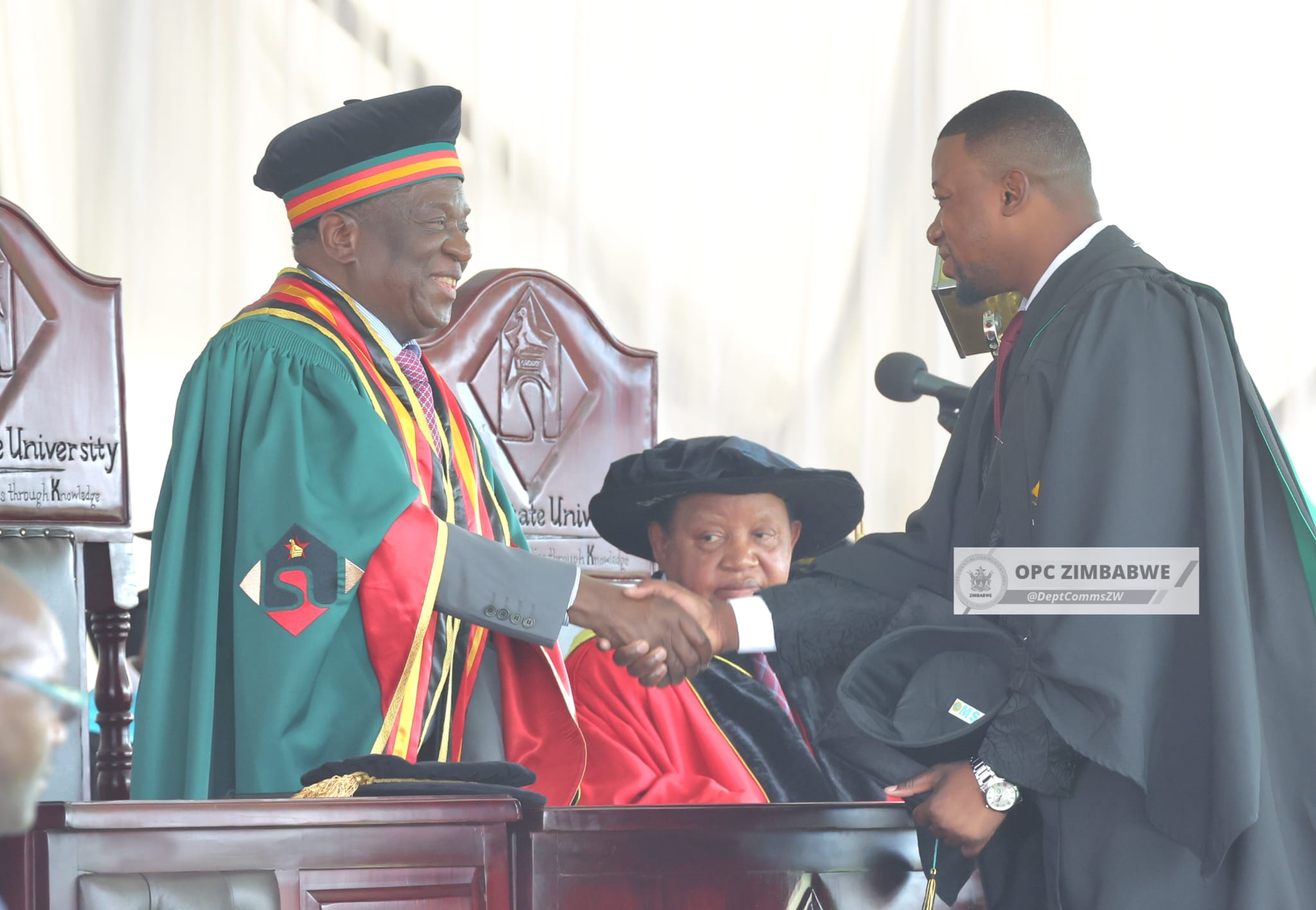
The graduation also saw the first cohort of students from the Bachelor of Science Honours in Production Engineering, Master of Science in One Health, Master of Science in Supply Chain
Management and Master of Science in Food Safety and Port Health programmes receiving their qualifications.
Prof Kuipa thanked President Mnangagwa for supporting State universities through the Dr Emmerson Dambudzo Mnangagwa Chancellor’s Awards, which had US$4 000 allocated for this year’s graduation ceremony.
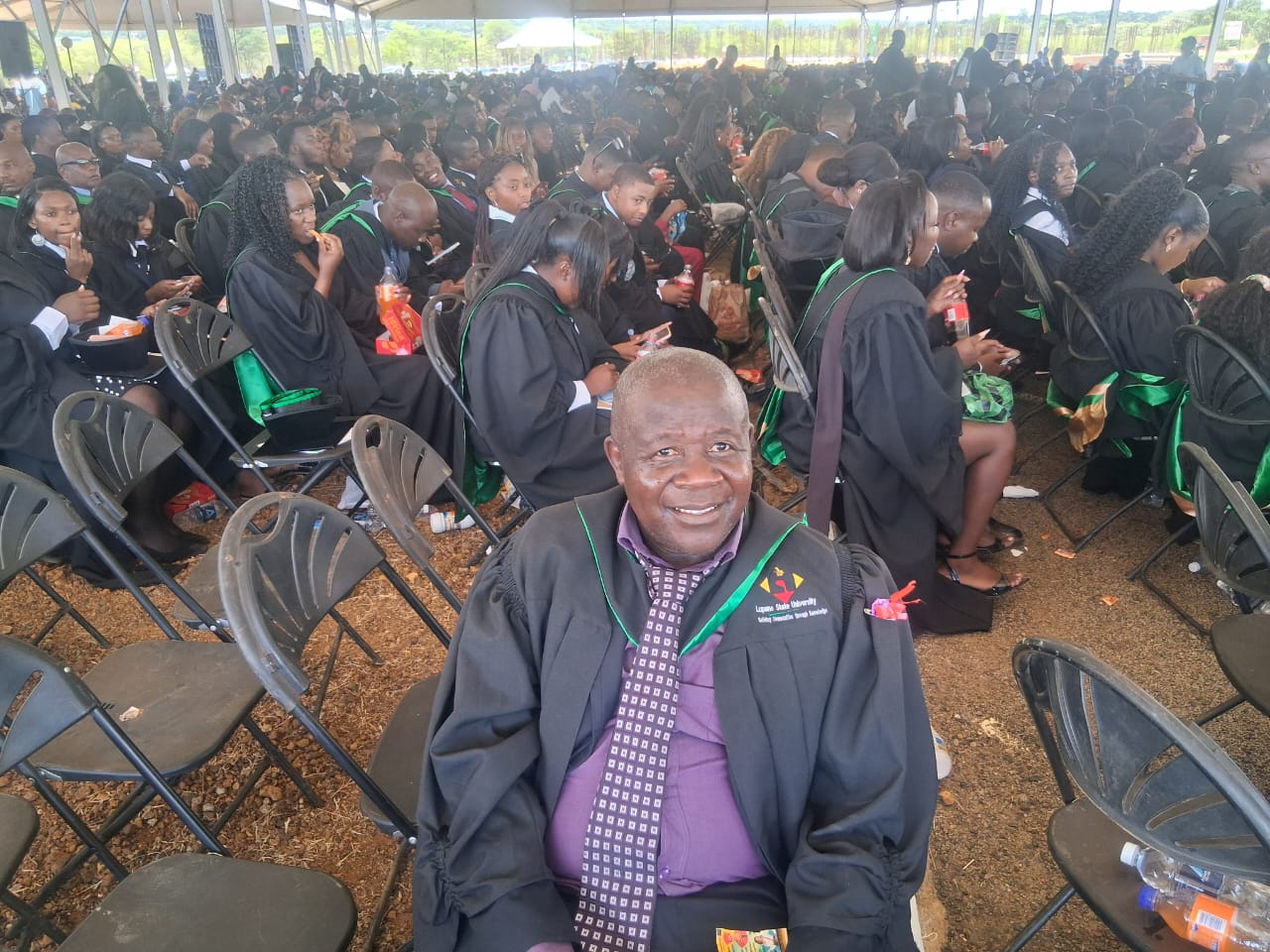
“The Lupane State University community would like to salute you for your involvement and investment in our vision, our intellectual rigour and practical hands-on approach. Thank you for believing in all that we are doing to drive change and make a difference in the communities around us,” he said.
The ceremony also honoured two students posthumously following their deaths before graduation.
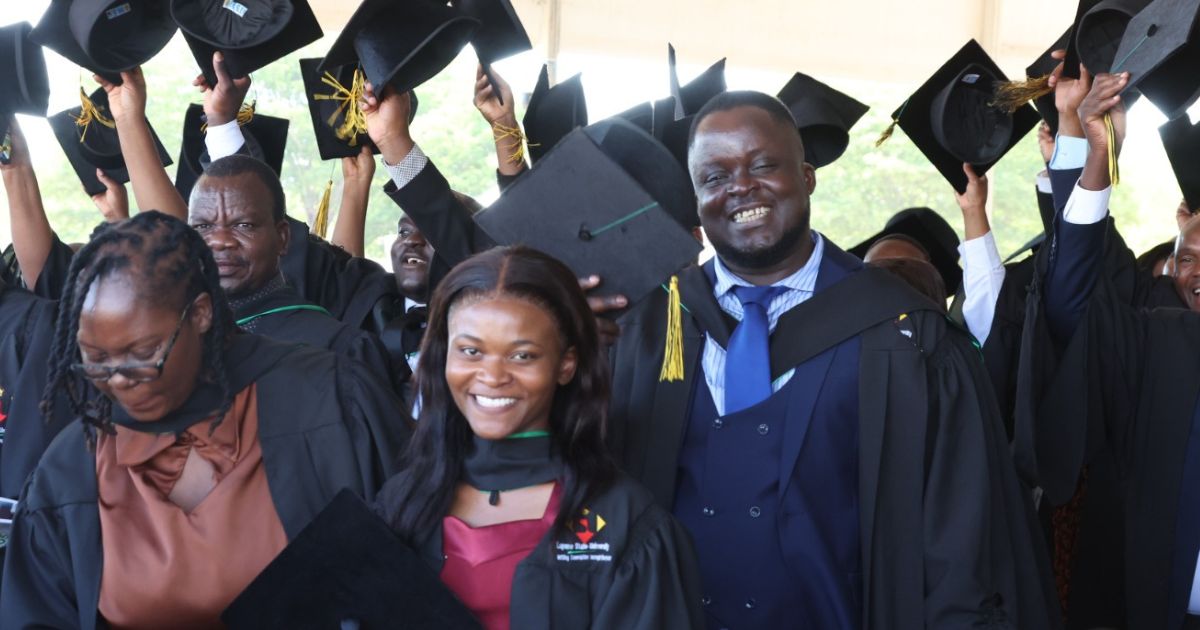
Vumindaba Phangwana was posthumously awarded a Master of Science in Climate Change and Sustainable Development while Cornelias Moyo received a Bachelor of Science in Human Resources Management.
Six graduates received the Dr Emmerson Dambudzo Mnangagwa Chancellor’s Awards in recognition of their academic excellence and outstanding contributions.
Vitalis Chigwida, who graduated with a First Class Bachelor of Agricultural Sciences Honours in Animal Science and Rangeland Management, received US$1 000.
Nozithelo Nyoni, a Bachelor of Agricultural Sciences Honours in Crop Science graduate, received US$500 for the project with the greatest community impact in the Faculty of Agricultural Sciences.
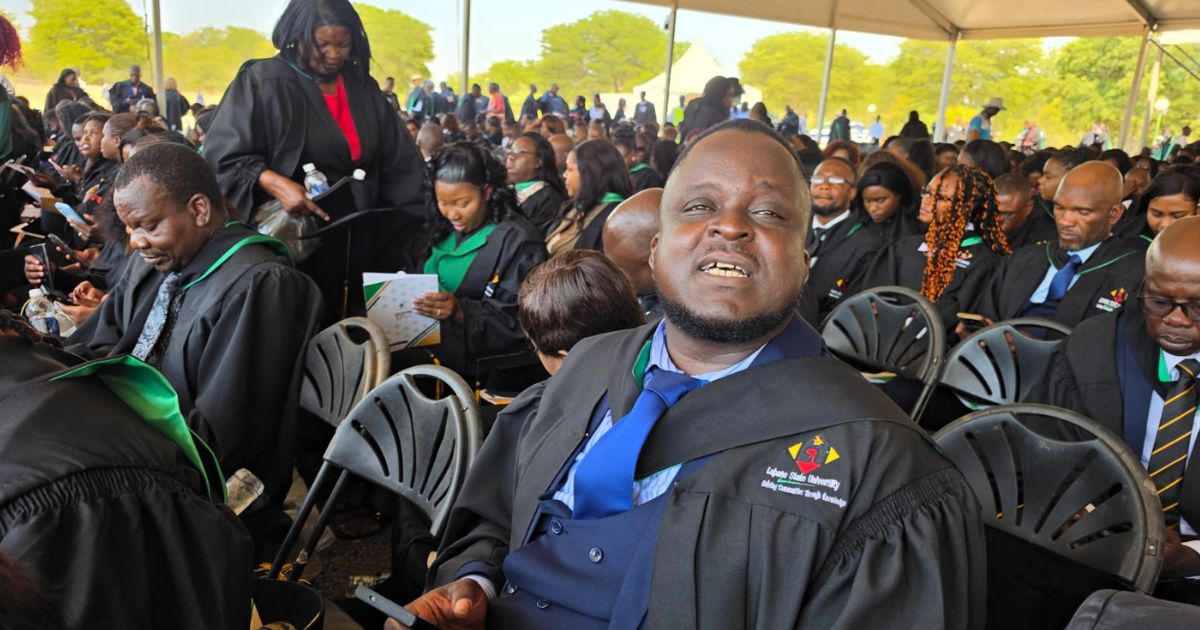
Mark Rukanda, who graduated with a Bachelor of Science Honours in Applied Biotechnology, received US$500, while Muziwanele Ncube, a Bachelor of Commerce Honours in Marketing graduate, also received US$500.
Mwarianesu Makunuka, who graduated with a Bachelor of Science Honours in Hospitality and Tourism, received US$1 000 as the overall best graduating student.
Brian Ndlovu, who graduated with a Bachelor of Science in Sociology, received the remaining US$500 award.