Online Reporter
Mbulelo Mpofu, [email protected]
AT a time when Zimbabwe is seeing more women stepping into positions of leadership, stories from the ground are becoming just as important as developments at the top. Under the Second Republic, deliberate efforts have been made to create conditions that broaden women’s participation in governance and the economy, reflected in appointments such as Zimbabwe’s first-ever female Chief Justice, Justice Elizabeth Gwaunza, and Auditor-General Vimbai Chikwenhere. These developments have placed renewed focus on women’s empowerment, not only at policy level, but in everyday life.
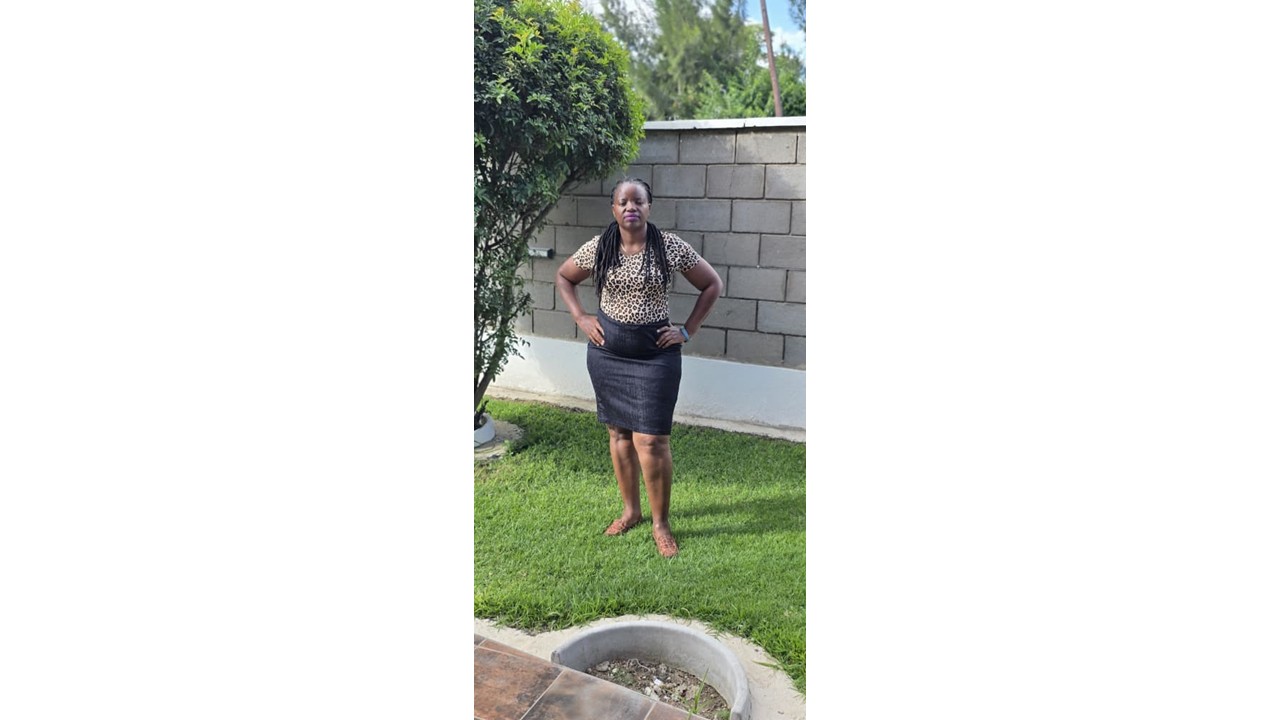
Away from national offices, it is women like Promise Moyo who are quietly demonstrating what such change can look like in practice.
In Bulawayo, Promise’s journey is one of determination, patience and belief. At 45 years old, married and a mother of three, she has built a guesthouse business from the ground up. Pro Guest House, named after her, started as an idea and has gradually developed into an enterprise that is creating jobs and contributing to the local economy.
Her dream was rooted in something simple but meaningful — a love for her city and its culture.
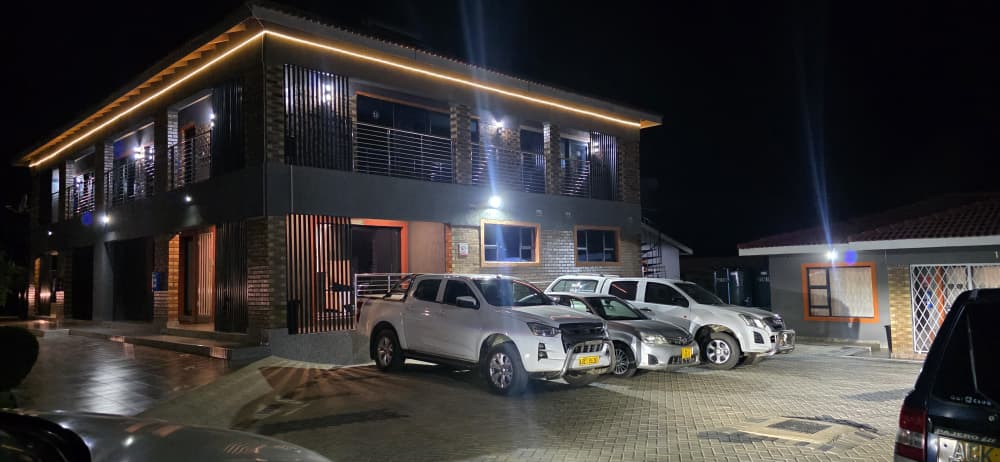
“The inspiration to establish the guesthouse arose from a deep-seated desire to showcase Bulawayo’s rich cultural heritage and renowned hospitality. I envisioned a sanctuary that blended executive comfort with an authentic local touch.”
Turning that vision into reality was not straightforward. Starting a business in Zimbabwe, particularly in the hospitality sector, comes with a range of challenges. For Promise, the early years were marked by obstacles that tested her resilience.
“Turning that vision into a 20-room business, however, was a masterclass in resilience.”
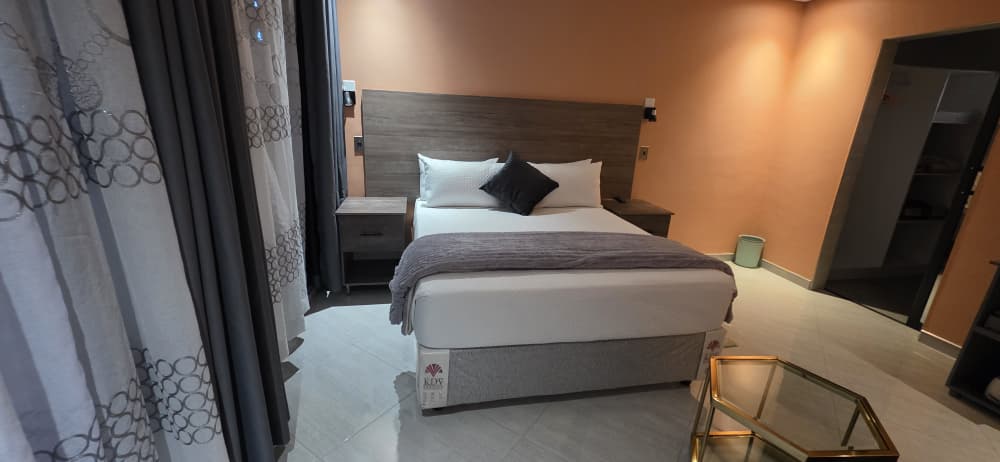
Behind this statement is a process that required persistence. She had to navigate limited capital, complex procedures and a demanding operating environment, while trying to grow the business without compromising standards. Every stage of developing the guesthouse, located in the Four Winds suburb, required effort — from sourcing materials to managing staff and maintaining service quality.
Like many small businesses, progress has been gradual rather than immediate, shaped by broader economic conditions and limited access to resources.
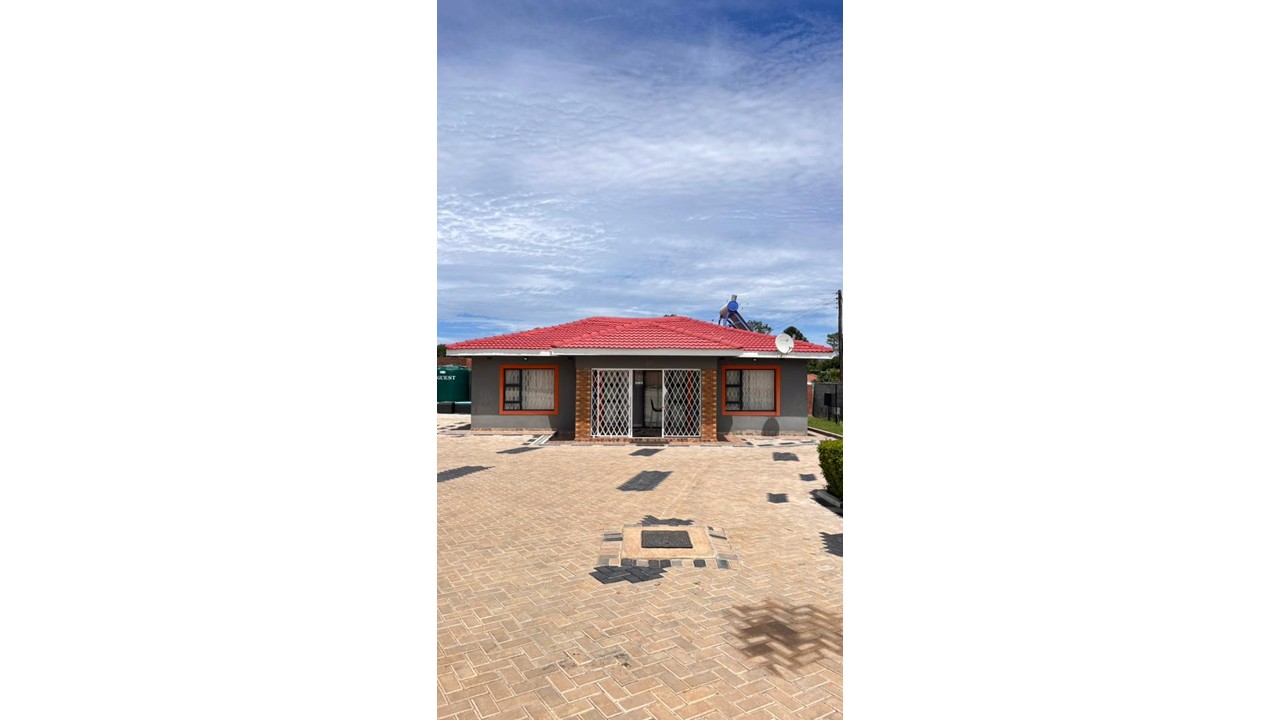
What stands out about her story is not only the business itself, but what it reflects. Her journey fits within a wider shift in Zimbabwe, where women are increasingly moving from supporting roles to more active participation in the economy.
“My journey is closely linked to the broader narrative of women’s economic emancipation in Zimbabwe. For a long time, women were seen merely as participants in the economy rather than key drivers.”
For years, many women were expected to play secondary roles in business and society. That picture is slowly changing, with more women starting businesses, employing others and taking on leadership responsibilities.
Promise’s guesthouse illustrates this trend. Beyond accommodation services, it has created some opportunities within her community. Local suppliers benefit, and workers earn income that supports their households, extending the impact beyond the business itself.
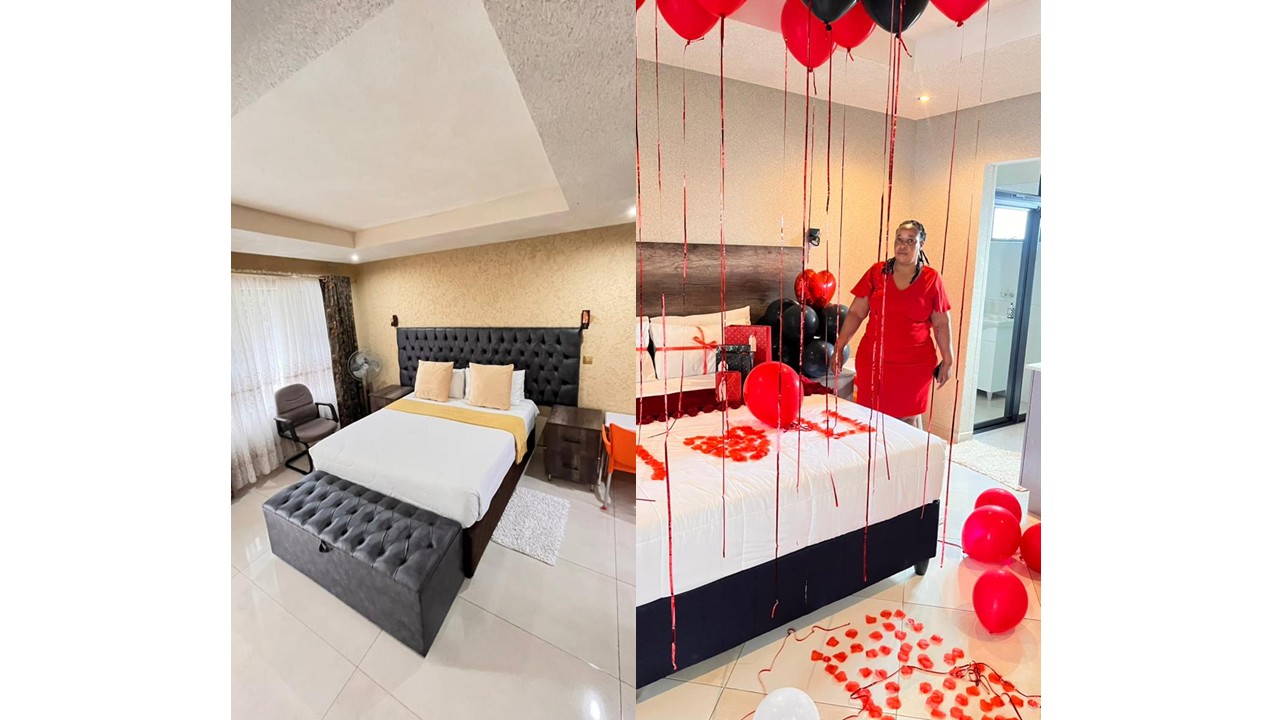
Running a business in Zimbabwe also requires constant adjustment. The economic environment can be unpredictable, and long-term survival often depends on careful decisions and flexibility.
“Navigating an evolving economic landscape requires a dual focus on operational agility and delivering real value.”
For Promise, this has meant adapting her approach where necessary. She has worked to attract different types of clients, including business travellers and tourists, while also using digital platforms to reach a wider market. Managing costs has remained an important part of keeping the business viable.
Her experience shows that having an idea is only one part of the process. Sustaining it requires consistent management and the ability to adjust to changing conditions.
At the same time, her work is contributing to changing perceptions about women in leadership. In many communities, leadership has traditionally been associated with men. Her role challenges that view in a practical way.
“Success is the ultimate changer of bias.”
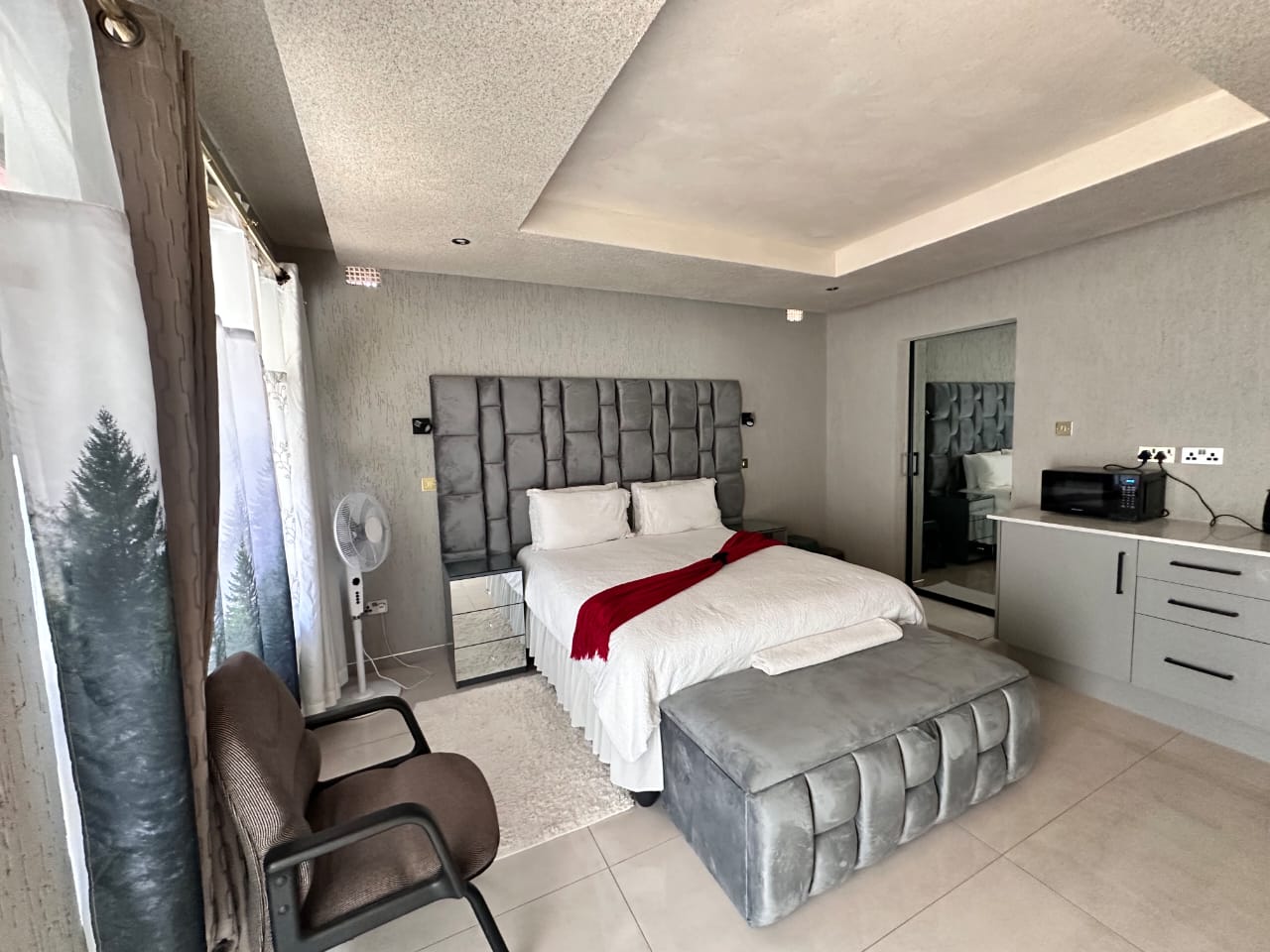
When people see a woman managing operations, finances and decision-making, perceptions can begin to shift. For younger generations, this can broaden the sense of what is possible.
However, her journey also highlights ongoing challenges faced by women in business. Access to funding remains one of the most significant barriers. Many struggle to secure financial support, especially without collateral, which makes it difficult to start or expand enterprises.
Promise acknowledges that her own progress has been influenced by support systems, including guidance and partnerships. However, such support is not always available to others.
Her experience points to a broader issue — while opportunities are improving, there is still a need for stronger support structures for women, including access to finance, training and mentorship.
For those considering business, her advice is straightforward. She emphasises clarity, discipline and taking action rather than waiting for ideal conditions.
Her own background reflects this approach. She attended Mpumelelo Primary School in Mpopoma and later Msitheli for her Ordinary Level studies, before obtaining a business management certificate. Alongside formal education, she has relied on practical experience and continuous learning.
Today, her guesthouse represents a result of sustained effort over time. It reflects the possibility of building a business despite challenges, provided there is persistence and clear direction.
As Zimbabwe continues to promote women’s inclusion in leadership, stories like Promise Moyo’s illustrate how change is also happening at community level. While national appointments set the tone, everyday efforts often shape the lived reality of that progress.
In Bulawayo, her work affects not only her own household, but also employees and others connected to the business. More broadly, it offers an example that may encourage other women to consider similar paths.
Her journey suggests that, while challenges remain, progress is possible.