Online Reporter
Peter Matika, [email protected]
AS dusk settles over the quiet streets of Ilanda, when porch lights flicker on and families retreat behind locked doors, a different ritual begins.
Jackets are zipped against the cold. Torches are tested. Walkie-talkies crackle to life.
Then, one by one, a group of women steps into the night.
They are mothers, wives and professionals but after sunset, they become the frontline of Ilanda’s neighbourhood watch, patrolling streets that were not long ago known more for fear than safety.
Once labelled a crime-prone suburb, Ilanda has in recent months recorded a sharp decline in petty theft and night-time break-ins. Residents say the turnaround has been driven by an unlikely force: women who refused to be victims any longer.
“We realised that criminals were taking advantage of our silence and fear. As women, mothers and wives, we decided that enough was enough. This is our community, and we must protect it together,” said Mrs Sheba Makanyanga, a committee member of the Ilanda Neighbourhood Watch Committee.
Her calm authority and firm commitment have inspired a community-wide shift in mindset. Under her guidance, women now spearhead night patrols, co-ordinate communication networks and work closely with police, roles traditionally dominated by men.
Armed with torches, mobile phones and instant messaging platforms, the women share real-time alerts on suspicious movement, abandoned vehicles and potential break-ins. What once went unnoticed now triggers swift collective action.
“In the past, people would wake up to losses and keep quiet. Now, within minutes, everyone knows and help comes fast,” Mrs Makanyanga said.
The patrols are conducted jointly with male volunteers, ensuring visibility across all corners of the neighbourhood. But the presence of women has fundamentally changed the tone and discipline of the initiative.
Braving the night, however, has not come easily.
“Winter nights are bitterly cold. The rain can be frightening. And sometimes fear tries to creep in, but when we stand together, that fear disappears,” Mrs Makanyanga admitted.
Beyond the physical challenges, the women juggle patrol duties with family responsibilities, work and social expectations, a balancing act that has quietly redefined gender roles within the community.
Residents say there has been a positive impact.
“Criminals used to target this area because they knew no one would respond, but now, there is constant movement and communication. You can feel the difference,” said one resident who requested anonymity.
Another resident, Mr Reginald Shoko, said the women had shattered the notion that community security is a male domain.
“This has shown us that safety is everyone’s responsibility. Men or women, when we unite, crime has nowhere to hide,” he said.
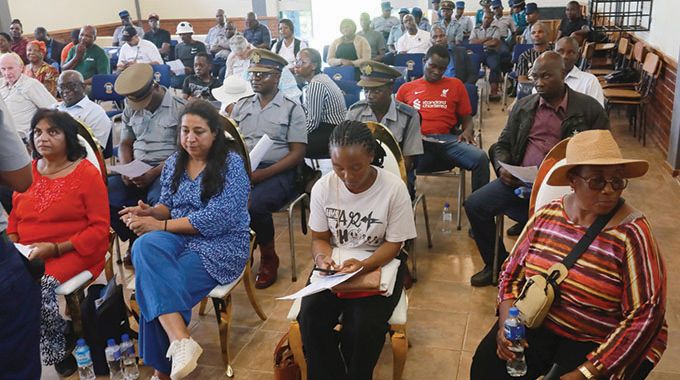
The initiative has also strengthened trust among neighbours, with residents now more willing to share information and look out for one another. Regular meetings are held to analyse crime trends, plan patrol schedules and receive guidance from the police, who have commended Ilanda’s proactive approach.
For Mrs Makanyanga, the secret to their success is simple.
“Discipline, consistency and inclusivity. This is not about women versus men. It is about unity,” she said.
That unity was on display on Saturday when the community unveiled its fifth patrol vehicle, a Honda Odyssey, strengthening its partnership with the police and boosting rapid response capacity.
The addition brings to five the number of vehicles acquired under Ilanda’s sustained community-policing model, positioning the suburb as one of Bulawayo’s leading examples of citizen-driven crime prevention.