

 Chronicle Editor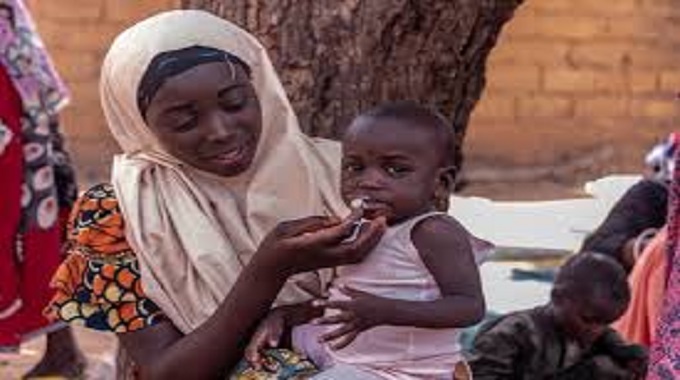
Andile Tshuma
WHETHER we’re talking about climate, biodiversity, poverty, education, health, gender, or economic policy; the food system is a web that connects everything.
It’s high time that more emphasis is put on securing sustainable food systems for all.
Women are active participants in food systems, yet their contributions are often inconsistently recognised.
The good news is that there’s a renewed focus on empowerment of women in agriculture and economic development, and growing recognition of their pivotal roles in food systems.
Women, both in rural and urban set ups are instrumental in the fight against hunger and malnutrition, especially during this time when incomes have been lost owing to the Covid-19 pandemic. They’re also instrumental in making food systems more productive and sustainable.
However, women are often forgotten during the talks of food value chains, and are the unsung heroes on whose foundations global food systems are built.
Women contribute a lot in communities as they grow food, reduce food losses, and make diets more diverse and agricultural produce more marketable along the agri-food value chains.
According to the Food and Agriculture Organisation, women comprise, on average, 43 percent of the agricultural labour force in developing countries.
World Food Day is celebrated around the world each year on October 16 and this year, it’s being commemorated under the theme, “Leave no one behind”, a term that’s a current buzzword in Zimbabwe with all the ongoing efforts to address inequalities in society being rolled out.
Adopting this theme and running with it should be an easy task for the country as it is in line with the foundation of the country’s economic blueprint, the National Development Strategy 1.
Celebrating World Food Day should help us educate and empower communities to fight hunger in their own backyard as every little effort counts in feeding families.
Food insecurity is a tangible challenge facing many nations in Africa and around the globe, significantly affecting many of the world’s poorest citizens, and unfortunately impacting children most of all, and the Covid-19 pandemic has not helped issues at all.
While many lost their sources of livelihoods as a result of the pandemic, it has been a time of a great shift in mindsets as many people birthed new start-ups and enterprises, after finding opportunities during the pandemic.
Many women started small businesses in the food industry from farm to fork and for most, the results have been worth every effort.
Girls and young women represent a crucial previously invisible labour force in emerging economies such as Zimbabwe. They play a key role as producers of food, managers of natural resources, income earners and primary caregivers for their families and communities.
However, gender-based discrimination denies them those opportunities in agriculture and food production, education as well as the power of decision making.
Women have vast potential to transform our food systems and are already contributing so much with little support. Imagine what they could do if they had the necessary support and empowerment they needed.
It’s refreshing that Government working together with its development partners has embarked on a “leaving no one and no place behind” philosophy that has seen the empowerment of women and youths around the country. While there’s still a long way to go in addressing inequality, the steps that have been taken so far are a sign that the gender efforts and gender talk in the country is headed towards the right direction.
Being part of a local garden that provides food to those in need, giving back to a local food bank, and supporting local farmers are just some of the ways communities can help fight hunger in their communities. Women are already doing it and many families that would have otherwise gone to bed hungry have food.
World Food Day this year presents an urgent roll-up-your-sleeves challenge as we face a global food crisis as never before and addressing the challenges of food systems is a key way of helping revive African economies, at a time when the continent is faced by the effects of climate change, malnutrition, poverty, effects of the Covid-19 pandemic as well as conflict in Eastern Europe which has affected the globe.
To build back better from this crisis and the dark times it has presented, Zimbabwe must go beyond building resilience, but the hungry in our communities should be empowered and transformed to be producers. We have to empower women and support young people, if the agriculture industry is to grow further on the continent.
Women are the hidden powerhouse in agriculture. Yet, these women often don’t have as much access to credit and loans due to collateral issues, among other challenges they face in funding.
It’s encouraging that Zimbabwe is already addressing the challenges with the Women’s Bank which has opened a lot of doors for women to access funding and pursue their passion in business, including the agriculture sector and the food systems value chain as a whole.
According to the Rockefeller Foundation, Africa has the highest number of women entrepreneurs in the world, therefore more financial institutions in the country should take a leaf from the Women’s Bank and help fund women so as to transform Zimbabwe’s economic narrative.
However, while these financing products are being made available, more work must be done in informing women about these products and what needs to be done for them to be accessible. The conditions in which women operate must also be made conducive for them to succeed in their endeavours, to allow them to positively contribute to the economy.
One of the fundamental resources that are essential for the development and sustenance of people in Zimbabwe is land as it forms the basis of agricultural production in the country and in the continent.
However, it has been difficult for women to access land in the country and the continent in general due to multiple issues, most of which are embedded in patriarchy as a system which breeds gender inequality.
The glaring manifestations of these unequal relations are the failure of women to access basics such as land, education, and participation in politics.
Male dominance is not only a sexual and social problem but also a political and economic one aimed at maintaining existing unequal power relations which subordinate women.
The United Nations estimates there will be 9,8 billion people on this planet by 2050 at a time when global crop yields have plummeted to a record low and food prices are hitting a record high.
Extreme weather, and geopolitical conflicts continue disrupting supply chains worldwide.
Nevertheless, a committed nucleus of agribusiness start-ups in Zimbabwe and globally established leaders are innovating to feed the planet’s growing population in a healthy, sustainable manner.
While agritech relies on data for positive change, entrepreneurs are also energising communities by innovating directly with people typically most impacted by food shortages.
As market uncertainties persist, innovators are exploring many ways of getting delicious, healthy food to everyone’s table.
Securing sustainable global systems is attainable if women everywhere are empowered and their rights are recognised and respected.
Increasing gender equality is directly linked to the delivery of economic growth as it can help to cut down extreme poverty and reduce hunger.
Sustainable Development Goals on reducing poverty and eliminating hunger will not be achieved if the gender dynamics are not addressed.
Closing the gender gap in agriculture would generate significant gains for the agriculture sector and for society. If women had the same access to productive resources as men, they could increase yields on their lands, which could raise total agricultural output in developing countries. – @andile_tshuma


 Online Reporter
 Bongani Ndlovu