admin
admin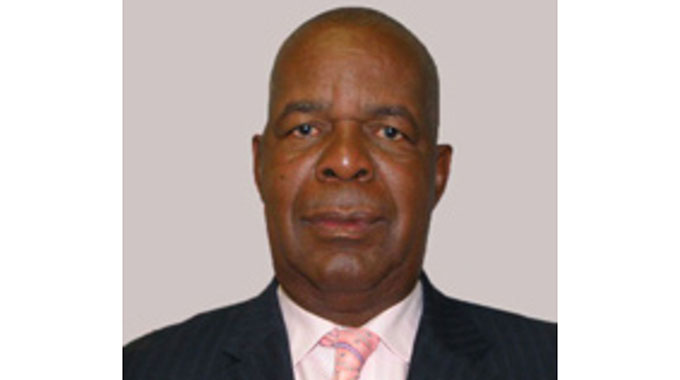
Remember Deketeke
Herald Correspondent
POLITICAL parties must adopt the women quota system in their constitutions to boost female participation, the Zimbabwe Gender Commission (ZGC) has said.
This is contained in the “2023 elections gender observatory report,” which was launched last week.
In the report, the ZGC bemoaned the low participation of women in politics, calling on stakeholders to come up with policies that promote and protect women.
Acting chairperson of the ZGC, Commissioner Obert Matshalaga, said the report reflected regressing trends in political participation of women at all levels.
“This comprehensive approach to monitoring the electoral process allowed for a more thorough understanding of the barriers to women’s participation in politics and provided insights into the potential solutions to address these issues.
“It is, however, worrisome to note that the outcome of the 2023 harmonised elections reflects regressing trends in women’s political participation at all levels, starting at the level of fielding candidates to the outcome of the elections,” Commissioner Matshalaga said.
To ensure women’s participation in politics, the report said political parties must improve their internal democratic processes.
“Political parties must align party constitutions to the National Constitutions to provide for representation of men and women.
“Furthermore, create a level playing field for women of all ages and abilities to freely campaign and contest for leadership through offering capacity building on leadership development”.
Additionally, the report called for parties to, “adopt institutional gender policies to ensure that party processes are inclusive and responsive to the various needs of both genders.
Furthermore, political parties were urged to adopt sexual harassment policies with clearly laid out mechanisms and pathways to address issues of abuse.
The ZGC said while acknowledging the rationale behind the rise in nomination fees, the level to which the nomination fees were raised was exclusionary to vulnerable groups such as women, youth and persons with disabilities (PWDs) who do not have the financial muscle.
There is a need to review downwards the nomination fees to allow more aspiring candidates, especially women and PWDs to contest for political office.
The report undertook a long-term election observation and monitoring mission for the 2023 election cycle with a particular focus on biometric voter registration, nomination court process, pre-election environment monitoring, polling and post polling monitoring.
The broad objective of the Gender Observatory was to capture and document key gender issues throughout the electoral cycle leading to the 2023 harmonised elections.


 Online Reporter