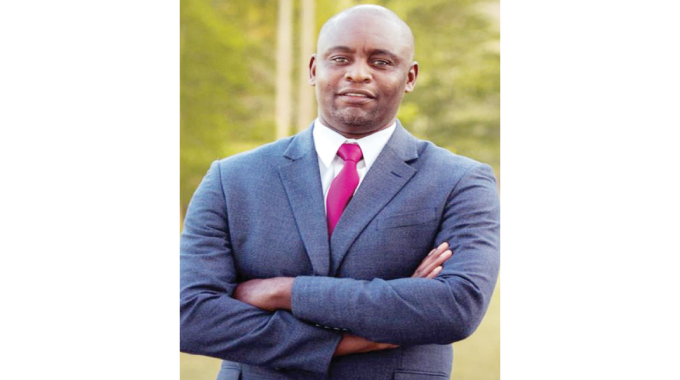
Innocent Hadebe
Business Coach
This is a type of leadership approach where a manager or a leader strikes a balance between various demands and organisational needs to enable production systems to function in predictable and sequential manner to achieve high output.
It is the utmost duty of a manager to balance work and personal life. Crucially, the manager has to possess emotional intelligence so as to manage his or her emotions and those of the workforce. Moreover, the leader has to be firm and confident so that they would make decisive decisions.
Build systems that function without you
It takes the ability of a manager to build a system that could function as usual during their absence. The manager or leader has to identify skilled workers in each business unit and effectively communicate the expectations and delegate clearly defined tasks. If there is a skills gap, the workforce has to be upskilled or reskilled to develop them to embrace the required functionality of the system and must be given authority to make decisions.
Some of the aspects to focus on when building a system
Effective delegation
As a leader or a manager, you have to understand the components of the task so that when you assign a worker you clearly explain how you expect the employee to execute it.
It has to be part of the organisational culture to allow employees to make decisions during the production process and consult when they have failed to solve the challenge on their own. Moreover, each stage of production has to be documented and explained clearly to workers so that it will be easy to follow.
The management has to build an organisational culture that enables the workers to believe in themselves and have trust in the management.
How is this done?
The manager has to make sure that resources needed for each stage of production are adequate and that team members possess requisite skills to effectively carry out the delegated task.
A manager has to be touch with the supervisors to get regular updates and feedback on the progress, and If there are challenges, provide solutions urgently so that the production process will not be disrupted. The system has to be reviewed regularly to allow for improvements so that it will function effectively.
Protect mental space
The management has to come up with policies that protect employees from all kinds of victimisation to ensure that their psychological safety & well being is protected. In such an environment workers feel free to air their views and suggestions during meetings. They could take risks to try new methods of carrying out the task and be innovative.
The manager has to clearly define responsibilities and roles to avoid confusion and quarrels. Moreover the management has to develop a culture that encourages employees to always seek help when they are facing challenges at their workplace and private life.
As a manager or a leader, you have to have an open door policy to allow employees to approach your office to communicate their issues and help them to find solutions or counselling if there is any need.
One of the issues that could cause mental health challenges is too much workload with minimum remuneration. The manager has to strike a balance between work-life and discourage overworking.
Furthermore, the manager has to implement regular check-ins and talk to employees so as to get feedback on how they are coping with the workload. As a manager, capacitate yourself with knowledge and information and build a strong relationship with your employee so that they would open up when they are faced with challenges.
Notably issues of mental health are of concern, and it is prudent that as a leader you develop a culture of love, trust and empathy.
Be part of the success story
One has to understand the history, vision, mission and purpose of the organisation and align your personal aspirations to the organisation’s long-term strategy.
Measure what matters
This involves aligning and tracking key performance indicators that align with your business objectives. The manager has to foster a sense of alignment to make sure that every team member in the organisation is working towards attaining the organisational goals.
The goals have to be SMART- simple, measurable, achievable, realistic and time-bound. The manager has to foster a sense of unity and collaboration among the employees.
Hadebe, with 25 years of experience and credentials as a John Maxwell certified business coach, serves as a trusted executive advisor through Innocent Leadership Group (ILG).