

 Chronicle Editor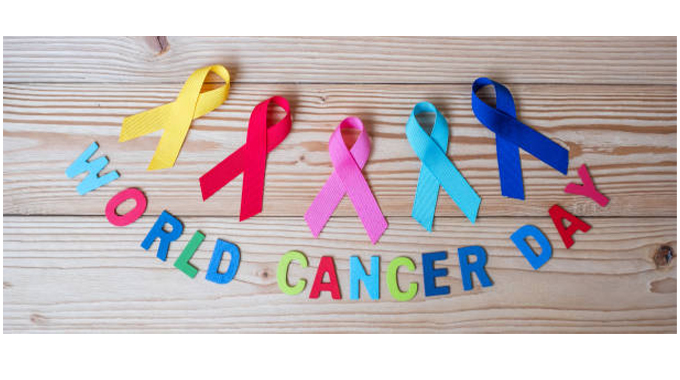
I hope I find you well and in good health. February 4 marks commemoration of World Cancer Day. ‘Close the Care Gap’ is the running campaign theme for the next 3 years. The first year of the ‘Close the Care Gap’ campaign is all about understanding and recognising the inequities in cancer care around the globe.
It’s about having an open mind, challenging assumptions and looking at the hard facts:
· Inequity in cancer care costs lives.
· People who seek cancer care hit barriers at every turn.
· Income, education, location and discrimination based on ethnicity, gender, sexual orientation, age, disability and lifestyle are just a few of the factors that can negatively affect care.
· The gap affects everyone, including you and your loved ones.
· These barriers are not set in stone. They can be changed.
This is the year to question the status quo and help reduce stigma; to listen to the perspectives of the people living with cancer and their communities and let those lived experiences guide our thoughts and actions.
That’s how we can begin to imagine a better way of doing things and to build a fairer vision of the future — a future where people live healthier lives and have better access to health and cancer services, no matter where they are born, grow, age, work or live.
The concept of cancer is greatly misconstrued in our community, influenced by individual belief as western, spiritual, demonic, condition for rich people who live modern lifestyles.
There is a significant increase in the number of people who develop cancer in our communities. This is attributed to a better knowledge of the cancer and a better pick up rate of cancers through screening programs. Lifestyle still plays a significant part in the development of various cancers.
Mayo Clinic refers to cancer as any one of a large number of diseases characterised by the development of abnormal cells that divide uncontrollably and have the ability to infiltrate and destroy normal body tissue. Cancer often has the ability to spread throughout your body.
Cancer is the second-leading cause of death in the world. But survival rates are improving for many types of cancer, thanks to improvements in cancer screening, treatment and prevention.
The presentation of cancer is very broad, and times can be very misleading, thus delaying treatment. Some general signs and symptoms associated with, but not specific to, cancer, include:
· Fatigue
· Lump or area of thickening that can be felt under the skin
· Weight changes, including unintended loss or gain
· Skin changes, such as yellowing, darkening or redness of the skin, sores that won’t heal, or changes to existing moles
· Changes in bowel or bladder habits
· Persistent cough or trouble breathing
· Difficulty swallowing
· Hoarseness
· Persistent indigestion or discomfort after eating
· Persistent, unexplained muscle or joint pain
· Persistent, unexplained fevers or night sweats
· Unexplained bleeding or bruising.
Cancer is caused by changes (mutations) to the DNA within cells. The DNA inside a cell is packaged into a large number of individual genes, each of which contains a set of instructions telling the cell what functions to perform, as well as how to grow and divide.
Errors in the instructions can cause the cell to stop its normal function and may allow a cell to become cancerous. Gene mutations occur frequently during normal cell growth.
However, cells contain a mechanism that recognizes when a mistake occurs and repairs the mistake. Occasionally, a mistake is missed. This could cause a cell to become cancerous.
A gene mutation can instruct a healthy cell to grow and divide more rapidly. This creates many new cells that all have that same mutation.
Normal cells know when to stop growing so that you have just the right number of each type of cell. Cancer cells lose the controls (tumor suppressor genes) that tell them when to stop growing. A mutation in a tumor suppressor gene allows cancer cells to continue growing and accumulating.
DNA repair genes look for errors in a cell’s DNA and make corrections. A mutation in a DNA repair gene may mean that other errors aren’t corrected, leading cells to become cancerous.
One can be born with Gene mutations that occur after birth. Most gene mutations occur after you’re born and aren’t inherited.
A number of forces can cause gene mutations, such as smoking, radiation, viruses, cancer-causing chemicals (carcinogens), obesity, hormones, chronic inflammation and a lack of exercise.
Risk factors for developing cancer include:
· Lifestyle choices are known to increase your risk of cancer. Smoking, excessive alcohol consumption, excessive exposure to the sun or frequent blistering sunburns, being obese, and having unsafe sex can contribute to cancer.
· Family history of cancer, for example breast cancer.
· Some chronic health conditions like chronic peptic ulcer disease may lead to stomach cancer.
· Environmental, asbestos and benzene.
Prevention
· Stop smoking
· Avoid excessive sun exposure
· Eat a healthy diet
· Exercise most days of the week
· Maintain a healthy weight
· Have annual cancer screening exams
· Immunisation against some cancer-causing viruses like hepatitis B, Human Papillomavirus
In order to cope better with cancer, one should learn enough about cancer to make decisions about their care. Trusted friends and family should be kept close, so that one has someone to share the journey with.
Developing cancer is not a death sentence, if diagnosed early some cancers are curable. There are support structures like Island Hospice that help individuals and the family at large cope with all forms of cancer.
Their main focus is improving quality of life and also counselling of the whole family to come to terms with the condition.
*Dr Tatenda Simango can be contacted on [email protected] or follow him on Facebook@ 9th Avenue Surgery.


 Online Reporter