admin
admin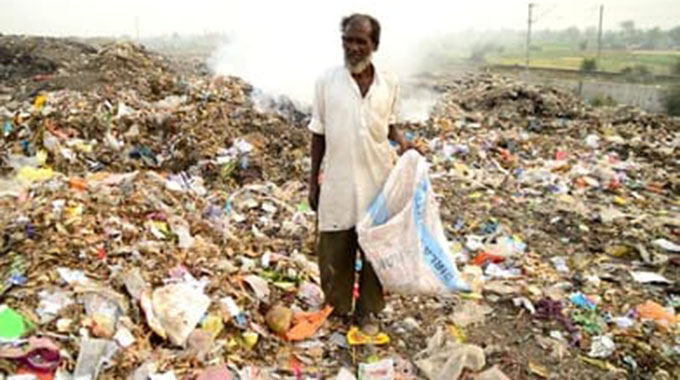
Sifelani Tsiko Agric, Environment & Innovations Editor
Waste pickers say they want recognition and meaningful inclusion in the mainstream economy as they are critical in promoting sustainable development.
Mufaro Dzingai, who runs a recycling centre in Budiriro in Harare, told The Herald on Friday that waste pickers deserve more recognition for their environmental contribution in the country.
“Waste pickers deserve respect and recognition here in Zimbabwe,” he said. “They work tirelessly to keep our streets clean and liveable – all without guaranteed pay, workplace protections or a social safety net.
“They do a lot of tremendous work as they recover the bulk of recyclable waste for formal waste management companies.”
He said as Zimbabwe joined the rest of the world to commemorate the World Recycling Day (on March 18) it was important for the country to support, recognise and celebrate the importance of waste pickers in the recycling sector.
“The Government and private companies must support waste pickers and celebrate their role in preserving our primary resources and securing the future of our planet,” Dzingai said.
“Waste pickers must be formalised and recognised through community-based organisation to ensure their protection and dignity.”
Waste pickers were unsung heroes who collect the bulk of reusable and recyclable materials from residential and commercial waste bins, landfill sites and open spaces in order to revalue them and generate an income.
This way, they help the country to manage plastic waste and other materials, helping to promote sustainable development.
A waste picker from Chitungwiza also complained that they were not being recognised adequately in the waste management sector.
“Most people treat us badly. We are seen as garbage itself but we are also environmental workers in a sense,” she said declining to be named.
“Stop looking down on us. We love doing our work and the Government and companies that buy the waste should recognize our work and support us to earn a decent living.”
Several other waste pickers also called for more respect and recognition as they said they played a significant role in reducing waste volumes and the various hazards that come with their work.
More than 20 million people around the world work as waste pickers according to the International Labour Organisation.
On a daily basis, they are exposed to hazardous materials, such as household cleaners, pesticides, and medical waste.
The COVID-19 pandemic has also heightened the health risks they face.
Most waste pickers in Harare called on the government and companies that generate or purchase recycled materials to support them as they are vulnerable to diseases, caused for example through occupation risks, contact with hazardous material and constant stench that triggers cholera, respiratory diseases and even lung cancer.
They also face a lack of social and political recognition and are regularly confronted with harassment and disrespect, despite their specific skills in recycling and the significant economic and environmental contributions they make.
Experts say the recovery of large amounts of recyclable waste reduces municipal waste management costs.
Other common problems they face include unstable prices for recyclable waste materials, a lack of capital and storage facilities and a lack of access to health and child care.
Development experts say there is a need to ensure the representation of waste pickers in global plastic and waste management treaties to safeguard their interest in the management of plastic waste.
They say there is a need to facilitate the direct participation of waste pickers and their organizations as critical stakeholders in the preparation of relevant national laws and regulations on action plans on plastic pollution, waste management and others.
In South Africa, for instance, waste pickers contribute up to 90 percent of post-consumer packaging and paper that are recycled while in Indonesia, 700 000 tonnes of plastic waste collected by informal workers are recycled every year.
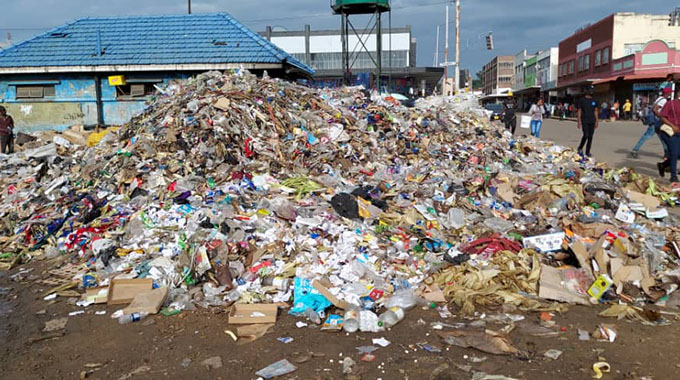
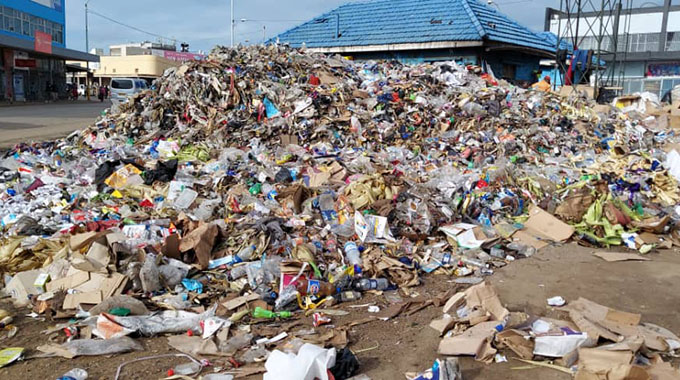
The generation of garbage has increased across Zimbabwe – in both rural and urban areas and municipalities are battling to cope with the accumulation of trash.
The country produces about 1,7 million tonnes of solid waste every year, according to the Environmental Management Agency (EMA).
Sustainable waste management systems are still weak as recycling and waste collection is low.
In the mid-90s, local authorities collected 80 percent of waste and by 2006, the figures had declined to around 30 percent.
Most local authorities lack resources to collect waste forcing residents to throw trash in open dumps as well as conduct backyard incineration.
The collection of waste has largely been left to the informal waste collectors.



 Online Reporter