Chronicle Editor
Fairness Moyana in Hwange
WORLD Wildlife Fund (WWF) has embarked on a project to enhance the capacities of Hwange and Binga Rural District Councils (RDCs) to manage conservation interventions in the face of Covid-19.
The project will also result in communities benefitting directly through various income generating interventions as part of efforts to cushion them from the effects of the pandemic.
The project comes at a time when communities and local authorities are reeling from the effects of the pandemic which cut-off most of their revenue sources.
Hwange and Binga districts are involved in Community Areas Management Programme of Indigenous Resources (Campfire) largely through sport hunting, commercial timber logging and fishing.
With the onset of Covid-19, the tourism industry witnessed unprecedented cancellations, grinding it to a halt.
While the overall effect of the pandemic on the industry is still being assessed, according to the Zimbabwe Tourism Authority (ZTA) 2,5 million tourists generated about US$1 billion in 2018.
Speaking during an inception meeting in Hwange last week, WWF country director, Dr Enos Shumba said the project which was hinged on three pillars was part of efforts to mitigate threats such as loss of revenue from tourism and Campfire arising from the Covid-19 pandemic.
“This intervention was necessitated by Covid-19 where we saw our tourism being ground to a halt while hunting was also suspended globally.
As a result we realise that revenue streams for RDCs and communities were diminishing which meant that at RDCs level, scouts who normally protect nature could not do so because they were incapacitated due to lack of resources.
So we decided to provide rations and motorcycles to both RDCs so they could be effective in protection of natural resources and more importantly monitoring them that’s the first pillar,” said Dr Shumba.
Threats arising from the pandemic in the Campfire areas include loss of Campfire income by buffer districts bordering Hwange and Chizarira national parks.
Average annual Campfire income for these districts is around US$213 600 from photographic (20 percent) and hunting safari (80 percent).
This also impacted wildlife protection operations which saw reduced anti-poaching capacity caused by the loss of Campfire income by the two RDCs to pay for salaries, rations and development costs for resources monitors or game scouts.
He said the project was targeting to cushion buffer communities who lost Campfire income while also strengthening interaction between them and the wildlife authorities.
“With regards to the second pillar, we also realised that it’s important for us to be able to do something for communities because they were equally affected by Covid-19.
“We didn’t want it to be a donation that will be used today and forgotten.
So we commissioned a study to identify what other opportunities are available beyond hunting and tourism for them to make a living.
“Once the consultancy is completed we are going to work with communities in both districts to implement those identified mitigation measures.
The third area we identified is the need to improve the relationship between communities and neighbouring parks authorities.
This donation is supposed to support interaction between the two so as to help address issues of poaching or behaviour which is not positive for nature.”
The organisation made an initial donation of food rations, 10 bicycles and camping equipment to the two rural authorities while the purchase of 10 motorcycles to further improve mobility is at advanced stage.
WWF Zimbabwe is facilitating community mobilisation and awareness, providing technical support on Human Wildlife Conflict (HWC), capacity building to ensure those communities socio-economic safeguards within the project are promoted.
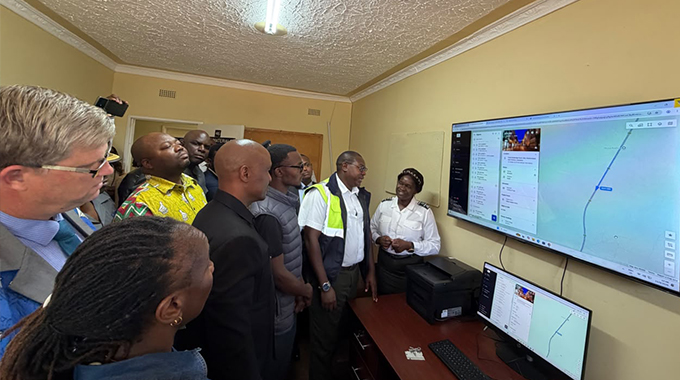
The event was attended by stakeholders that included WWF representatives from Germany, chief executive officers and District Development Coordinators from both districts, traditional leaders led by Chief Whange, Shangano Arts Trust and Zimparks officials among others.


 Online Reporter