Online Reporter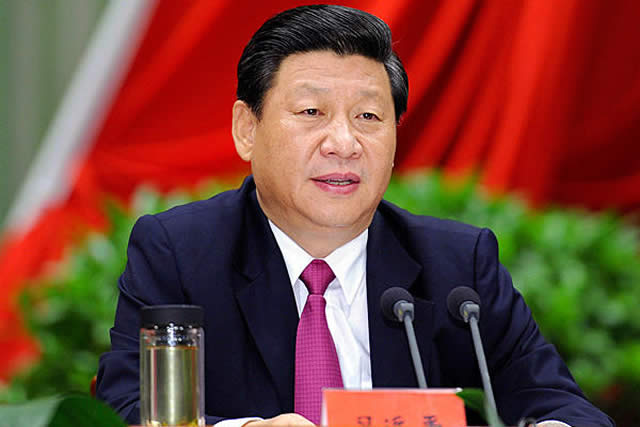
While Donald Trump hailed the outcome of trade talks in London, Xi Jinping walked away with an understated strategic gain: a negotiating process that buys China time and helps defuse the threat of more harmful tariffs and technology curbs.
Shortly after two days of negotiations wrapped, Trump declared Wednesday on social media that a deal had been “DONE” to restore the flow of critical magnets from China, and pledged to lift curbs on student visas.
Hours earlier, US Commerce Secretary Howard Lutnick revealed Washington would unwind its recent tech curbs, if niche metals essential to US auto and defence firms now flowed fast enough.
China’s focus was very different. A People’s Daily commentary on Thursday — Beijing’s most substantial remarks so far on the talks — made no mention of export controls.
Instead, the Communist Party mouthpiece touted an “institutional guarantee” established in Geneva for the two sides to bridge differences via a “consultation mechanism.”
In a long-awaited leaders’ call before the London negotiations, Xi told Trump the importance of using this channel, it added.
The contrast illustrates a disconnect in how the world’s biggest economies want to manage their trade dispute and broader rollercoaster relationship. While Trump seeks quick deals done directly with top leaders, Xi favours a framework led by his lieutenants that wards against being blindsided. Such haggling could drag on for years, with the “Phase One” deal from the last trade war taking most of Trump’s first term.
“Xi is playing a longer game on US-China trade. His time in office is simply much longer than Trump’s,” said Christopher Beddor, deputy China research director at Gavekal Research.
“That’s not to say there’s never any short-term thinking, but the lack of term limits presents very different incentives than for Trump.” — Bloomberg



 leeroy