Laina Makuzha
LOVE by DESIGN
Some emotional wounds in life do not end when the moment passes. They linger in the stories we tell ourselves, the fears we carry into new relationships and the reactions we cannot always explain.
Left unhealed, they can quietly erode marriages, influence parenting and become part of the emotional inheritance we pass on to our children.
Perhaps that is why so many people see themselves in relationships on screen. Beneath the glamour of weddings, holidays and happy family photographs are often ordinary people trying to overcome extraordinary pain.
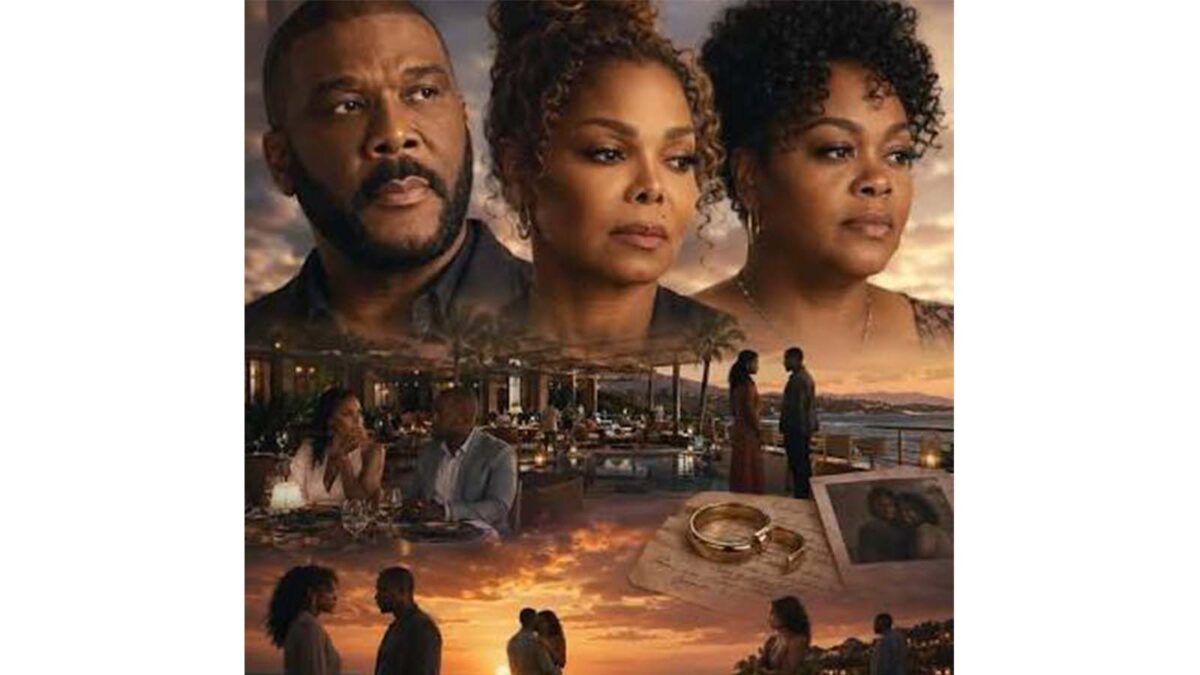
Tyler Perry’s latest film, “Why Did I Get Married Again?”, explores precisely this tension, following both familiar couples and their adult children, as old wounds, hidden assumptions and painful histories threaten to ruin the future.
The film follows “familiar” couples in the franchise, navigating family relationships and the love lives of their adult children. Beneath the destination wedding, dramatic confrontations and humour, lies a deeper theme: what happens when unresolved wounds quietly follow us into the next season of life and the next generation?
As I watched the story unfold,something stood out repeatedly: what remains unhealed rarely remains contained. It has a way of showing up in our communication, our fears, our expectations and sometimes in the very people we love most.
I asked Zimbabwean pastor, author, social worker and transformation coach who had also watched the film — Brenda Shoko — whose work centres on healing, identity rebuilding and personal transformation, what stood out the most for her in the film. What followed was not merely commentary on a movie, but a powerful lesson on healing, self-awareness and the kind of transformation every healthy marriage requires.
“I noticed unresolved hurt in Angela’s relationship with her husband,” she told me. “She was continually triggered by behaviours in her son that reminded her of his father, (Marcus) and she repeatedly brought her past experiences back into her interactions with her husband.”
What struck Brenda was that Angela was responding to her husband through the lens of who he used to be rather than who he had become. “And that’s what unresolved hurt can do. It can cause the present to feel like the past.”
Pause there. The present can feel like the past… How many marriages struggle under that weight? How many arguments are fuelled not by what was just said, but by what happened years ago?
Brenda says healing matters otherwise pain keeps occupying the driver’s seat. “It is not because we will never feel anger, fear, hurt or pain again.
It is because we want to reach a place where the pain does not automatically take over the response,” she says.
That distinction is powerful. Healing is not amnesia. Healing is freedom. You may remember, you may still feel but the wound no longer determines what happens next.
Brenda believes many people make the mistake of viewing healing as something their spouse should do rather than something they should pursue themselves.
“Healing cannot only be about getting the other person to change. Each person has internal work to do.”
She explains that we need to become aware of our triggers, understand where they come from, recognise the stories attached to them and learn healthier responses.
In other words, transformation starts with awareness. And awareness creates responsibility.
The film also presents a healthier picture of marriage through the character Sheila’s relationship. Brenda was particularly moved by the way Sheila’s husband created emotional safety. “There is something powerful about seeing a husband create a sense of safety and protection for his wife.” And I concur!
She believes wives need the confidence of knowing they are seen, valued and supported, adding: “Safety creates room for vulnerability.”
Without safety, people perform. With safety, people reveal, they open up. Without safety, people protect themselves. With safety, they can heal.
Brenda also admired the couple’s communication.
“Their relationship appeared to have developed to a point where there was room for the expression of feelings and thoughts without judgement.” Perhaps that is the real goal of marriage. Not perfection.
Not the absence of conflict. But the presence of enough trust to tell the truth without fear.
She adds: “A healthy relationship is not one where two people never get triggered, never disagree or never hurt one another. It is where two people can become increasingly self-aware, communicate what is happening within them, take responsibility for their own healing and learn healthier ways of responding to one another.”
That is transformation. Not changing your spouse. Changing your response. Not eliminating every feeling or even running. Learning how to steward it and learning how to listen and hear your spouse.
As our conversation ended, Brenda left me with a thought I have carried since. “The greatest evidence that healing has taken place is not that we no longer feel anything, but that we can feel it and choose differently.”
Dear reader, perhaps that is where every healthy marriage begins?
Next week, we explore why some patterns seem to follow families across generations. Drawing from a bold message by Apostle Isi Igenegba, we will examine the idea that we do not simply marry people; we also marry histories, family systems and what she calls “family altars”. It is a conversation about the patterns we inherit, the ones we repeat and the ones we must finally break.
I would love to hear your thoughts and experiences. What area of healing has transformed your relationships, and what lessons would you pass on to the next generation?
Feedback: Connect on Facebook: Naledi Laina Makuzha, or Whatsapp/SMS: +263719102572