Online Reporter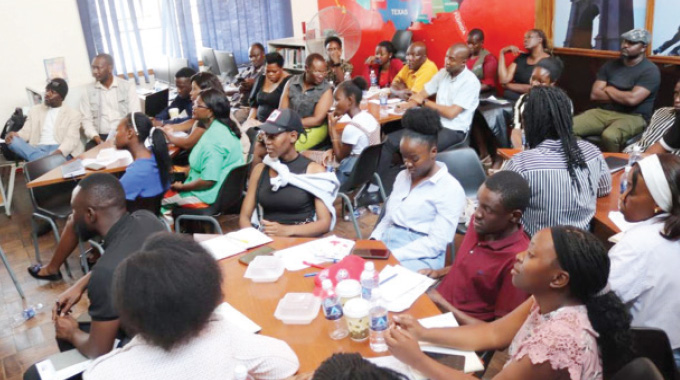
Locadia Mavhudzi Midlands Correspondent
IN a step towards digital empowerment, 40 young professionals from the media, academia, arts, and business sectors were recently trained in Artificial Intelligence (AI) literacy in Gweru.
The training, facilitated by the Zimbabwe Information and Technology Empowerment Centre (ZITEC), aimed to equip emerging leaders with practical knowledge on the use of AI tools to foster innovation and support national development.
Speaking at the event, Dr Nancy Kwangwa of ZITEC emphasised the importance of responsible AI adoption, particularly among the youth.
“It’s imperative for young leaders to embrace AI and use it responsibly to ease their work and improve efficiency across sectors,” she said.
Dr Evans Sagomba, an expert in digital ethics, highlighted the need for structured governance in the use of AI.
He noted that Zimbabwe is currently developing a National AI Strategy to ensure ethical and inclusive integration of these technologies.
Dr Isaiah Munyoro, Director of Library Services at the Parliament of Zimbabwe, spoke on the transformative potential of AI in libraries, particularly in automating cataloguing, improving access to information, and enhancing user experience.
However, he raised concerns about copyright and intellectual property, calling for clear policy frameworks to guide the ethical use of AI-generated content in knowledge institutions.
The training aligns with global sustainable development goals, particularly in enhancing education, fostering innovation, and promoting decent work through digital transformation.
Participants commended the initiative for demystifying AI and called for more inclusive digital literacy programmes across the country.
During the workshop, participants were exposed to practical applications of AI, including media content generation, music composition, and design processes.