Online Reporter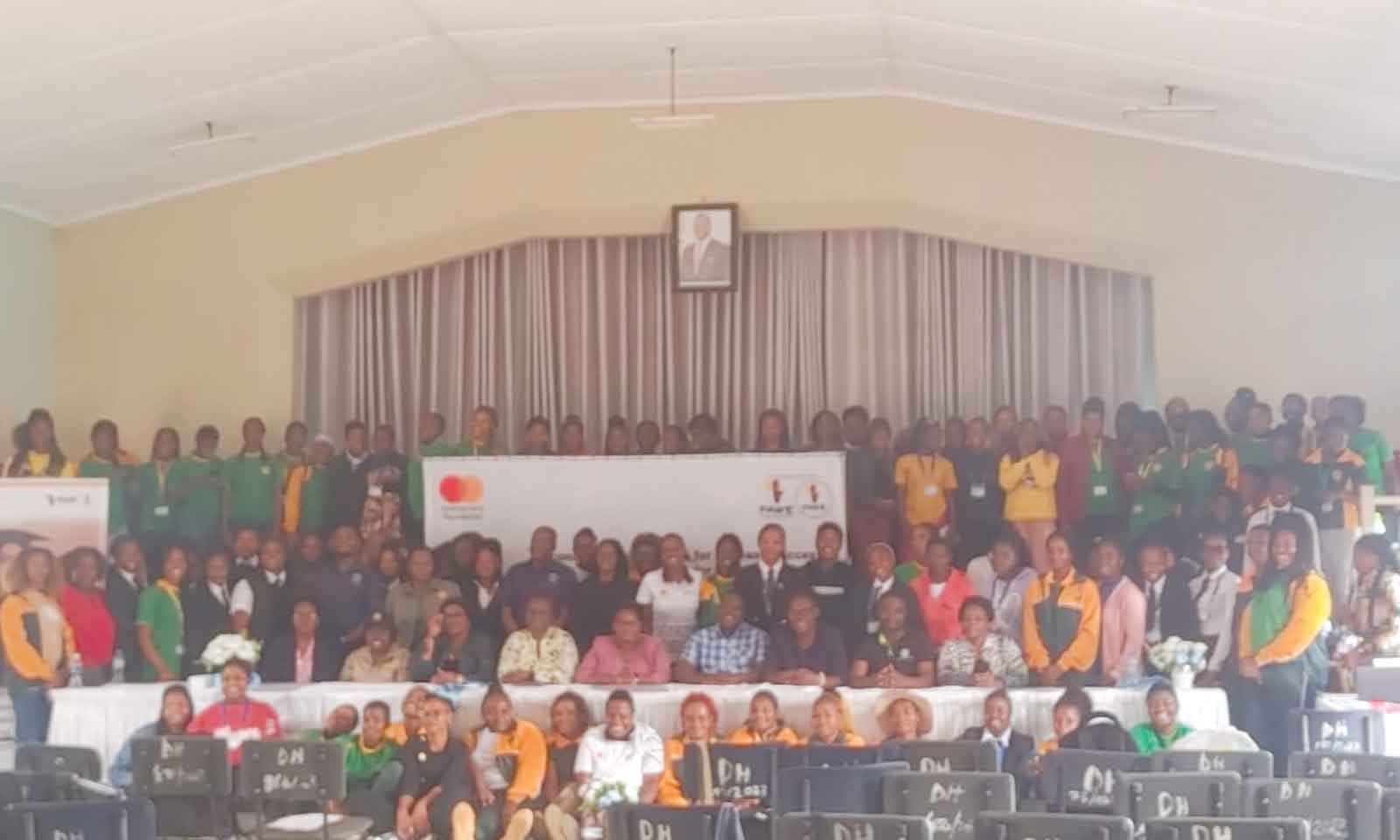
Ivan Zhakata
Herald Correspondent
GOVERNMENT and stakeholders have called for increased participation of young women in technical and vocational education and training (TVET) and STEM fields.
In a speech read on his behalf by the Principal Human Capital Planning and Skills Development Officer, Mr James Kapumha, Permanent Secretary in the Ministry of Higher and Tertiary Education, Innovation, Science and Technology Development, Professor Fanuel Tagwira commended the Forum for African Women Educationalists Zimbabwe (FAWEZI) for convening young women from different institutions.
“We extend our sincere appreciation to the Forum for African Women Educationalists Zimbabwe for organising this important event,” he said.
“We particularly commend you for intentionally bringing together the young women of Harare Polytechnic and Belvedere Technical Teachers’ College. Creating spaces where students from different technical, teacher education and high school backgrounds can converge, share experiences and build networks is precisely the kind of collaborative action that drives meaningful change.”
Prof Tagwira said this year’s International Women’s Day theme, “Rights. Justice. Action. For ALL Women and Girls,” should translate into tangible improvements in learning institutions.
“It is not merely a slogan; it is a call to accountability. We must move beyond rhetoric to ensure that the rights of every young woman are protected, that justice is accessible, and that our actions create tangible improvements in your daily lives,” he said.
Prof Tagwira challenged young women to take up their role in national development.
“You are not just participants in this nation’s development; you are its architects. You are the engineers, the technicians, the educators, and the problem-solvers who will drive the industrialisation and modernisation of our country,” he said.
Prof Tagwira reaffirmed the Government’s commitment to strengthening policies against sexual harassment and gender-based violence, while promoting disability inclusion.
“We must work together to ensure our campuses are physically accessible, equipped with assistive technologies and staffed by personnel who understand the diverse needs of all students, including young women with disabilities,” he said.
Speaking on behalf of the Tertiary Education Services Council (TESC) secretary Dr Tafadzwa Mundoga, Teacher Education Officer Mrs Raviro Mawarire said institutions must create environments where all students can thrive.
“Tertiary institutions are critical engines for national development, innovation and social mobility. But we must recognise that those engines only run at full capacity when the learning environments they create are safe, inclusive and accessible to every student,” he said.
Dr Mundoga said TESC would strengthen safeguarding mechanisms, promote gender-responsive policies and prioritise disability inclusion across institutions.
“TESC recognises that commitments must translate into measurable action. We therefore pledge to coordinate with the Ministry, FAWEZI, institutions and partners to integrate these priorities into institutional accreditation criteria, monitoring frameworks, and capacity-building programmes,” he said.
Dr Mundoga said the council would expand access to STEM opportunities through internships, mentorships and scholarships targeting young women.
“We will report on progress and remain accountable to the students we serve,” he said.
FAWEZI executive committee chairperson Professor Ruth Gora said the convening was meant to amplify young women’s voices and strengthen advocacy.
“Today’s Young Women’s Convening has been designed as a vibrant and empowering space where young women can share their voices, engage in dialogue, express their creativity, and strengthen their leadership and advocacy skills,” she said.
Prof Gora said despite progress in expanding access to education, young women still face challenges such as sexual harassment, gender-based violence, limited leadership opportunities and under-representation in STEM fields.
“International Women’s Day therefore provides an important platform for us not only to celebrate the achievements of women and girls, but also to listen, reflect and act,” she said.
Prof Gora said FAWEZI remains committed to advancing inclusive and quality education through programmes such as the FAWE/Mastercard Foundation initiative, which seeks to expand access to tertiary education for marginalised youth.
“To the young women present here today, your voices matter, your ideas matter, and your leadership matters.
“The future of our institutions, our communities, and our nation will be shaped by your courage to speak, to lead, and to act.”
Stakeholders called for strengthened collaboration to ensure that outcomes from the meeting inform national strategies and contribute to building inclusive, safe and gender-responsive tertiary education systems.