Fairness Moyana in Hwange
YOUNG artists in Zimbabwe have been invited to join peers from around the world in an international art competition challenging children and teenagers to imagine solutions to human-wildlife conflict and promoting peaceful coexistence.
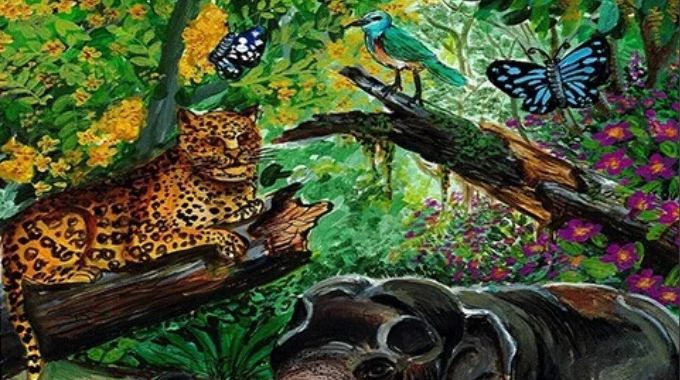
The International Fund for Animal Welfare (IFAW), in partnership with the Convention on International Trade in Endangered Species of Wild Fauna and Flora (CITES) and the United Nations Development Programme (UNDP), has opened entries for the 9th Annual World Wildlife Day International Youth Art Contest.
The competition, launched on November 18, is open to children and young people aged between four and 18, with participants expected to submit original artwork inspired by the 2027 World Wildlife Day theme, Human-Wildlife Conflict and Coexistence: Shared Spaces, Shared Solutions.
The initiative comes at a time when human-wildlife conflict remains a major conservation and livelihood challenge, particularly in communities bordering protected areas, where people and wildlife increasingly compete for space and natural resources.
In Zimbabwe, communities living alongside wildlife, particularly around national parks such as Hwange, continue to face challenges including crop destruction, livestock predation and threats to human safety as animals move beyond protected areas in search of food and water.
Through the competition, young people are being encouraged to use their creativity to explore how communities and wildlife can share landscapes safely, while finding solutions that protect both livelihoods and biodiversity.
Participants can draw inspiration from wildlife corridors, communities protecting their crops and livestock, safer migration routes for animals and innovative ways of reducing conflict between people and wildlife.
In a press release, IFAW US director Danielle Kessler said practical solutions could help communities and wildlife coexist, adding that young people had an important role to play in imagining a future where both could thrive.
“The next generation will inherit a world where people and wildlife share an increasingly crowded planet, but conflict doesn’t have to be inevitable,” she said.
Kessler said the organisation was inviting young artists to imagine possibilities that would encourage people to make room for wildlife while protecting communities.
IFAW’s conservation work includes its Room to Roam initiative in Africa, which seeks to reconnect fragmented habitats and enable elephants and other wildlife to move more safely across landscapes.
The organisation also works with the Wildlife Trust of India to protect tiger corridors and support communities in responding safely to wildlife encounters.
CITES secretary-general Ivonne Higuero said young artists had an opportunity to demonstrate how they envisioned a future in which people and wildlife could thrive together.
The contest attracted more than 4 200 entries from 117 countries and sovereign areas in 2026, underlining the growing international interest in using art to promote wildlife conservation.
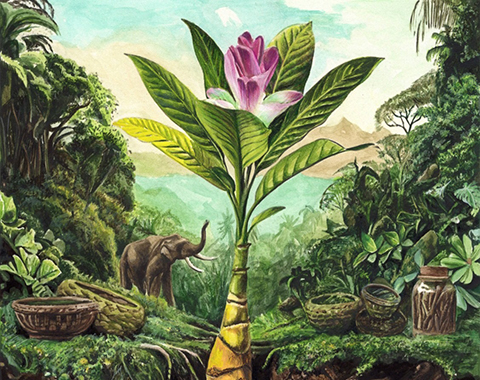
The 2026 grand prize went to 15-year-old Jia Yoo from South Korea, whose painting depicted an Asian elephant alongside turmeric, highlighting the relationship between wildlife, plants and human well-being.
Twelve semi-finalists will be selected by a panel comprising wildlife artists, conservationists and previous contest winners. Their work will be considered for international recognition, with the winning artwork set to be announced during the official United Nations World Wildlife Day celebrations on 3 March next year.
Meanwhile, UNDP assistant secretary-general and director of its Bureau for Policy and Programme Support, Marcos Neto, said lasting coexistence solutions should be developed with communities living closest to wildlife, taking into account their knowledge, safety and livelihoods.