admin
admin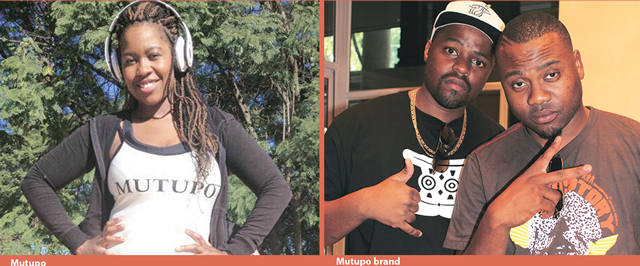
Mary Doma Lifestyle Reporter
Fashion is style and how one portrays the way of life through clothes. It is often said that you are what you wear and the basic barometer for judging one’s character is through their dress sense. People are often defined by what they wear at work or social gatherings.
The common trend among most people is to go for international brands; popular labels like Micheal Kors, Zara, Gucci, Uzzi etc.
However, of late, a new wave of consciousness seems to be sweeping through the fashion terrain as people are now embracing locally designed clothing labels.
It is no longer surprising to see local deejays, artistes or ordinary people adorning these labels. Local is Lekker.
Following more than a decade of economic hardship, the local clothing industry is slowly reclaiming its space with the introduction of new labels.
This has challenged international brands which had for long dominated the market as evidenced by the number of clothing boutiques that solely rely on imported products.
It is now common to see people walking the streets of Harare wearing labels such as Mutupo, Tateguru, Level Gear, Harare Hustler or Proudly Zimbo. Hovhorosi Style is also claiming its stake among the home-grown brands.
Renowned local fashion designer Adby Znzorzi said the fashion industry at this point in time is at a cross roads and for the first time the public seem to be more informed that there are fabulous designers doing fabulous creations in this country and suddenly there are now more platforms for designers to showcase their talent to the public.
“The fashion industry’s growth is also dependent on the country’s economic performance because if an average person has a higher discretionary income it means that they will spend more on fashionable products which will automatically grow our industry,” said Adby
“As designers we need to polish up marketing techniques and tactics just like how international brands do it. For designers to market their products successfully however, they should imitate what international brands do such as thorough market research, segmenting the market and then create clothes that relate to this market and tell a story that the targeted audience can identify with,” he added.
Cowden Chikomba who owns another local brand, Mutupo, said they mooted the idea after realising that many youths were scrambling for foreign brands.
Chikomba said theirs is a cultural brand on Zimbabwean pride and African heritage.
“We continuously develop designs with positive Afrocentric messaging they can identify with and we have a small but growing range of apparel for men and women of all ages, “he said
“We encourage people to embrace their heritage and cover themselves in culture,” he added.
Mutupo does T-shirts, tracksuits and hoodies.
“Our brand has been embraced very well in different parts of the continent and this shows how the brand has permeated youth subculture, demonstrating that there is a strong sense of cultural self-expression and identity manifesting; not only in Zimbabwe, but on the continent as a whole,” he added.
Boyz DzeTonaz is another new clothing line owned by enterprising youths and has taken Harare and abroad by storm.
The designer label which also promotes pride in the beauty of the capital city, with some of the merchandise emblazoned with the words “Harare” or “Mbare”, has ignited a sense of patriotism through trendy outfits such as hoodies, T-shirts, college jackets, caps, vests and track-suits among others.
Boyz DzeTonaz brand manager Lloyd Jiro said they came up with the concept because they wanted something that was original which people could relate to.
“Fashion is the way we live, breathe, walk and talk. Clothes identify with a people and most people relate through the way they dress.
Boyz DzeTonaz is a brand suitable for youth and hip-style,” he said.
The label is in the UK, Zimbabwe, Thailand, South Africa, Ireland, Germany, Sweden, Canada and the US among other countries.
It’s not surprising to see people going for shopping in South Africa, Dubai and China for them to get international brands but this year it has slowed down as most consumers are buying local brands like Mucha, Tanya Nefertari, Queen of Swag, Haus Of Stone, Harare Hustler, Proudly Zimbo and many others.
Many have seen how local and international artistes are being dressed by local designers, and think the brands are slowly penetrating the country.
The question still remains whether they are being recognised or still think the products are not accepted for the value they deserve. This then gives the public a skeptical mind about the Zimbabwe based designers.
At the end of the day the idea for these local designers is to provide quality yet affordable branded Zimbabwean apparel which will also be accessible to people in the Diaspora.
Local labels are cheaper compared to imported products of the same quality in design and material. Local T-shirts cost an average of $15 while imports cost an average $25.
“We believe that our people are kings, and queens and they should wear products they are proud of,” said Chikomba.
Fashion is big business that creates tonnes of jobs and eventually contributes to building the economy, hence designers should view their creations as part of the bigger picture.


 Online Reporter