Online Reporter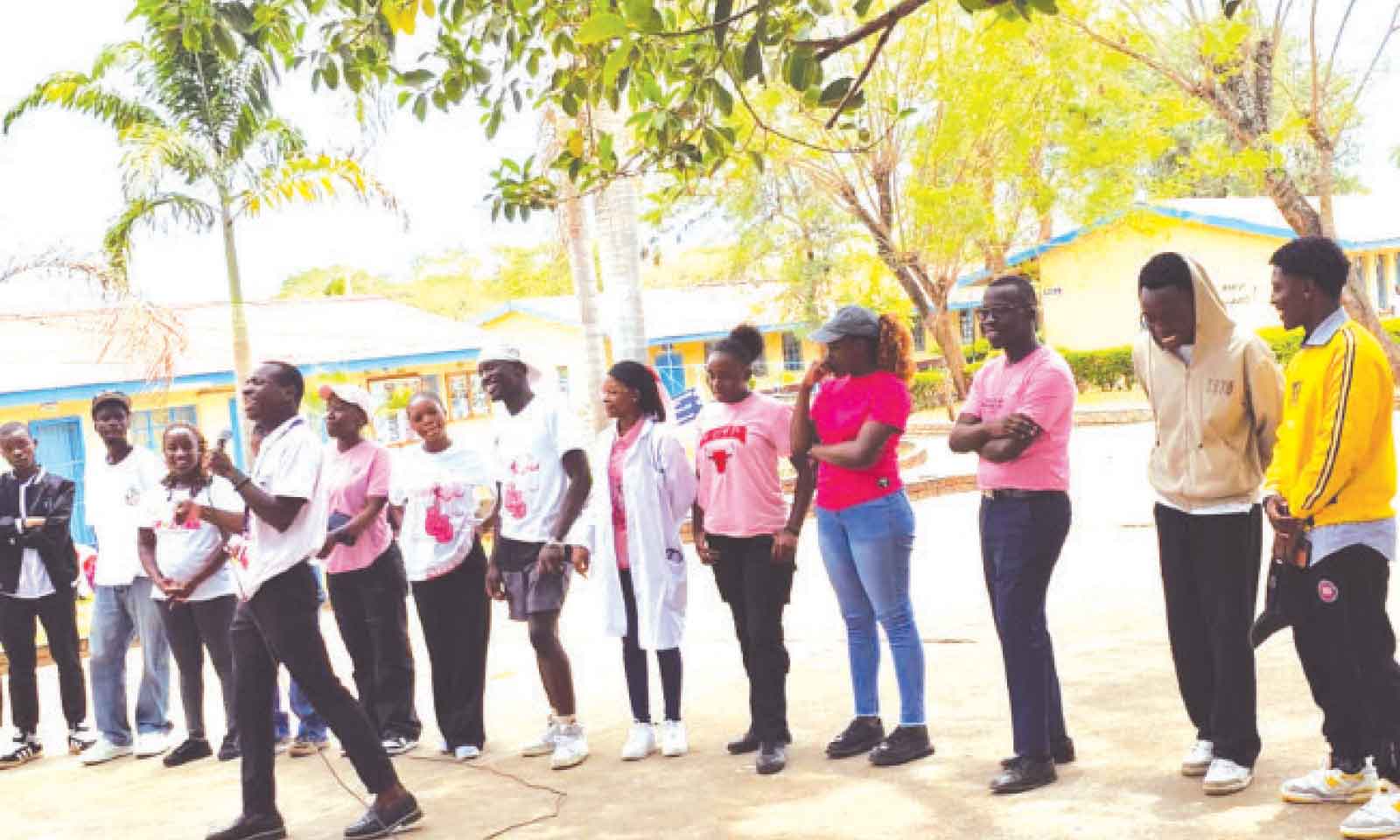
Nicole Gate
CAAE Member and Lower Six Student Mufakose 1 High
A youth-led organisation, Child Advocacy and Empowerment (CAAE), has completed a three-district Breast Cancer Awareness Campaign which saw more than 187 women, five men and 200 schoolgirls receiving free screening services in Mbare, Chitungwiza and Mt Darwin.
The initiative, conducted under the theme “No Cap – Breast Cancer Awareness Matters,” mobilised students, volunteers and community leaders to increase knowledge on early detection, self-examination and access to screening services, particularly within under-served communities.
Addressing congregants during the first leg of the campaign at Methodist Church in Zimbabwe in Mbare, CAAE Director Darlington Vandira said early detection remained the most effective defence against breast cancer.
“We want young people, women and families to understand that breast cancer is treatable when detected early. Awareness must not end in October; it should become a lifestyle,” he said.
Throughout the first and subsequent events, facilitators and health experts took time to educate attendees on the key risk factors associated with breast cancer, the early signs and symptoms to look out for, and how to conduct a proper breast self-examination at home. Communities were also encouraged to seek medical assistance immediately after noticing unusual changes and were reminded that, although less common, men can also be affected by breast cancer. Participants were further advised on the importance of regular screening, especially for women over the age of 35, as early detection significantly improves treatment outcomes.
Screening at the Mbare programme was conducted by student nurses from the Chitungwiza School of Nursing and Midwifery, who attended to 50 women, several of whom were referred for further review. At the second stop in Chitungwiza, held at Littlehood Junior School, the turnout was significantly higher. Screening support was provided by Herida Health, resulting in 70 women and five men being examined. One of the attendees, Mrs Chipfurutse, expressed appreciation for the initiative, saying, “Most of us have never been screened before. This programme opened our eyes, and we are grateful that young people brought this message right to our doorstep.”
The final edition of the campaign, hosted at Ruya Adventist High School in Mt Darwin, recorded the highest numbers. A total of 200 female students underwent free screening, along with 67 women from the surrounding community, including teachers. Deputy Head of Ruya Adventist High School, Mrs Zingoni, thanked the organisers for prioritising rural communities. “Our girls and women needed this information. Many here do not have easy access to screening services. What these young people have done is truly commendable,” she said.
The Road to Mt Darwin Campaign showcased the growing impact of youth-led health initiatives in Zimbabwe. Students organised activities, facilitated sessions, mobilised communities and handled logistics — proving that young people can meaningfully shape national wellness conversations. School Captain Tinodaishe Dzapasi, who also serves as a CAAE coordinator, encouraged students to share the knowledge at home, saying, “Information saves lives. When you learn, take the message home. Your parents and neighbours depend on you.”
Despite the scale of the campaign, organisers revealed that most of the work was self-funded through personal contributions from CAAE members and small fundraising activities. The organisation acknowledged Littlehood Junior School for financial support during the Chitungwiza stop, while partners such as M30 Media, Cyanspace, Lable Graphics, The Good Hand Family, Littlehood Junior School and Ruya Adventist High School contributed toward logistics, branding and awareness materials.
Mr Vandira said the campaign demonstrated the potential of youth-led initiatives. “This programme was powered by determination, not money. We raised what we could, contributed as a team, and worked with schools that believed in our vision. Young people are capable of leading national wellness programmes,” he said.
Although October has ended, CAAE says their mission continues as the organisation plans to expand youth-led health initiatives into more rural districts in 2026. The campaign has shown that the fight against breast cancer is no longer reserved for adults. Young Zimbabweans are stepping onto the frontline—mobilising schools, churches and communities toward early detection, wellness and informed living.