Online Reporter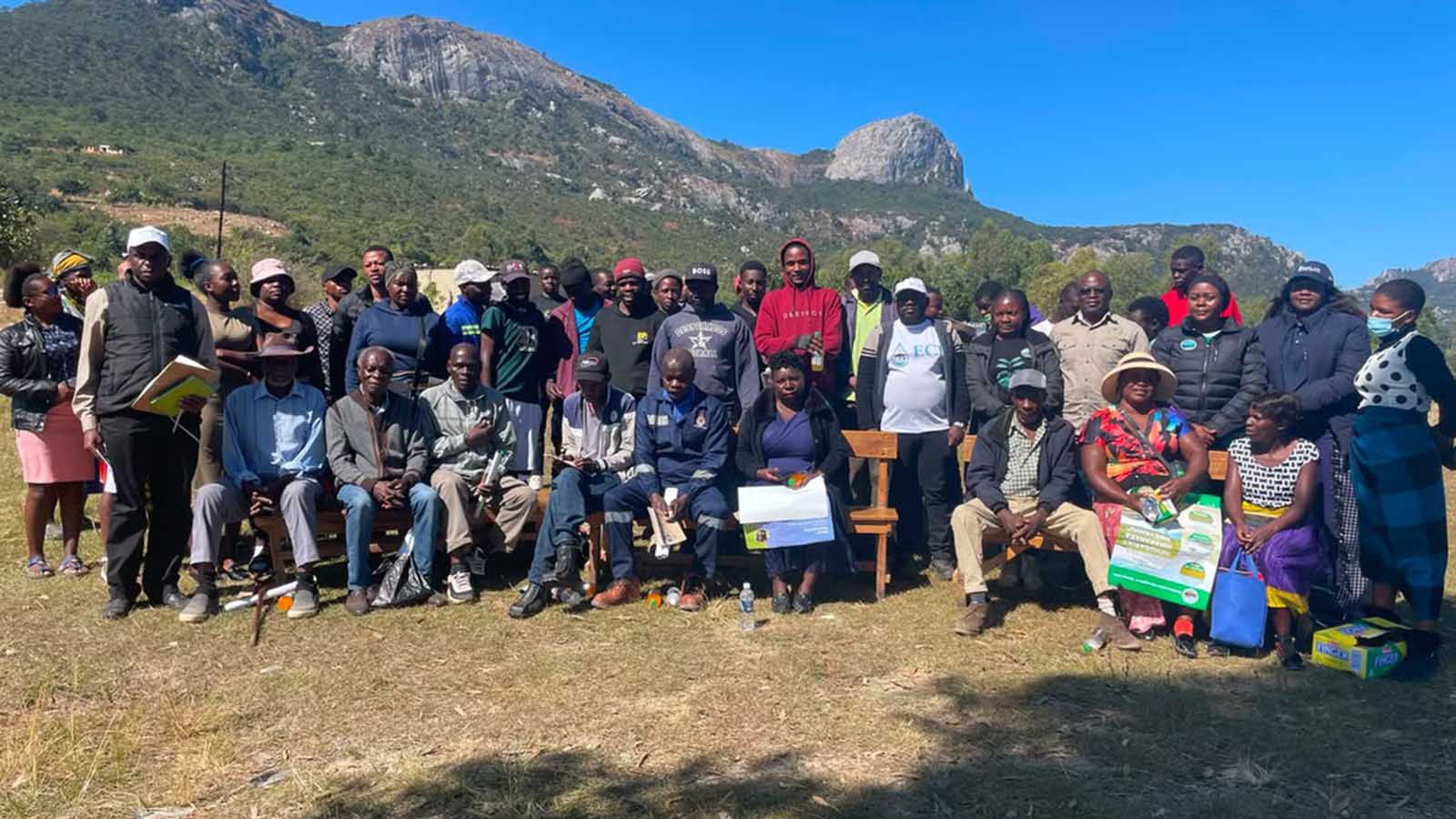
Herald Reporter
Zimbabwe has intensified efforts to strengthen youth participation in wetland conservation following its assumption of the presidency of the Convention on Wetlands (Ramsar Convention) at the 15th Conference of the Parties (COP15) held in Victoria Falls last year.
The Zimbabwe Ramsar Youth Steering Committee, with support from the Environmental Management Agency (EMA), recently launched a nationwide youth engagement programme aimed at promoting the sustainable management and protection of wetlands.
The initiative, which seeks to operationalise Ramsar Resolution XIV.12 on strengthening Ramsar connections through youth, commenced in Manicaland Province, where young people from Mutasa, Chimanimani and Makoni Districts participated in consultations on wetland conservation and environmental governance.
The engagements focused on raising awareness of the ecological and socio-economic importance of wetlands, promoting indigenous knowledge systems and strengthening youth leadership, stewardship and active participation in environmental management.
Traditional leaders and elders who attended the consultations shared cultural practices that historically safeguarded wetlands.
These included prohibitions against washing clothes, bathing, grazing livestock, cultivating crops and cutting down trees within wetland areas.
Participants noted that many wetlands across the country are facing increasing pressure from human activities, including unsustainable farming, sand abstraction, urban expansion and industrial development.
Speaking during the consultations, village head Mr Kudzai Charumuka of Mutasa said communities must revive traditional conservation practices to protect fragile ecosystems.
“Mutasa has several cultural norms. As you can see, we have sacred mountains surrounding us, which slowly releases water into these wetlands,” he said.
“However, people are now beginning to mine sand in rivers and build on wetlands, among other harmful practices.”
“As you can see, the Muonde tree has dried up, yet it is a tree renowned for never drying up. This shows the extent of environmental degradation taking place.”
African Youth Initiative on Climate Change Zimbabwe (AYICC-Zim) National Coordinator Mr Jean-Bertrand Mhandu said wetlands play a critical role in sustaining livelihoods and biodiversity.
“Wetlands are very important as they provide habitats for wildlife, help control floods, filter pollution, act as buffers against storms and strong winds, serve as carbon sinks and support tourism and recreational activities,” he said.
The consultations also generated proposals for wetland restoration projects and strategies for integrating indigenous knowledge systems into modern conservation efforts.
Young participants called for the establishment of formal structures that would enable them to actively participate in wetland management through employment opportunities, community projects and volunteer programmes.
Zimbabwe Ramsar Youth Focal Point Ms Linda Masudze said the consultations form part of a broader national process aimed at enhancing youth participation during Zimbabwe’s Ramsar presidency and beyond.
“As part of Zimbabwe’s commitment to the Ramsar Convention on Wetlands and Resolution XIV.12, EMA is supporting us to spearhead a critical consultative process throughout the country to conduct a thorough gap analysis and determine how youth participation can be elevated across Zimbabwe during our Ramsar presidency and beyond,” she said.
“We are proud to collaborate with key youth organisations such as the Earth Co-existence Initiative and the African Youth Initiative on Climate Change to ensure inclusive, community-driven results.”
Ms Masudze said the programme would be rolled out across selected districts nationwide as part of efforts to promote environmental sustainability while empowering young people to become active custodians of natural resources.
Young people who attended the consultations expressed willingness to spearhead conservation projects within their communities.
A youth representative from Chimanimani, Mr Brian Gumise, said there was a need for organised youth structures and support for income-generating projects linked to environmental protection.
“As young people in the ward, we would like to have a structure that is supported so that we can become proactive and engage our peers,” he said.
“We would like to start projects such as beekeeping and other environmental initiatives, resources permitting.”
Key recommendations made include the mapping and protection of wetlands, provision of alternative farming areas supported by dams and boreholes, enhanced environmental education and awareness campaigns, adoption of innovative technologies and increased funding for conservation projects and affected communities.
The youth engagement programme is expected to inform national strategies on wetland management and contribute to Zimbabwe’s efforts to uphold its international commitments under the Ramsar Convention while advancing environmental sustainability and youth empowerment.