

 Online Reporter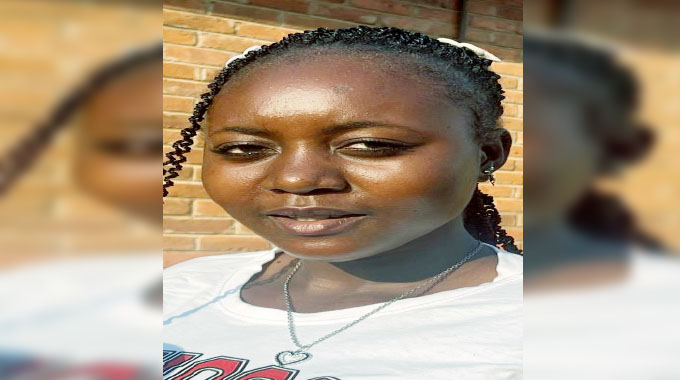
Sukulwenkosi Dube-Matutu, [email protected]
YOUNG people in Matabeleland South have vowed to take a frontline role in combating drug and substance abuse, saying the scourge continues to destroy promising lives and undermine national development.
Ms Lubelihle Maphosa from Colleen Bawn in Gwanda said interventions by the Government are offering youths a second chance, especially those who had lost hope after falling into drug addiction.
“As a youth, I have seen the effects and damage caused by drug and substance abuse. Some of my peers who had huge potential and were destined for greater heights have reached rock bottom,” she said.
“Some have changed so much that you can hardly recognise them. The interventions introduced by the Government, such as the establishment of rehabilitation centres, will help restore their futures.”
Ms Maphosa added that youths must also play a role in resource mobilisation to ensure that drug-fighting initiatives are adequately supported.

Her sentiments were echoed by Ms Eremina Dube from Beitbridge, who said young people should not be passive observers as efforts to tackle the drug crisis intensify.
“As youth, we have an important role to play. If we don’t embrace these initiatives, they won’t be successful. We must desist from drug abuse because it destroys rather than builds,” she said.
“When rehabilitation centres are established, we should utilise them and commit ourselves to not going back.”
Ms Dube said spreading awareness among peers remains one of the most effective prevention strategies.
From January to August this year, Matabeleland South recorded five deaths linked to drug and substance abuse.
The most commonly abused substances include marijuana, crystal meth, Benylin, BronCleer and other unregistered medicines.
Speaking during the launch of the provincial drug and substance abuse resource mobilisation programme recently, Minister of State for Matabeleland South Provincial Affairs and Devolution, Albert Nguluvhe, said success depends on collective action, with youths being among the most critical stakeholders.
The province is expected to raise US$280 000 for rehabilitation facilities, recreational centres, awareness campaigns and other interventions. Matabeleland South does not have a stand-alone rehabilitation centre and relies on Ingutsheni Central Hospital in Bulawayo.
The old TB clinic in Jahunda, Gwanda, has been identified for refurbishment to become the province’s first referral centre for drug and substance abuse survivors.
The national push follows President Mnangagwa’s call to action on July 11 when he launched the National Drug and Substance Response Resource Mobilisation Programme in Harare.
Drug and substance abuse remains one of the country’s most urgent public health threats, prompting the development of the Zimbabwe Multi-Sectoral National Action Plan on Drug and Substance Abuse (2024-2030).
The plan provides a co-ordinated framework that focuses on prevention, treatment, rehabilitation, harm reduction, legal reforms, community reintegration and strengthened media strategies.
The Government has also set up a National Committee on Drug and Substance Abuse anchored on seven pillars to ensure a holistic and sustainable response. — @DubeMatutu.


