malvernmugadzikwa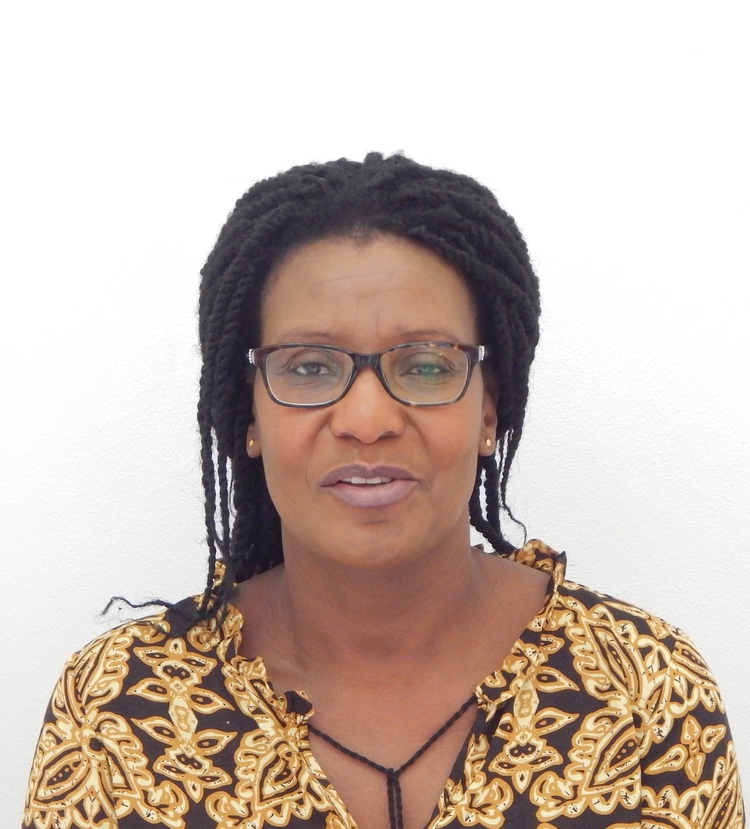
Disability Issues
Dr Christine Peta
THIS article is dedicated to World Youth Skills Day (July 15), declared by the United Nations General Assembly in 2014.
This year’s theme, “Youth Skills for Peace and Development”, highlights the importance of equipping young people with the skills needed to contribute to a more peaceful and sustainable future. This indicates the importance of arming youths, including those with disabilities, with not just employment and entrepreneurship skills, but also with peacebuilding and conflict resolution skills.
As opposed to becoming agents of hate speech, troublemaking, conflict and destruction, youths with disabilities need to have the skills to foster a culture of harmony, nurturing responsible citizenship and promoting sustainable development for a just, inclusive and sustainable future for all. Young people, including those with disabilities, should not passively sit around and regard themselves as victims.
An emerging international discourse is revealing the role of youths with disabilities in peacebuilding and conflict resolution. We should all promote the rights of youths with disabilities. However, such youths also need to realise that their rights have corresponding duties to other individuals, the family, the community, the State and the international community, including in the creation of peace and in preventing and/or resolving conflict. Institutionalisation of the youth, peace and security agenda is one of the five pillars of the United Nations Security Council’s resolution 2250 (2015), which, among other things, directs young people, including those with disabilities, to promote social cohesion. There is need for young persons with disabilities to consciously contribute towards preserving and strengthening social and national solidarity; national independence and the territorial integrity of the country; and to contribute to its defence, in accordance with the law.
Youths with disabilities should also seek to preserve and strengthen positive African values in the spirit of tolerance, patience, dialogue and consultation, and, in general, to contribute to the promotion of the moral well-being of society.
The Department of Disability Affairs in the Ministry of Public Service, Labour and Social Welfare is rolling out a programme that seeks to empower youths with disabilities economically, as well as to enable them to gain skills that result in their appreciation of the importance of peaceful co-existence. The programme also highlights the need for them to be at the forefront of peace promotion.
Youths with disabilities have great leadership capacity, hence they need to positively embrace the opportunities that are being created for them by the Government, including in leadership development programmes.
The reality is that lack of knowledge about basic decision-making and lack of appropriate analytical skills hinder progress, and this is likely to result in conflict.
The energies of young persons with disabilities, therefore, need to be directed towards the implementation of constructive projects, including those dealing with peace. Youths with disabilities can play an active role at both grassroots and national levels, as mediators, peacemakers and peacebuilders.
There is, therefore, need for youths with disabilities not to allow themselves to be recruited into groups of troublemakers, perpetrators of hate speech, spoilers of peace processes and drug peddlers by people who regard them as easy targets on the basis of their condition. There is really no benefit in one becoming a negative agent of change, who may need to be contained if society is to function peacefully. In line with this year’s theme of Youth Skills Day, young persons with disabilities need to realise that they have a crucial role to play in peacebuilding and conflict resolution. They must recognise their potential as agents of peace, who can contribute positively towards addressing the multitude of challenges that are prevalent in today’s world. Positive engagement is the way to go.
Dr Christine Peta is a disability, public health, policy, international development and research expert. She is the national director of disability affairs in Zimbabwe. She can be contacted on: [email protected]


 Online Reporter