Online Reporter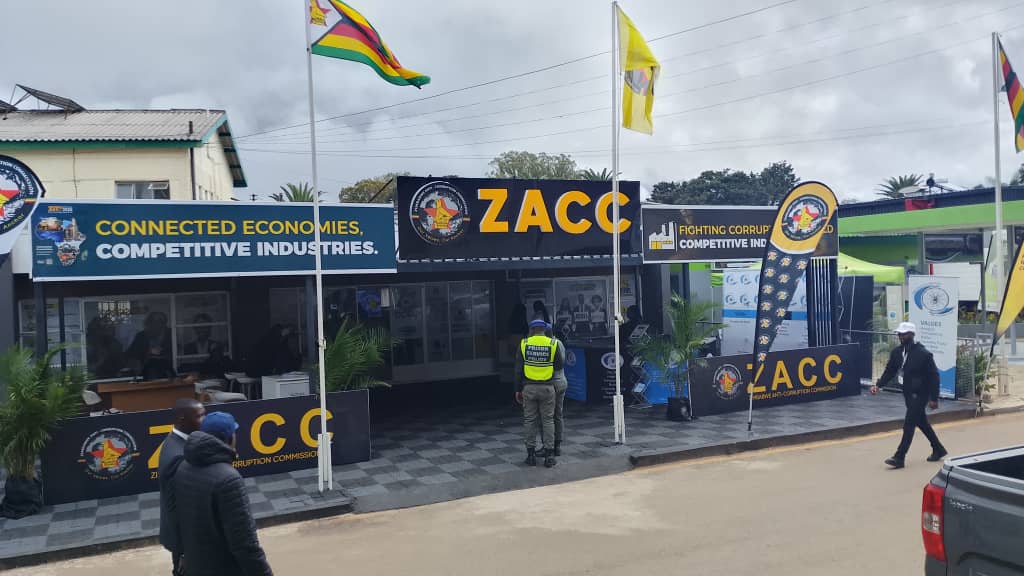
Sikhumbuzo Moyo, [email protected]
THE Zimbabwe Anti-Corruption Commission and Botswana’s Directorate on Corruption and Economic Crime (DCEC) say their growing partnership is yielding tangible results, with joint investigations and shared systems enhancing efforts to combat transnational corruption.
The collaboration is anchored on a Memorandum of Understanding signed in 2019, which has facilitated joint investigations and legal co-operation between the two anti-graft institutions.
The two agencies are jointly exhibiting at the ongoing Zimbabwe International Trade Fair, where they are showcasing the importance of regional collaboration in tackling corruption.
ZACC spokesperson Simiso Mlevu said the partnership has covered a wide range of anti-corruption activities, including awareness campaigns, investigations and knowledge exchange programmes.
“We are co-exhibiting with our counterparts from Botswana that is the Directorate on Corruption and Economic Crime. We have cooperated on so many issues that include anti-corruption awareness, investigations, and also knowledge sharing,” said Ms Mlevu.
She said the DCEC visited Zimbabwe in June last year on a learning mission to study how Zimbabwe developed its National Anti-Corruption Strategy, and this year’s joint participation at the trade fair was aimed at raising public awareness on the dangers of corruption.
“We bear in mind that corruption can be a transnational crime. If money is stolen from Zimbabwe, it can be hidden in neighbouring countries through procurement of property, moveable and immovable. So that is why we thought it important for Botswana to come and conscientise Zimbabweans on these dangers,” she said.
Ms Mlevu said the partnership has already produced practical outcomes through joint investigations, leading to arrests in both countries.
“Through joint investigations, we have managed to make some arrests in either of the two countries,” she said, citing a 2024 case in which a wanted suspect was arrested in Tsholotsho for an offence committed in Botswana.
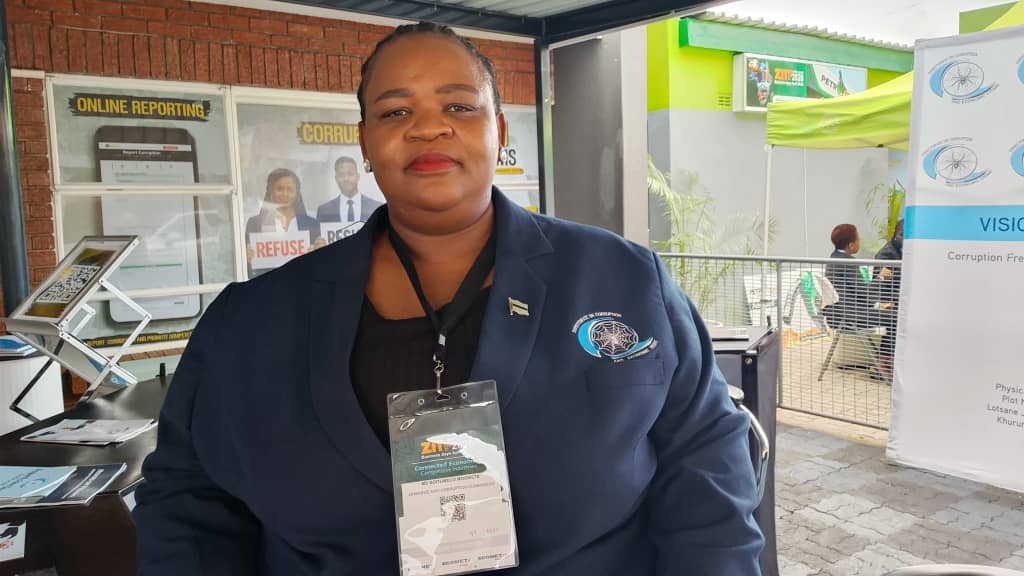
DCEC representative Boitumelo Moswete said one of the major lessons Botswana has drawn from the partnership is Zimbabwe’s use of an online corruption reporting platform, which Botswana now plans to adopt.
“We have learned a lot. There are systems that they are using which we were not having at home, such as an online reporting form. When we go back, we will implement our own,” said Ms Moswete.
She said the collaboration has also boosted public confidence in cross-border reporting systems, with some Zimbabweans now reporting corruption-related cases linked to Botswana.
“For us, that is a big achievement. It shows trust in the systems we are building together,” she said.
Ms Moswete revealed that since the signing of the MoU in 2019, about five transnational cases have been jointly handled, with the two countries relying on mutual legal assistance to gather evidence and interview witnesses.
“In all these cases, we issued mutual legal assistance requests, and ZACC assisted us in Zimbabwe to interview witnesses and collect evidence. We have also worked with the Zimbabwe Republic Police in some of these investigations,” she said.
The growing collaboration between ZACC and the DCEC reflects the changing nature of corruption, which increasingly involves cross-border financial flows and complex criminal networks that require coordinated regional responses.