Online Reporter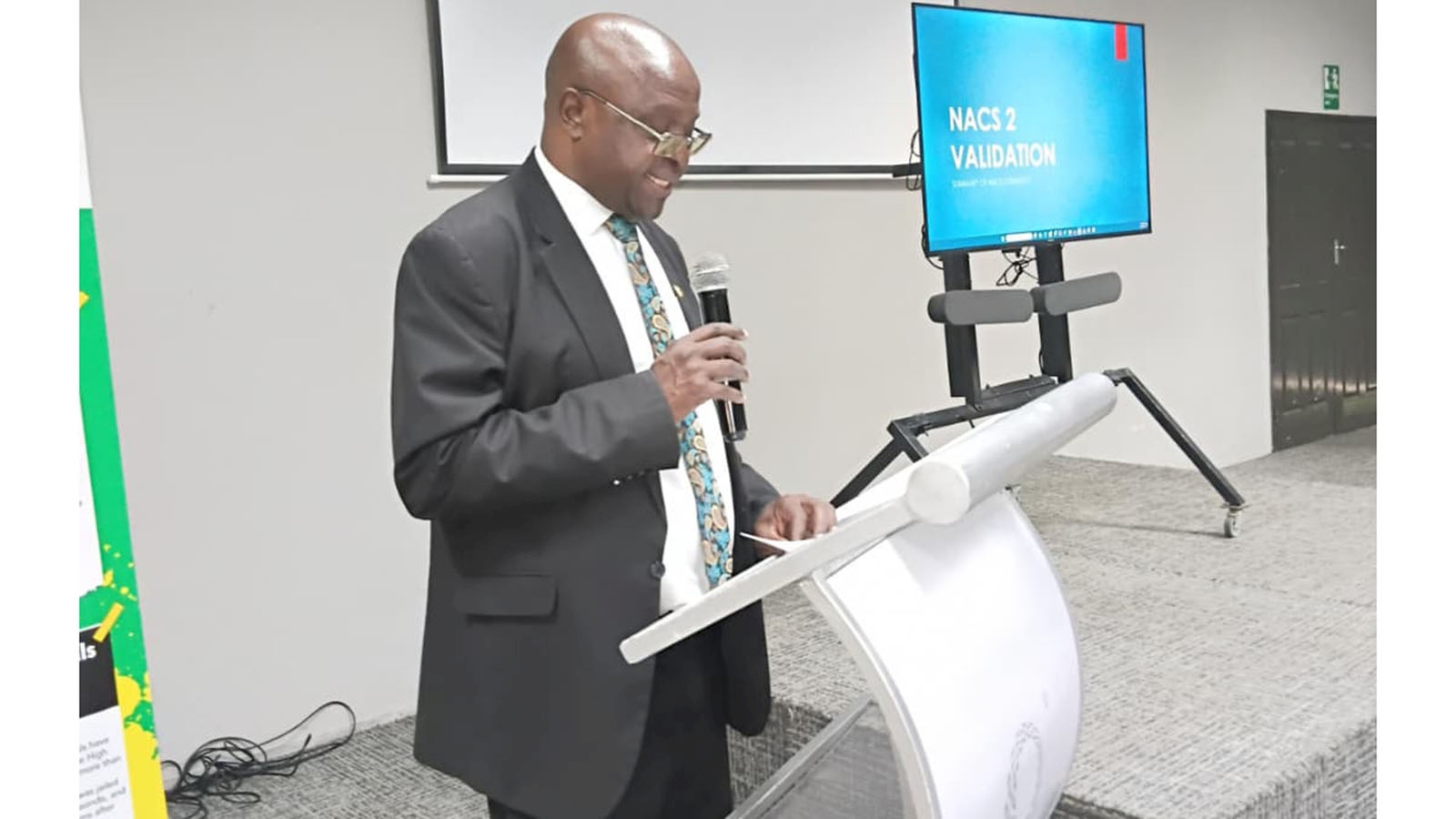
Sikhulekelani Moyo
THE Zimbabwe Anti-Corruption Commission (ZACC) is investigating major cyber-enabled fraud cases involving the VID licensing system, NetOne airtime, and fictitious ZIMRA ASYCUDA payments, as the Government rolls out new digital platforms to strengthen transparency.
ZACC chairperson Mr Michael Reza said this on Wednesday while addressing the International Anti-Corruption Research Conference in Bulawayo.
“The advent of technology has resulted in the birth of complex cyber-enabled corruption offences,” Mr Reza said.
“Digital systems are being manipulated to bypass due process and siphon public funds.”
Cases under investigation, as mentioned by Mr Reza, include the VID Licences Scam, in which he said there is suspicion that digital systems were manipulated and undeserving people were issued with driver’s licences without having gone through the necessary processes.
“As things stand, there are hundreds of thousands of people who are driving on our roads, and they are driving on hearsay and instinct,” he said.
“They know nothing about the rules of the road. This is what is happening. So, we are investigating that one.”
Another case is the NetOne airtime issue, in which Mr Reza said a cashier allegedly diverted airtime worth US$150 million from the network provider.
“The criminal case is pending in the courts, but the parallel process of financial investigations has been completed, resulting in asset forfeiture – movable and immovable,” said Mr Reza.
On ZIMRA Fictitious ASYCUDA Updates, Mr Reza said a sophisticated fraud scheme dubbed “miracle money” is under investigation. It involves the unauthorised crediting of prepayment accounts used by clearing agents with funds that did not correspond to any actual deposits in ZIMRA’s bank accounts.
“So far, over ZiG55 million and over US$260 000 are implicated,” he said.
However, Mr Reza said ZACC is increasingly relying on open-source intelligence from Facebook, Instagram and other digital platforms to initiate unexplained wealth order investigations.
To respond to digital crime, ZACC is pursuing several reforms.
“ZACC is in the process of setting up its own forensic laboratory. For now, the Commission is using the Zimbabwe Republic Police (ZRP) laboratory,” said Mr Reza.
He added that officers are undergoing training in forensic accounting and fraud investigation, and several training sessions have been conducted for investigators to help them understand cryptocurrencies and blockchain technology.
The Commission is also working to link its internal electronic case management system to the Justice Service Commission’s Integrated Electronic Case Management System.
Mr Reza listed skills gaps, low public awareness, and the digital divide as key obstacles.
“There is a serious skills gap, which is being mitigated through training,” he said.
“There are low awareness levels among members of the public. The digital divide slows traction in the fight against corruption. Access to the internet and digital technology remains relatively low.”
Officiating at the conference, Provincial Affairs and Devolution Minister Judith Ncube, who was represented by director of coordination Mrs Boetsoarelo Noko, said the Government was anchoring anti-corruption efforts in the National Development Strategy 2 (NDS 2), 2026 to 2030.
“NDS 2 prioritises economic transformation, inclusive growth, science and technology, digital innovation, human capital development, job creation, youth empowerment, devolution and governance reforms,” said Minister Ncube.
She said the Government launched the National Artificial Intelligence Strategy 2026-2030 in March, which guides the responsible use of artificial intelligence to accelerate development in agriculture, health, education, finance and public administration.
The strategy, she said, is anchored on talent development, digital infrastructure, sector adoption, governance and ethics, as well as research and innovation, international cooperation and our African values.
Minister Ncube highlighted digitisation initiatives including ZIMConnect, e-Government portals, the Tax and Revenue Management System, TelOne’s Omni Centre, e-gates at immigration, and the use of body-worn cameras, drones and smart traffic systems by the ZRP.
“The theme of this conference – ‘Leveraging Disruptive Technologies to Strengthen Anti-Corruption Strategies’ – is both timely and relevant,” she said.
“Data analytics and artificial intelligence can strengthen integrity by detecting fraud and improving accountability.
“However, these tools assist, but do not replace, investigators, auditors and managers.”
She cautioned that the same technologies can be abused through false documents, synthetic identities, fabricated invoices, and manipulated audio and video, while digital transactions enable cross-border money laundering.
“Our response must therefore include strong cyber security, reliable identity management, sound records management, and clear rules on access to information,” she said.
“Allow me to remind you that a system is only as trustworthy as the data fed into it and the controls around it.”
Minister Ncube said Zimbabwe and Africa must build local capability, adding that they should not remain permanent consumers of systems whose assumptions and data we do not understand.
“We need local researchers, local datasets, local skills, and solutions that reflect our legal and institutional environment,” she said.
“As we embrace technology to aid the fight against corruption, I caution that technology is not the centre of this fight. People are.
“Our task is to combine the best of technology with the best of public service: strong laws, credible enforcement, sound evidence, ethical leadership, capable institutions and responsible innovation. This is how technology can become an instrument of integrity rather than another source of risk.”
Running under the theme “Leveraging Disruptive Technologies to Strengthen Anti-Corruption Strategies”, the second edition of the research conference brings together researchers, academics and technology specialists to explore innovative digital solutions to the fight against corruption.
The conference is being organised by ZACC, in collaboration with Bindura University of Science Education (BUSE) and the Research Council of Zimbabwe (RCZ).
For three days, delegates will discuss the role of AI, data analytics, digital forensics and other disruptive technologies in enhancing transparency, accountability, and the detection and prevention of corruption.