Online Reporter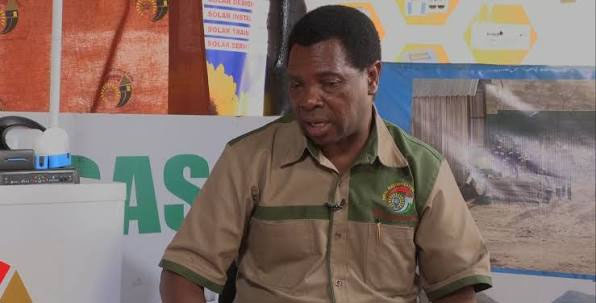
Lovemore Kadzura
Post Reporter
FOR generations, darkness blanketed Zamuchiya Village in Chipinge District as soon as the sun dipped below the horizon, limiting economic activity, disrupting learning and making access to essential services a daily challenge.
Today, that long-standing reality is being rewritten.
A partnership between Rural Electrification Agency (REA), United Nations Development Programme (UNDP) and Econet Wireless Zimbabwe has delivered a 50-kilowatt solar mini-grid to the community, bringing electricity to the area for the first time in its history.
The landmark project has connected 133 homesteads, two schools, a clinic and a business centre, ushering in a new era of social and economic transformation for the remote community.
For villagers, the arrival of electricity means far more than illuminated homes. Learners can now study after sunset, health workers can improve service delivery, and local entrepreneurs have an opportunity to expand their businesses beyond daylight hours.
REA public relations manager, Mr Johannes Nyamayedenga, said the initiative demonstrates the power of collaboration between Government, development partners and the private sector in accelerating rural development.
“The 50-kilowatt community solar mini-grid in Ward 23 of Chipinge District is providing electricity to Zamuchiya Primary and Secondary schools, a business centre, clinic, church and community hall. There are also 133 homesteads in Takunda and Kubatana villages benefiting from the project.
“The business centre has 11 shops. The primary school has 1 236 learners and 35 teachers, while the secondary school has 182 learners and six teachers. The clinic has 10 staff members. The project was completed on August 18 and commissioned for use by the community for both domestic and commercial purposes.
“There is also an Econet Wireless Zimbabwe base station. Equipment for the solar plant, including charge controllers, inverters and other accessories, was provided by Econet Wireless Zimbabwe. This is a tripartite venture involving REA, UNDP and Econet. REA and UNDP constructed the power lines connecting institutions and homesteads. UNDP invested US$68 000 in line materials, Econet contributed approximately US$350 000, while REA invested substantially, including providing labour,” said Mr Nyamayedenga.
The business centre is expected to be one of the biggest beneficiaries of the project, with electricity opening doors for enterprises that were previously impossible to establish in the area.
Businesses such as butcheries, welding workshops, refrigeration services, carpentry shops and tailoring enterprises can now thrive, creating employment opportunities and stimulating local economic growth.
Ward 23 councillor, Councillor Shingi Gapara, described the electrification project as a dream fulfilled and a catalyst for development.
“The connection of electricity is a dream come true for us. This project will accelerate development across many sectors. Electricity is a key driver of economic growth, and our community has been empowered through this investment.
“Our schools can now introduce Science and Technical subjects that were previously unavailable. This means our children will enjoy opportunities equal to those of learners in electrified schools elsewhere.
“Previously, our schools experienced high staff turnover as teachers sought transfers to institutions with electricity. We expect that challenge to ease. The local clinic will also benefit immensely through the refrigeration of essential medicines and vaccines,” said Councillor Gapara.
For local businessman Mr Conilias Mandhlazi, the arrival of electricity has already inspired plans to diversify and expand his operations.
“This is a major boost for our business. We could not stock perishable products because we had no reliable power supply. Now we are planning to open a butchery and offer refrigerated products to customers.
“We are grateful for this investment because it is not only benefiting businesses, but the entire community,” he said.