admin
admin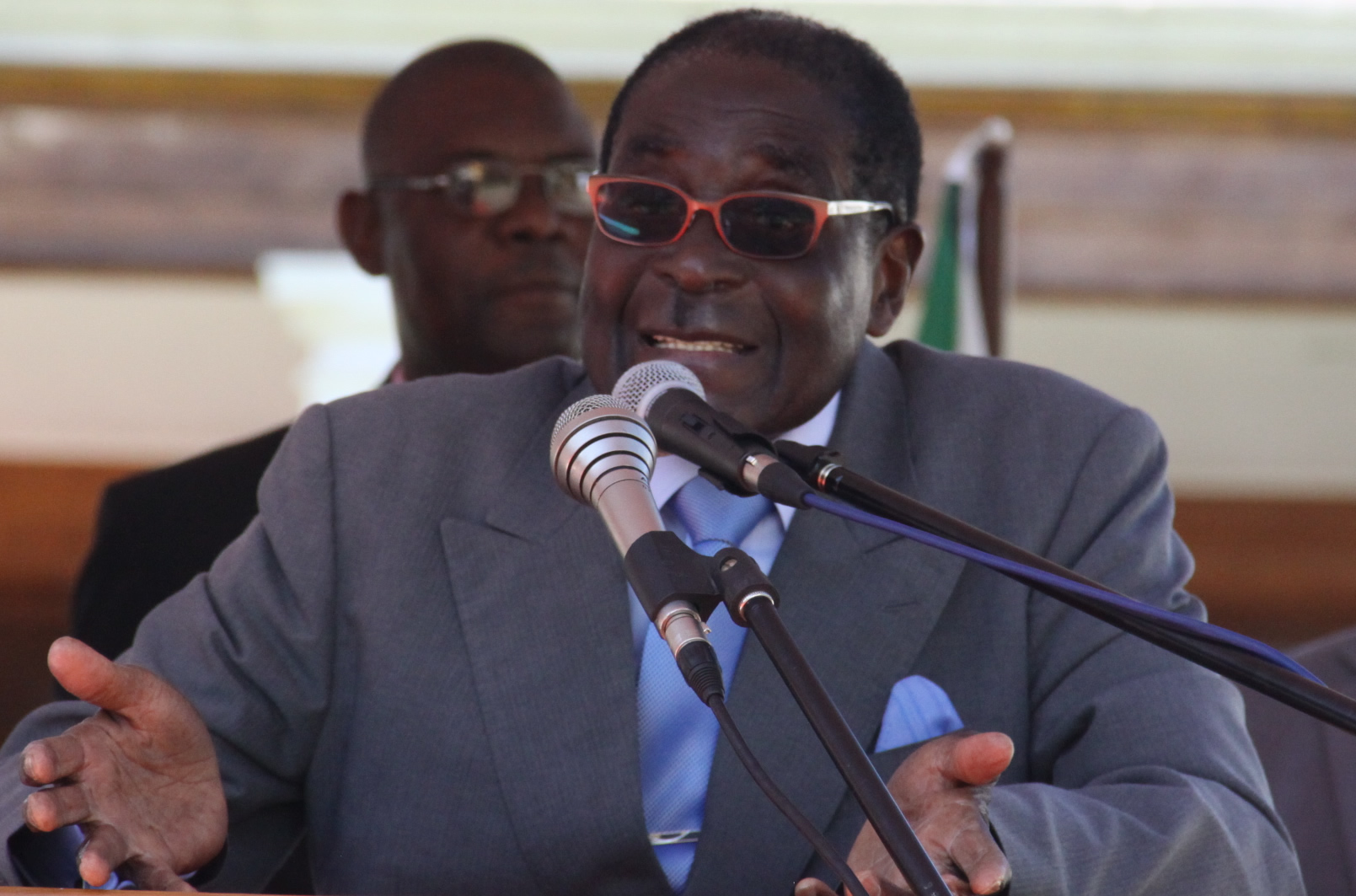
AFTER winning the harmonised elections resoundingly with more than two-thirds majority and 61 percent of the presidential vote, Zanu-PF must, in the next five years, restore the country’s economy, improve the lives of Zimbabweans and fulfill the promises it made in its 2013 election manifesto. President Mugabe polled more than two million votes while the revolutionary party won 160 National Assembly seats.
Expectations are high that Zanu-PF will reshape the country’s economic, social and political future. The economy is expected to turn the corner and everything rests with the forthcoming Zanu-PF government to address the people’s concerns despite the pressure of illegal western sanctions that the defeated MDC-T leader Mr Morgan Tsvangirai unashamedly campaigned for.
The people expect the indigenisation and economic empowerment programme, the trump card of the revolutionary party in this election, to move the country forward. A lot has been done already in that respect. We have slightly more than 50 community share ownership trusts at various stages of development countrywide.
Those that are operating in Mhondoro-Ngezi, Zvishavane, Shurugwi, Hwange, Gwanda, Masvingo, Zimunya and Bindura, have spawned tremendous economic and social infrastructural development in areas that were previously lagging behind in terms of development. Many employee share ownership trusts have transformed mere employees to shareholders in successful companies. People rightly expect this broad economic empowerment strategy to be intensified in the next five years, in much the same way the land reform programme has been since its launch in 2000.
The new Zanu-PF government is also expected to come up with a strategy to revive industries across the country. The reopening of industries is also expected to create employment for the majority of the jobless workers who have been reeling under sanctions-induced poverty.
Funds for such revival can be sourced locally as Zanu-PF says in its manifesto or can be sourced externally from trustworthy institutions in Asia, Brazil and Russia. We have learnt tough lessons in recent years of illegal economic sanctions that depending on investment and aid from Europe and America can be risky.
The revival of our manufacturing sector would make it possible for the economy to rid itself of its present ignoble status where the economy has become a retailer of imported goods from South Africa, China, Brazil, and even Botswana.
It is important that while we stimulate involvement of locals through the economic indigenisation strategy as owners of businesses, the new Zanu-PF government should also not lose sight of the fact that not everyone can be an investor. There are those who would need jobs, so job creation is vital as well. The party manifesto recognises this. The theme of the campaign was “indigenise, empower, develop and create employment.”
Its various empowerment initiatives are expected to create 2 265 million jobs, according to the manifesto. So job creation is or must very much be an integral part of the programmes to be implemented in the next five years.
Creation of investor confidence is also one big task Zanu-PF should take into consideration. That confidence, however, must be based on a clear understanding of the overriding thrust of the new government to indigenise the economy and empower its citizens. All foreign investment must acknowledge that Zimbabweans have a right to play a key role in their economy.
The policy is clear, so anyone coming to invest would do so confidently and with a clear mind of the legislative and constitutional framework obtaining on the ground. This encourages investor confidence.
In the past five years, the inclusive Government failed to turn around the country’s economic fortunes as there was too much discord. Now that the people have spoken and given Zanu-PF the mandate, we expect consistence and stability at policy development and implementation levels in a manner that promotes sustainable national development.
It was common, in the past five years, for one side of government to push for improvement of civil servants’ salaries, but another part of the same government would refuse. The Zanu-PF side wanted more government support for the agriculture sector and industrial revival, but MDC-T opposed this. But now that we have one political party being in control of parliament, thus able to form a government, we expect more policy consistency.
Zanu-PF, during its intense three-week campaign assured all ratepayers across the country that the bills they owed to local authorities would be cancelled. That promise, if implemented, would remove millions from debt traps; many were unlikely to come out on their own any time soon. Urbanites want relief from debts.
In any case many of the debts cannot be fully explained. Some ratepayers owe Zesa and councils as much as $5 000 and the utilities have been threatening to seize people’s properties such as houses for failure to pay off the debts. When the new administration assumes office, millions of Zimbabweans labouring under unjustified debts expect the promise to be fulfilled.
One of President Mugabe and Zanu-PF’s greatest achievements over the past three decades is that they delivered land to the majority. Up to 280 000 households are now on the land, prime land, that for about a century was owned by whites who secured it by military conquest and a litany of draconian laws.
Now they are successful on the land, their livelihoods have vastly improved. The revolutionary party should ensure that the land reform programme is consolidated. Farmers must get that assurance that the programme is irreversible.
At another level, the Zanu-PF government also needs to promote and support the farmer with all the required resources. Before 2009, farmers benefited from subsidised seed, fertiliser and chemicals. They also benefited under the farm mechanisation programme. The support dried up as soon as the inclusive Government came in the picture. Farmers were told to go it alone.
They were told to seek support from the open market. However, the challenge was that many farmers did not qualify for loans because they don’t hold title deeds to the land they are working on. The few that could provide collateral, could only access short-term finance yet agriculture requires long term finance.
We must point out that the hands-off stance by the inclusive Government on agriculture is actually unheard off anywhere in the world because this critical sector almost always gets government support. This happens even in the capitalist West despite the fact that subsidies are generally held as counter-productive.
Here in Zimbabwe, Finance Minister Mr Tendai Biti of MDC-T even bettered the classical capitalists themselves in terms of his total refusal to fund the agricultural sector.
For us, public support is much more important because many of our farmers are only a few years on the land following the reforms, so they are in desperate need for flexible support from the Government to ensure that begin to use the land more meaningfully.
In a recent interview, Zanu-PF National Chairman, Cde Simon Khaya Moyo said the revolutionary party would prioritise people-centred programmes. He said the win by Zanu-PF was good for the country, as it meant the turning point for the country and its people who suffered under the inclusive Government.
He said the revolutionary party would ensure that civil servants enjoyed improved working conditions as opposed to the previous years when MDC-T controlled ministries failed to address the plight of Government workers.
The mining industry is expected to boost the country’s critical government sectors. Diamonds, gold, platinum, coal, among other minerals hold the key to that.
Zanu-PF, no doubt won this election so overwhelmingly because of its people-oriented programmes and policies.
The people voted the party back into office after five years of a power-sharing government because they have confidence in the revolutionary party’s programmes and policies. Therefore, they are looking forward to the party fulfilling its promises.
As the party celebrates, it must remember that it has to get back to work soon. It must be in a permanent delivery mode for; any prolonged rest would disconnect it from the masses, from whom every political mandate derives. We have had positive signals already, which is reassuring. Cde Khaya Moyo has spoken; Cde Saviour Kasukuwere, the Minister of Youth Development, Indigenisation and Economic Empowerment has done the same saying the indigenisation programme would be intensified while party spokesman, Cde Rugare Gumbo has spoken on the critical issue of the possible return of the local currency.
Cde Gumbo made it clear that the local currency would not return anytime soon, dispelling rumours from opposition circles that Zanu-PF would reinstate the Zimbabwe dollar in the next few months.



 Online Reporter