Online Reporter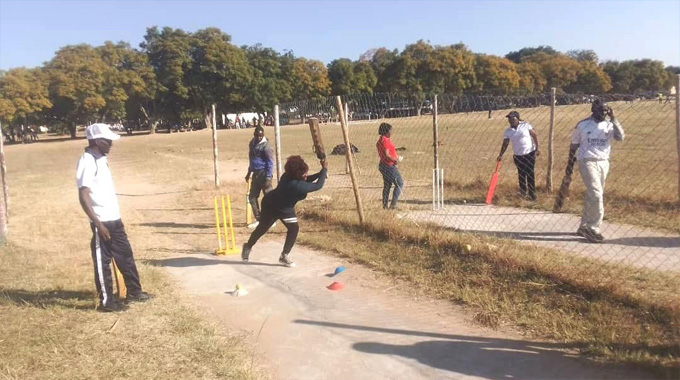
Zimpapers Sports Hub
ZIMBABWE Cricket (ZC) has announced that 241 participants have been trained under its grassroots development initiative, Cricket Kumusha, Cricket Ekhaya.
The participants were trained in coaching and umpiring courses across the country between January and April this year.
The development drive, targeting rural communities, included basic coaching, Level 1 coaching, and Grade D umpiring courses conducted in all 10 provinces. It attracted both male and female participants.
The training sessions were hosted at schools, teacher training colleges, and sports clubs, signalling growing interest in cricket at grassroots level.
Of the 241 participants trained during this period, 191 received basic coaching certification, 19 completed Level 1 coaching, and 31 undertook umpiring training.
Courses were held in Harare, Manicaland, Mashonaland Central, Mashonaland East, Mashonaland West, Bulawayo, and Matabeleland South, with notable support from schools and provincial sports officials.
At Belvedere Teachers College alone, 60 physical education students were trained, creating a pool of educators equipped to promote the game in schools.
Similarly, courses held in areas such as Chipinge, Gwanda, and Mvurwi drew participants from multiple districts, reflecting strong regional interest.
“This marks a significant milestone in our quest to take cricket to every corner of Zimbabwe. What’s particularly encouraging is the diverse participation, including teachers, club representatives, community members, and even members of the police service,” said Lazarus Razau, ZC’s Coach Education Officer and Cricket Kumusha, Cricket Ekhaya programme coordinator.
ZC managing director Givemore Makoni described the initiative as a cornerstone of the organisation’s vision for inclusive cricket development.
“Cricket Kumusha, Cricket Ekhaya is more than just a training programme, it’s about transforming lives through sport. By investing in grassroots coaching, umpiring, and talent identification, we are laying the foundation for future national players from rural communities,” he said.
The next phase of the programme will include establishing local leagues, enhancing school competitions, and conducting scoring courses to complement the umpiring training.
Despite challenges such as limited facilities and competition from more traditional sports, ZC remains committed to scaling up the project.
Plans are in place to upgrade playing fields like the Esigodini Cricket Ground and to provide more plastic bats and soft balls to beginner teams.
“From Gwanda to Murehwa, from Karoi to Chipinge, we have seen that the hunger for cricket is there. Now it’s our job to feed it,” said Makoni.