Sikhumbuzo Moyo [email protected]
ZIMBABWE Electoral Commission (ZEC) employees involved in voter registration and voters’ roll management have been assured that they will not lose their jobs following the transfer of the functions to the Civil Registry Department.
The assurance comes as the handover-takeover process between ZEC and the Registrar-General’s Office gathers pace following constitutional changes that reassigned voter registration responsibilities to the Civil Registry Department.
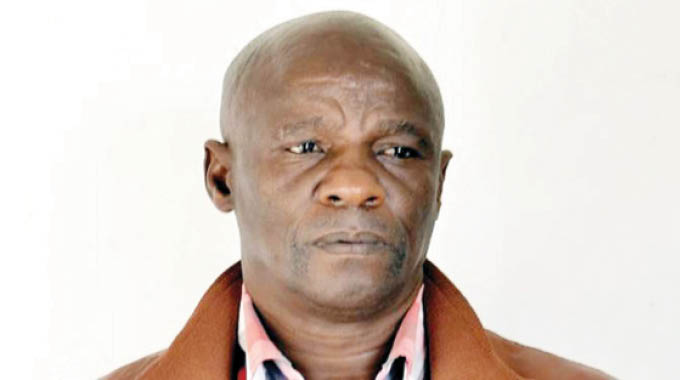
In an interview on the sidelines of a workshop in Bulawayo last week, ZEC chief elections officer Dr Simbarashe Tongayi said the commission had 93 experienced employees who had been responsible for voter registration and delimitation and efforts were being made to retain their expertise within the new system.
“You need to understand that when the law was enacted, ZEC used to have a department we called voter registration and delimitation, and it was staffed by 93 members. We no longer have that department now and, as the Registrar-General said, these were very experienced personnel in ICT,” he said.
Dr Tongayi said the Registrar-General’s Office had indicated that it was willing to accommodate the ZEC personnel, a move that would help preserve institutional knowledge and ensure continuity during the transition.
“If you look at it now, the voter registration and delimitation function was decentralised and we have 68 electoral districts, each with one person. Administratively, we think it is very noble and strategic for the Civil Registry to consider taking in our staff,” he said.
Dr Tongayi said retaining the experienced personnel would also facilitate a smoother transfer of systems and responsibilities.
He said it will also create stability for the handover-takeover process.
Dr Tongayi gave an assurance that the transfer would not result in retrenchments.
“What I want to assure the nation is that, at policy level, there is no one who is going to be affected in terms of retrenchment. Everyone is going to be accommodated, everyone is safe. There will be no job losses, that I can assure,” he said.
The transfer follows Constitutional Amendment No. 3 of 2023, which reassigned voter registration functions from ZEC to the Registrar-General’s Office.
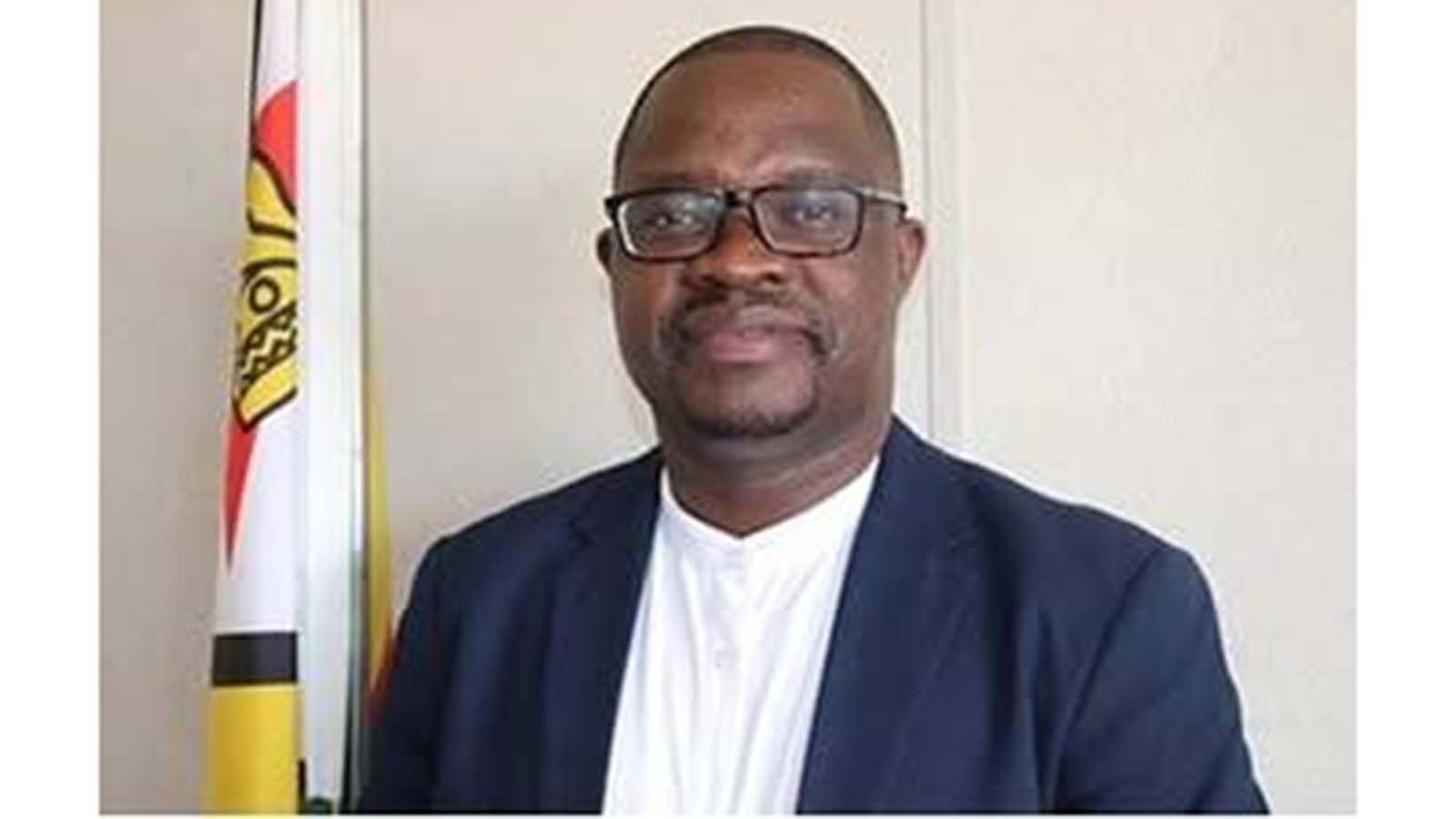
Deputy Chief Secretary in the Office of the President and Cabinet, Mr Zvinechimwe Ruvinga Churu, who was represented at the workshop by Bulawayo Provincial Affairs and Devolution permanent secretary Mr Paul Nyoni, said the transition was a constitutional requirement rather than simply an administrative change.
“We should operationalise the constitutional adjustment introduced by Constitutional Amendment No.3 Act of 2023, which, among other things, transferred the voter registration functions from the Zimbabwe Electoral Commission to the Office of the Registrar-General,” he said.
“This is not merely an administrative exercise, but rather a constitutional and institutional milestone that speaks to our nation’s collective resolve to strengthen our democratic processes in line with the supreme law of the land. In other words, this is a constitutional imperative.”
Mr Nyoni said the amendment had changed the institutional framework governing voter registration by placing the function under the Registrar-General, who is already responsible for maintaining the National Population Register.
“The Registrar-General is the custodian of the civil registry, that is, the National Population Register, which records the births, deaths, marriages, and indeed the identity of every citizen,” he said.
“He is best placed to ensure that the voters’ roll is a seamless and accurate reflection of our citizenry.”
The integration of voter registration with the national civil registration system, he said, was expected to reduce duplication, address discrepancies and contribute towards maintaining an accurate and up-to-date voters’ roll.
“This constitutional amendment was not merely administrative convenience, but a deep-seated commitment to enhance the integrity, credibility and efficiency of our electoral system by integrating voter registration into the national civil registration framework,” said Mr Nyoni.
He said the transfer should not be viewed as weakening ZEC, but rather as clarifying and realigning the responsibilities of State institutions.
“This transition does not in any way diminish the role of ZEC; rather, it refocuses and specialises the mandates of our institutions, ensuring that each centre of statute performs the function for which it is most appropriately and constitutionally suited,” he said.
Mr Nyoni urged officials involved in the handover to ensure that the process was conducted efficiently without compromising the integrity, security and accuracy of voter-registration information.
“The speed of this transition is important. We operate in an environment where our nation is preparing for electoral processes,” he said.
The transition is being implemented through engagements between ZEC and Civil Registry officials at national, provincial and district levels.
The two institutions are expected to work closely to ensure that voter-registration services continue without interruption as responsibility for the function shifts to the Civil Registry Department.
The retention of ZEC’s experienced personnel is expected to provide the new system with institutional memory while minimising disruptions during the transition and helping preserve the continuity of voter-registration services.