Thupeyo Muleya Beitbridge Bureau
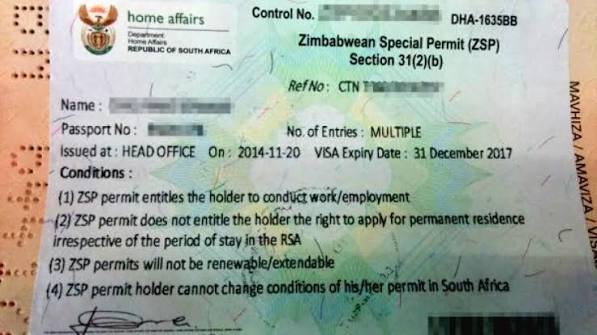
The Zimbabwe Exemption Permit [ZEP] Coordinating Committee has issued an urgent appeal to the governments of South Africa and Zimbabwe to protect thousands of school-going children displaced by the ongoing anti-migrant protests and forced deportations.
In a press statement on Sunday the ZEP National Coordinator, Mr Edward Muchatuta said the committee was receiving distressing reports daily from its provincial coordinators in South Africa about families being uprooted, with some children returning to Zimbabwe and others going into hiding.
“Our greatest concern is the future of thousands of school-going children,” said Mr Muchatuta.
“The 2026 Matric class in South Africa faces the threat of missing their final National Senior Certificate exams scheduled for November. Many Grade 12 learners are being pulled out of school as their parents and guardians are deported, raising fears they will not be able to prepare or sit for the exams.
“Learners in Grades 10 and 11 are also in crisis. Having spent more than 11 years in the South African CAPS curriculum, including SA languages, the committee says it is virtually impossible for them to integrate into the Zimbabwean syllabus and sit for final Zimsec exams in under three years. Without intervention, a 19-year-old in Grade 11 could only complete high school at 22 or 23.”
He added that learners at primary level, especially the Grade 7 pupils were also affected considering that the registration for Zimbabwe’s national exams closed in March and children arriving in the country now are not eligible to transition to Form 1 in 2027.
Mr Muchatuta noted that most affected families are from low-income households, mainly domestic workers, who are returning to Zimbabwe unemployed.
To avert a generational loss, the ZEP Coordinating Committee proposed emergency measures which include allowing affected learners to continue with the South African syllabus in Zimbabwe and establishing joint examination centres in Beitbridge and/or at the Messina Repatriation Centre for the Matric class of 2026.
“The committee has qualified teachers and tutors willing to support such programs if both governments create an enabling environment,” said Mr Muchatuta.
The statement also raised concern over the arrest of documented migrants by local police, dismissals by employers to avoid paying benefits, and unpaid UIF and tax refunds.
“This approach appears designed to force migrants to abandon their money, similar to what happened during the Wenela era nearly half a century ago. This is unjust and must not be repeated,” warned Mr Muchatuta.
“If we fail to act now, we are creating a crisis that will affect both nations. These are innocent children. They deserve a chance to complete their education with dignity.”