Online Reporter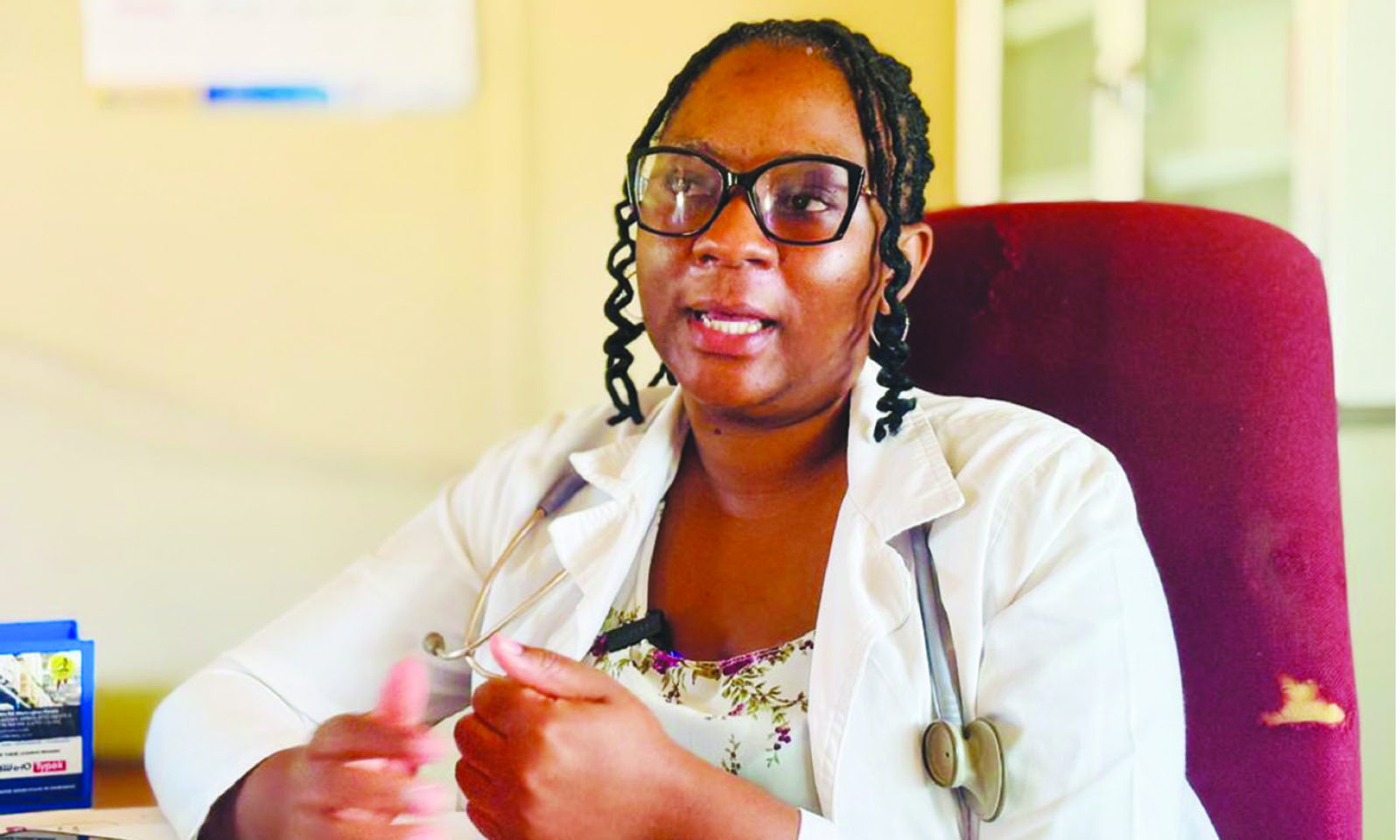
Yeukai Karengezeka
Features Correspondent
In Chegutu District, a quiet revolution is taking place as the fight against zero-dosage cases in children gains momentum.
The Ministry of Health and Child Care, in collaboration with Crown Agents, is spearheading the “Zero Dose” project.
This initiative is designed to ensure children under five, who have never received immunisations, now have access to life-saving vaccines.
It also includes children who had been defaulting on immunisation.
The programme, which has turned into a lifeline for many, is part of the Government’s broader strategy to leave no one behind in accessing healthcare services.
The results are already promising.
During a media tour on Thursday, Chegutu district medical officer, Dr Sandra Mhuriro, shared the progress made so far.
“There has been a significant improvement. Children are being brought for vaccination and immunisation. We are working in 24 facilities where 24 village health workers have been trained to identify zero-dose children who missed critical vaccines like BCG and M2, among others.”
These health workers play a pivotal role, engaging with communities, while partnering with local leaders, such as village heads and other influential figures.
They educate people on the importance of immunisation and direct families to clinics.
For hard-to-reach areas, the project deploys mobile teams supported by GAVI and the Expanded Programme on Immunisation (EPI).
“These teams go out to vaccinate children in remote locations so that families don’t have to walk long distances or spend money to access clinics,” she explained.
The initiative is not just about vaccines. According to Dr Mhuriro, the monthly EPI outreaches integrate other services such as physiotherapy, dental care, HIV testing and prevention of mother-to-child transmission (PMTCT).
“This way, its not only the children who benefit. Even caregivers get something out of these campaigns,” she said.
Despite the progress, challenges persist, especially in communities dominated by apostolic sects that forbid members from seeking medical services.
However, change is happening, albeit slowly.
“Some mothers now meet with health workers secretly in the bushes to have their children vaccinated,” revealed Dr Mhuriro.
“They ask us not to document anything because their husbands or church leaders would not approve. But the fact that these mothers are coming forward shows progress.”
Some mothers visit clinics or village health workers’ homes discreetly in the evening to have their children immunised, avoiding the risk of being seen by fellow church members.
For those who are courageous enough to visit clinics or hospitals during the day, they are given priority to ensure they are attended to quickly and without unnecessary delays. Misinformation, often spread through social media, is another barrier.
Dr Mhuriro noted that some people falsely believe vaccines cause autism.
“We tackle this through education, using studies to show there’s no harm in immunisation,” she said.
The project’s impact is evident in Chegutu’s vaccination coverage.
Before the programme began, the district was one of the worst-performing in the country, with coverage below 80 percent in 2020. Today, that figure has risen to over 93 percent.
One mother, 37-year-old Gonye from Uhurunakazi Ward 20, shared her story of transformation.
“For 20 years, I was a strong believer in an apostolic church that forbade medical services. I had eight children, but lost two to tetanus and yellow fever. That is when I started listening to health workers who visited us, teaching about the importance of immunisation.”
Since then, Gonye’s remaining children have been vaccinated, and their health has significantly improved.
Her husband, who was also a member of the apostolic sect, now allows her to take their children to the clinic.
However, not everyone has embraced the change.
In Mupfure, a polygamous apostolic family shared their opposing views.
“We don’t believe in going to the clinic,” one of the wives said. “We treat our children through water, prayers, cooking oil among other things.”
The family, consisting of four wives and 17 children, admitted they had lost some children, but refused to disclose the numbers or causes of death.
They also acknowledged that outbreaks like measles often spread through their household, as they prefer natural immunity over vaccines.
Village health worker, Mrs Annah Chigodo, highlighted other challenges in the district.
Many families are nomadic miners who frequently move in search of minerals, disrupting immunisation schedules.
“Some people travel 10 to 12 kilometres to the nearest clinic, which discourages them from bringing their children,” she said.
Additionally, mothers working on farms often are not granted time off to take their children for vaccinations.
The “Zero Dose” project is turning the tide in Chegutu. The district’s improved immunisation rates are a testament to the collaboration between health workers, local leaders, and the community.
Yet, as Dr Mhuriro noted, the journey is far from over.
“We are not there yet. There is still a lot of work to do, but the progress we have made so far is encouraging.”
For mothers like Gonye, the project has been life-changing.
“I have never lost another child since I started vaccinating them. I am grateful for the health workers who showed me the light.”
As the fight against zero-dosage cases continues, Chegutu is proving that with education, outreach, and determination, no child has to be left behind.



 Bongani Ndlovu