Rutendo Nyeve [email protected]
POWER utility, ZESA Private Limited is spearheading a critical regional push for climate-proofing and aggressive market reforms within the Southern African Power Pool (SAPP), as the country chairs the Markets Sub-Committee (MSC) meeting currently underway in Victoria Falls.
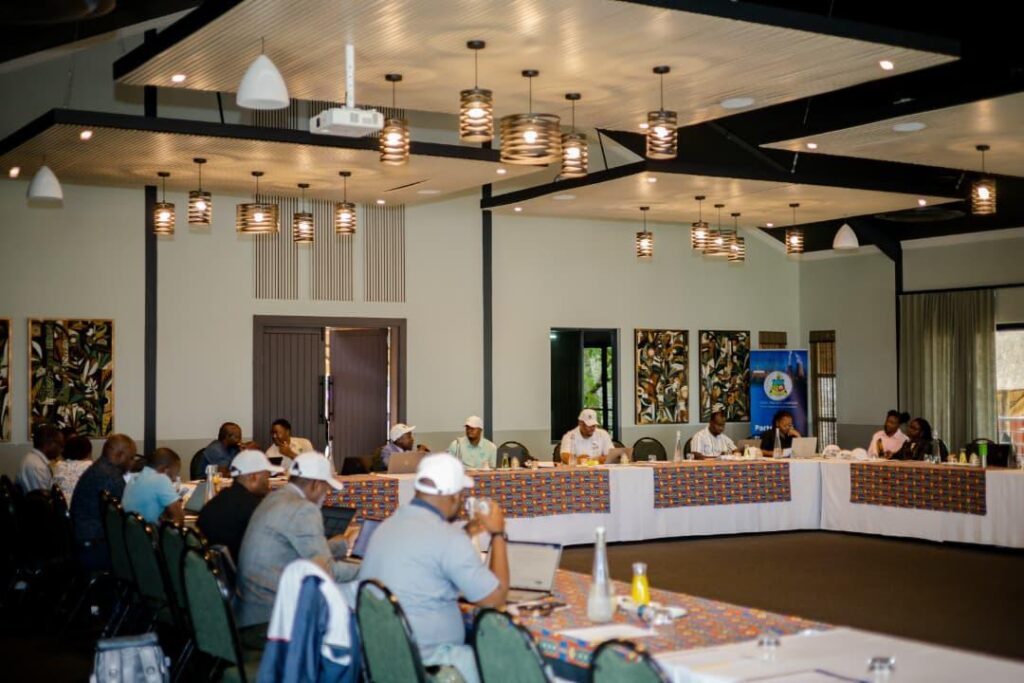
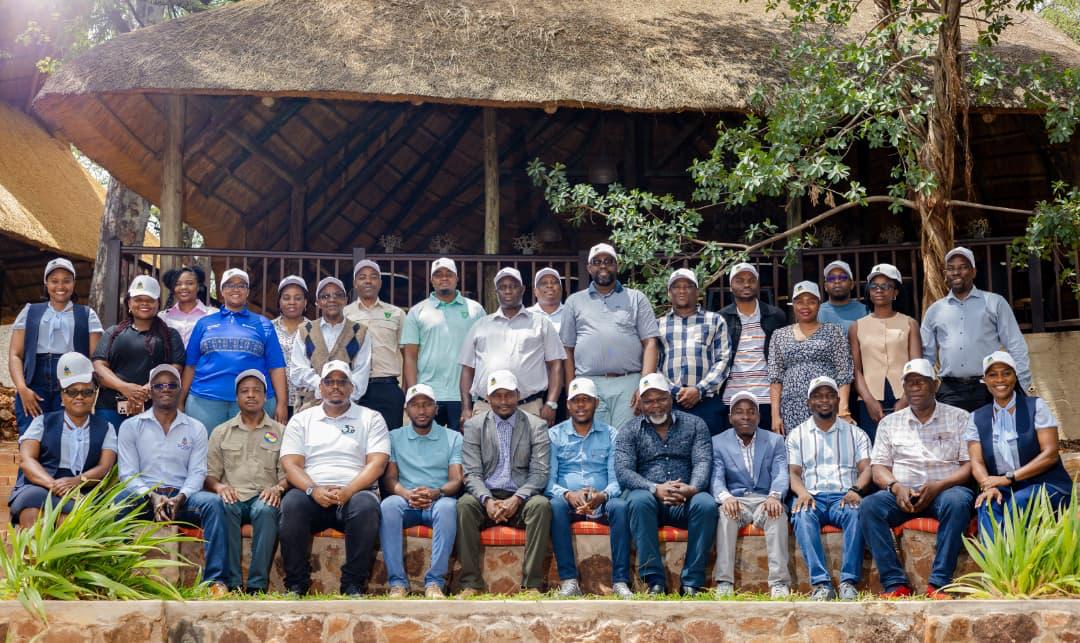
The high-level, three-day strategic meeting, ending today (Thursday) brought together key stakeholders and utilities from across the region to deliberate on the future of electricity trading.
Having recently assumed the chairmanship of the MSC, ZESA is using its tenure to champion the integration of renewable energy and the creation of robust financial markets to ensure sustainable power supply across the SADC region.
Addressing delegates during the opening session, ZESA Senior Manager Trading and System Operations, Engineer John Diya said the region must urgently adapt to changing climatic conditions and modernise its trading mechanisms.
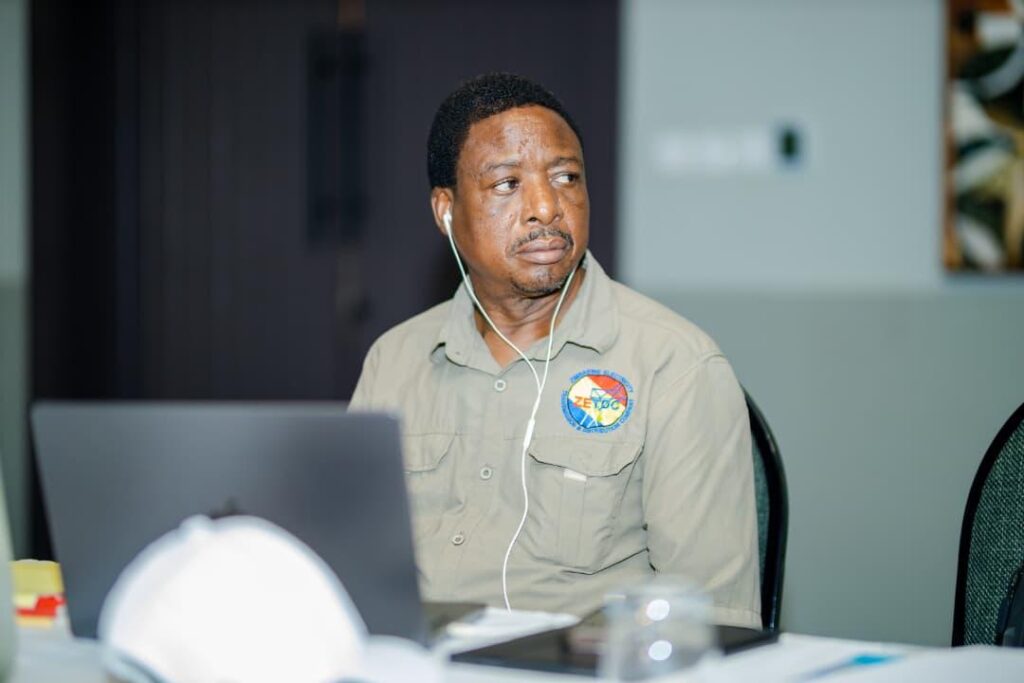
“ZESA recognises the critical role that coordinated market strategies play in optimizing resources and their utilization, enhancing cross-border trade, and supporting economic growth for our nations,” said Eng Diya.
“We look forward to market growth by way of supporting existing products and by way of introduction of new products, all happening in a dynamic and reforming environment.”
Eng Diya underscored the necessity of building a resilient energy sector, warning that Southern Africa must brace for extreme weather patterns.
“We have heard that the southern African part of the continent will experience severe weather. As we look ahead, we definitely need to hammer a lot on climate proofing, so that come rain, come sunshine, we are always ready to satisfy the demands of our various clients across the board,” he said, adding that strategies must be developed to enhance market transparency, improve trading
mechanisms, and integrate renewable energy resources effectively.
He said there is urgent need for the SAPP to evolve, saying while it is recognised as one of the most advanced power pools in the world, it has lagged in developing specialized competitive markets.
“The Southern African Power Pool is silent when it comes to renewable energy products on the competitive market. We are silent when it comes to financial market products, and that obligation for those products to be realized sits with this committee,” he said.
“Market reforms are happening in various utilities and countries that will compel us to change, transform, innovate, and adapt. One of the purposes of this meeting is to ensure that we remain relevant in the market.”
He reaffirmed ZESA’s commitment to aligning its regional leadership with the broader developmental goals of the continent.
“ZESA Private Limited will do its best to support the aspirations of the southern African governments, to support aspirations of SADC, and to support aspirations of the African Union in the advancement of electricity markets,” he said.
Beyond the technical and climatic discussions, Eng Diya also called for better corporate governance and resource management among member utilities.
He raised concerns over meeting fatigue, noting that the same officials are often deployed to multiple regional workshops, leaving them exhausted and unable to contribute effectively.
“It is important that going forward, utilities be strongly encouraged to assign distinctive roles to participants at different levels so that we do not burden the same people,” Eng Diya advised.
He also urged the committee to move away from split views when reporting to higher offices, calling for consensus-building and aligned objectives.
The committe featured critical discussions on the Long Term Exchange-traded Contract (LTEC), the World Bank Guarantee product, Transmission Capacities Reservation, and the Africa CfD (Contract for Difference) product.
As ZESA leads these deliberations, the outcomes are expected to have a lasting impact on the Southern African power sector, paving the way for a unified, climate-resilient, and highly integrated regional electricity market.