

 Chronicle Editor
Midlands Bureau Chief
Zimbabwe Electricity Distribution Company (ZETDC) has been tasked with making sure that there is power at Gwenhoro Dam and Range Booster Pump Station for at least half-a-day to enable Gweru City Council (GCC) to pump water.
On the other hand, GCC has been ordered to submit an action plan in the next week of how the local authority can rehabilitate its bulk water reservoirs so that there is somewhere to store treated water for onward distribution to residents.
The city has had acute water shortages which are now forcing residents to resort to unsafe water sources that cause water-borne diseases.
The city council has attributed the water shortages to power cuts at Gwenhoro and White Waters dams.
Power cuts have affected the abstraction, pumping, treatment and distribution of water to residents and companies.
The water situation in Gweru is largely the same as in 2018 when the city experienced a cholera outbreak that saw about 11 residents succumbing to the disease.
The city’s perennial water crisis, which was linked to the cholera outbreak, is the result of the city’s obsolete water infrastructure and ballooning population among other factors.
According to residents, the water cuts affect all developmental programmes, including agriculture, health, education and economic activities.
For the past three days, residents in low-lying suburbs such as Mkoba 4 and 6 have had to survive with dry water taps which have seen them resorting to shallow wells that are often contaminated.
Those in high areas like Mkoba 15, 18 and 19 have gone for several months with dry taps.
This has left residents with no choice, but to rely on the few boreholes available in the city or unprotected wells, sparking fears of an outbreak of diseases such as cholera and typhoid.
Some residents are seen as late as 12 midnight fetching water from boreholes risking being attacked by thieves.
The residents have described the situation as dire.
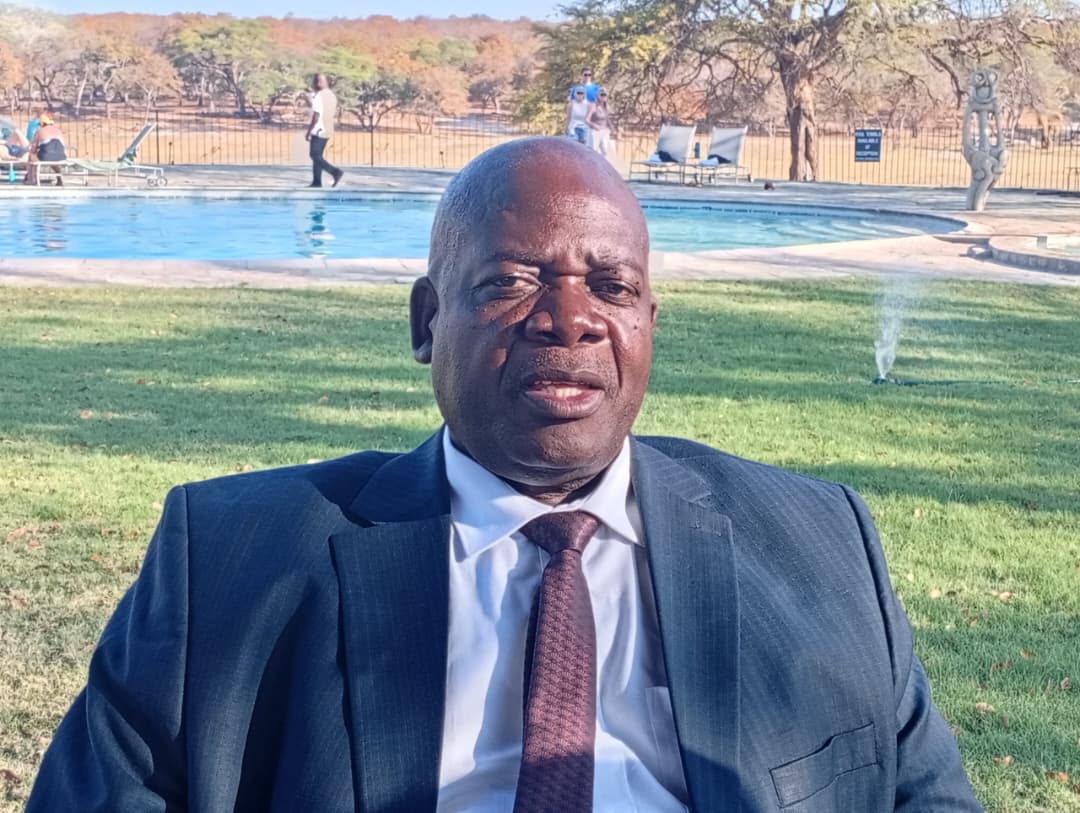
Following this development, the Midlands Secretary for Provincial Affairs and Devolution Mr Abiot Maronge summoned GCC and Zesa teams to his office to understand the dynamics behind the water shortages.
The media was excluded from the meeting.
In an interview after the meeting, Mr Maronge said ZETDC will now supply power to Gwenhoro Dam and Range Booster Pump Station so that GCC is able to pump water from the dam for treatment at the station.
“We have told ZETDC to supply the local authority power for at least 12 hours, that is from 5PM to 5AM to enable them to pump water from the dam for treatment before distributing it to the residents.
With that arrangement, we will be assured that residents have at least access to water for 12 hours or less but the fact that they are getting it is of utmost importance,” he said.
Mr Maronge said the main challenge affecting GCC is the unavailability of a bulk water reservoir to store treated water.
GCC water reservoirs have not been operational for more than a decade, a situation that is affecting supply of adequate water to residents.
“Because water is pumped directly from Gwenhoro Dam to residents, it means whenever there are power cuts, there is an interruption in pumping pressure, hence the recurrent shortages in the city. The ideal situation would be that water is pumped from supply dams to reservoirs and then from these reservoirs to residents,” he said.
Mr Maronge said besides water storage, reservoirs ensure increased water pressure to areas where the water is pumped.
“Council used to have another reservoir in Mkoba 14 but am told it’s no longer working. As a result, high-lying areas like Mkoba 15 no longer have access to tap water as often as those in low-lying areas.
So, we tasked the local authority to come up with an action plan in the next week on how they can rehabilitate or revive the water reservoirs,” he said.
Mr Maronge said they also asked GCC to make sure that the six high-level water pumps bought using devolution funds are all functioning to ensure full pumping of water at Gwenhoro Dam.
“There are some water pumps that we are told are not functioning because of challenges with a transformer that malfunctioned on delivery. As a result, the local authority is not using those pumps.
If the pumps were being used, council should be pumping way above 60 megalitres from about 40 megalitres or less they are pumping now,” he said.
Last week, Mr Daniel Chikwata who is into brick moulding at Mkoba 6 shopping centre said he is forced to travel to Ngamo Dam to fetch water so that he doesn’t stop brick production.
“The water situation is now dire and I think the council should do something in the form of getting an alternative source of power. We can’t afford to travel to Ngamo which is about 60km to and from Mkoba 6 to fetch water. The business will not be sustainable,” he said.
Chairman of Gweru Residents Trust (GRT) Mr Antony Madzivanyika said the infrastructure for piped water in Gweru was developed in the 1950s and was designed for a few people by then.
GCC spokesperson Ms Vimbai Chingwaramusee attributed the persistent water challenges affecting residents to power cuts at Gwenhoro and White Waters dams.
“The dry taps experienced in the city are being caused by power outages. Time and again we have these power outages and we have engaged ZETDC on the issue, but nothing fruitful has come out of it. Sometimes we have low outages which makes it difficult for us to pump water,” she said.
Last year, Ms Chingwaramusee said they had even requested a dedicated power line for Gwenhoro, but nothing has materialised.
The local authority currently pumps 45 000 megalitres of water per day, which is just below half of the city’s daily requirement of over 80 000 megalitres to meet the demand from residents and companies.


 Blessing Chizhande
 Online Reporter