Online Reporter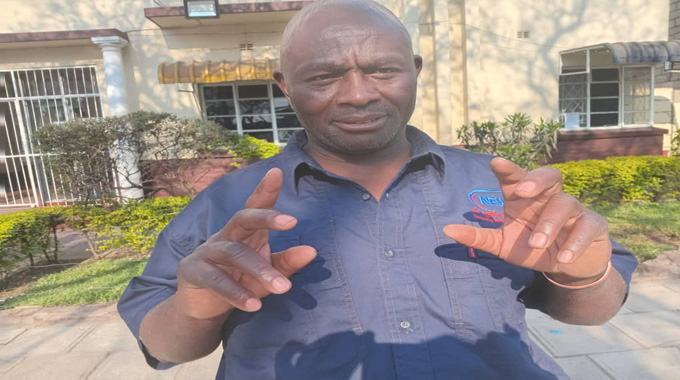
Fungai Muderere, Zimpapers Sports Hub
ZIFA have unveiled a detailed roadmap to grow futsal across Zimbabwe, with plans stretching from grassroots schools to tertiary institutions.
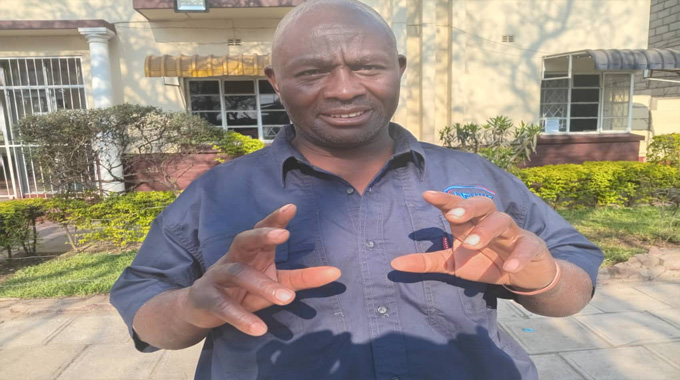
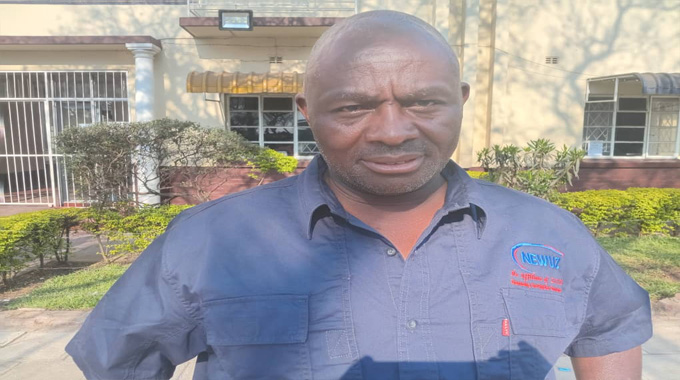
Zifa Futsal chairman Philani Banda said the association is determined to make the small sided version of football a permanent feature in the country’s sporting landscape.
“We believe in the importance of futsal as it enhances skills like teamwork and coordination, provides a platform for youth engagement and physical fitness,” said Banda.
But he admitted the game is struggling for recognition. Participation in schools and colleges remains low, and futsal is yet to find a place on official sporting calendars.
“In primary schools there is no calendar for futsal and it is not yet on offer. In Nash very few schools are participating, mostly in Bulawayo Metro and Harare Metro. Other provinces are not playing. In tertiary institutions it is only offered mostly to Paralympic athletes,” Banda said. “The challenges being faced are lack of structured programmes and resources, limited awareness and understanding of the sport, lack of sponsorship and partners.”
He added: “We have limited qualified coaches, administrators and referees to run futsal activities in all provinces to the extent that sometimes 11-A-Side officials are deployed in futsal.”
Banda said the ultimate aim is to integrate futsal into Zimbabwe’s sports curriculum, from grassroots through to tertiary education.
“Our goals will be to increase participation rates in all provinces, develop a pipeline for talent identification and progression, and provide quality education for coaches and referees,” he said.
The roadmap sets out four phases:
Phase One: Awareness and engagement. Workshops and seminars will be held for schools, with partnerships forged with local clubs. Introductory futsal sessions, parent engagement, and community events are expected to boost interest.
Phase Two: Infrastructure development. Banda said futsal courts will be built in schools, with partnerships pursued with local authorities. “We will identify potential sites for futsal courts and seek funding from Government and the private sector,” he said.
Phase Three: Coach and referee education. This will involve certification programmes and a tiered coaching structure. “We will offer workshops focusing on futsal-specific tactics and techniques,” Banda said. Referees will be trained to form a competent panel drawn from all provinces.
Phase Four: Competition structures. Local, regional, and national tournaments will be introduced, including inter schools leagues and a national championship. Talent pathways will include scouting programmes and scholarships through tertiary institutions.
Banda said the roadmap also proposes setting up governance structures to oversee futsal at national and local levels, defining roles for coaches, referees, administrators, and volunteers.
For accountability, the association will use key performance indicators such as participation rates, the number of trained coaches and referees, and player feedback.
“Our feedback mechanisms will include surveys from players, coaches, and parents to assess programme effectiveness,” Banda said.