admin
admin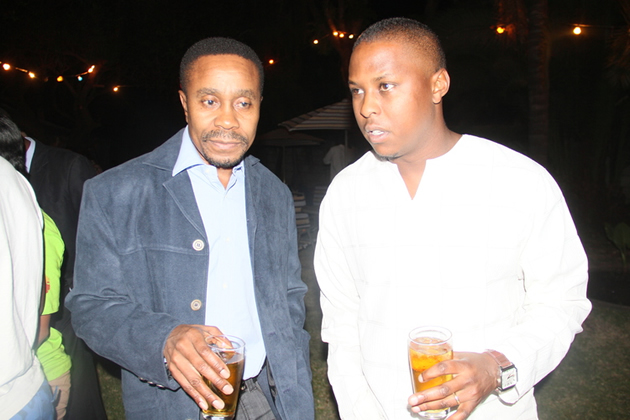
Jonathan Mbiriyamveka Entertainment Reporter
The Zimbabwe International Film Festival got off to a good start on Tuesday in Kensington with the screening of a classic film “Lumumba”, a true story of the rise to power and brutal assassination of the formerly vilified and later redeemed leader of the independent Congo, Patrice Lumumba.
The festival which failed to take place last year due to maladministration, made a welcome return this Week under a new board with guest being South African film and television actor Vusi Kunene.
“We are excited and honoured that the festival has made a welcome return. This was made through several partnerships which we cherished over the years,” Nigel Munyati, the acting director and founding trustee said.
Kunene said he was honoured to have been invited to grace the four-day festival saying Zimbabwe was his second home. And the opening film was more apt as it coincided with the International Human Rights Day which is celebrated on December 10 every year.
The plot is based on the final months of Patrice Lumumba (played by Eriq Ebouaney) the first Prime Minister of the Congo, whose tenure in office lasted two months until he was driven from office. Joseph Kasa-Vubu (Maka Kotto) was sworn in alongside Lumumba as the first president of the country, and together they attempt to prevent the Congo succumbing to secession and anarchy.
The film concludes with Joseph Mobutu (Alex Descas) seizing power with, as according to factual evidence, the support of the United States.
However, more ore importantly about the festival is that all the films being screened were shot in Zimbabwe in line with the theme: “A Retrospective Looking Back Thru Independent Eyes”.
Zimbabwe has over the years created a rich history of filmmaking since independence with Hollywood stars in the likes of Denzel Washingston, Nicolas Cage, Sharon Stone and Morgan Freeman visiting the country to shoot movies. It is against this backdrop that this year’s ZIFF is more than welcome as it gives film lovers a glimpse of what the film industry was and where it should be.
This theme also fits well with workshops, discussions and symposiums that have been lined up.
These will focus on, among other issues, “why Zimbabwe’s film industry remains a commercial failure” or “the impact of deterioration in filmmaking standards in Zimbabwe”.
The festival will also look back at dedicated filmmakers that have illuminated the film scene, whether deceased or living.
Names that easily come to mind are Godwin Mawuru, David Gwaza, Rumbi Katedza, Ben Zulu, Simon Shumba, Tsitsi Dangarembga and Nakai Matema among others.
Some of the filmmakers who attended the festival included Elton Mujanana, Joe Njagu, Rufaro Kaseke, Saki Mafundikwa and Munya Chidzonga who is also one of the festival ambassadors.
Today the festival goes a gear up with the film forum tiled “How Did We End Up Here, Zollywood?”
Presenters include Rumbi Katedza, Marian Kunonga and representatives from the two parent ministries, Ministry of Sport, Arts and Culture and Ministry of Information Media and Broadcasting Services.


 Online Reporter