Online Reporter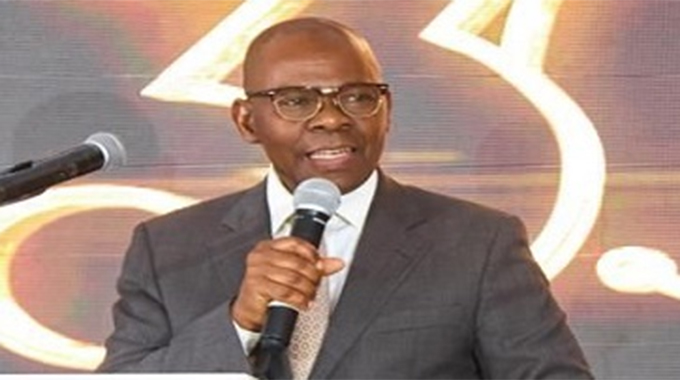
Rutendo Nyeve [email protected]
THE use of Zimbabwe Gold (ZIG) transactions across all platforms has risen to approximately 43 percent, with the Reserve Bank of Zimbabwe (RBZ) expressing confidence that this growth will soon translate into long-term capital, enabling banks to mobilise funds for lending.
This was revealed by RBZ Deputy Governor Dr Innocent Matshe while addressing delegates at the Zimbabwe Tripartite Negotiating Forum Global Summit currently underway in Victoria Falls.
Dr Matshe expressed optimism about the stability of the local currency, stating that sustained confidence-building measures have yielded positive results.
“I am confident that when you wake up tomorrow, the value of your currency wouldn’t have changed. For this, we have done a country-wide campaign, and we have seen that the use of ZIG transactions on all platforms has risen to about 43 percent. This is positive, but it’s yet to translate to being long-term capital,” he said.
Dr Matshe acknowledged that the transition would take time, saying banks are gradually moving from savings mobilisation to capital formation.
“We accept that, but these things take time. This will not happen overnight. In terms of why banks are not performing their traditional role in mobilising and then lending, I think, again, the explanation is time,” Dr Matshe said.
He noted a rise in Non-Convertible Debentures as banks continue transitioning, adding that the loans-to-deposit ratio had recorded a marginal downtick of three to five percentage points.
“We have seen Non-Convertible Debentures on the rise because banks are not yet mobilising those and translating them into long-term or medium-term credit. But we think that it’s a steady transition of banks and other financial institutions moving from savings to capital formation,” he said.
Dr Matshe dismissed concerns over the current trend, describing it as expected in a transitional economy.
“Yes, there is an uptick or a downward trend in the loans-to-deposit ratio, but it’s between three to four, five percentage downticks. It’s expected in a transitional economy like ours. So, I’m not worried. The bank is yet not worried, and we think this will self-equalise and we will see an uptick.”