admin
adminPhineas Mukwazo, Recently in Beijing, China
ZIMBABWE athletes fared badly at the World Championships in Athletics in Beijing, China which ended last Sunday.
Zimbabwe were represented by Cuthbert Nyasango, Cephas Pasipamire and Gilbert Mutandiro (marathon), Tatenda Tsumba (200m) and Olivia Chitate (5000m) at the global showcase.
Tsumba disappointed at the first hurdle when he came last in the 200m race for an early exit.
As if not to be outdone, Chitate also fell aside in the 5000m heat where she also came last.
Zimbabwe long distant runners Nyasango, Pasipamire and Mutandiro also failed to make any head way in the grueling marathon event.
However, some of the athletes should take solace in the fact that they managed to post personal best times.
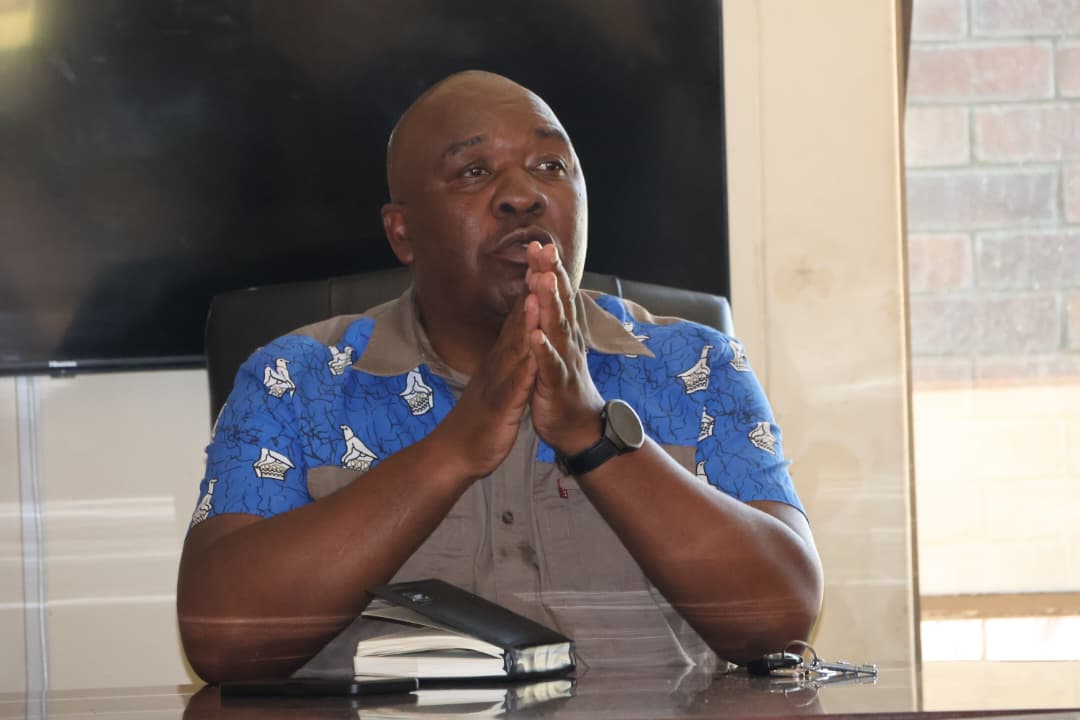
Following the country’s disastrous outing in Beijing, Sunday Leisure Sport had a chat with Zimbabwe team coach Beijing Pakamile Lisimati, who is also the National Athletics Associations of Zimbabwe director of coaching, talent identification and development.
On lessons learnt in beijing
Lisimati: First of all as the coaching department for the National Athletics Association, we have actually learnt a number of lessons, not only from the senior world championships but from all the world championships that we have participated in this year.
And the important issue that we have to work on and improve as Team Zimbabwe and coaches in Zimbabwe, is the issue of bringing athletes together for camp before we depart (for international assignments).
The issue of camping is very important as it brings in oneness in the team, builds confidence, builds the momentum for performing and representing the country. So as an association we have learnt and we hope that in the near future and the coming championships our teams will be coming together to group for as short a time as two to three days or even a week so that we prepare thoroughly with the coaches that will be travelling with the team.
The shortcomings that we had this year and basically looking at the World Championships were becasue our athletes went to these games ill prepared.
I want to exempt the senior athletes who went to the World Championships because these guys qualified well in time and they knew as seniors what their responsibilities were.
But it is a different case with the youth and the juniors, who qualified in time but were deceived by their personal coaches, individual trainers, teachers and whoever was responsible for their development and assisting to train these youngsters, as we picked it out that these guys last trained at the major competition that they qualified from for the World Championships.
So that is the weakness that we picked as an association coupled with lack of training assistance by specialist coaches that we have in the country.
The athletes should be constantly trained and developed by specialist coaches so that they maintain their shape, form and performance.
Is there any need for remuneration to motivate the athletes?
Lisimati: Definitely there is a need for motivation of athletes through remuneration.
But at this point, I will want to maybe urge and push athletes in Zimbabwe that the first motivational factor that should push them to perform and participate should be the will and the wish to represent their country, the will and the wish to qualify for senior or major world championships without any intrinsic motivation.
When we say intrinsic motivation, we are talking about the use of monetary awards, basically any monetary awards and prizes given to athletes for them to perform. Yes it is important at senior level to source for sponsorship and awards and give medals.
It can be prizes, cash prizes and material prizes for performing and representing the country. It is important looking at athletes that earn a living through running.
But for the juniors and the younger guys, there is no need for them to be paid money because that renders them ineligible for scholarships overseas. Scholarship opportunities are closed to those youngsters who have received prizes or who are receiving prizes.
Is there need to redouble efforts to harness talent, considering that women dismally failed to qualify for the world championships?
Lisimati: It is very important that as a country we also acknowledge the lack of outstanding performances by women in the current crop of athletes.
It is our duty as an athletics association, from both coaches, administrators’ and everyone involved in athletics that we harness and bring up support for all the female athletes that we come across.
We should avail different opportunities, avail the facilities for training, avail the good environment for them to be able to participate in sport and also avail proper coaching and development for them to qualify for such competitions.
Should there be good rapport between coaches?
Lisimati: That is basically the essence of our coaching department where we are saying all individual coaches should at least be able to communicate with the national coaches, specialist coaches or head of departments in the coaching department so that we work together hand in hand. So that we know our athletes’ needs as a collective.
Why have national records stood for such a long time: does that signal the bad state of athletics in the country?
Lisimati: It is very very true that we have records that have stood for a very long time. Yes at one point, at some point, in time our athletics had taken a serious nosedive and that was one factor that has affected maybe the standing of these records. There was a time in the past few years that our economic situation was not well, people stopped competing, people were in all sorts of challenges and so forth.
Athletics was not spared from that situation, either and as a consequence the quality of our athletics went down. However, as we speak now we are in the process of rebuilding, rebranding and trying to bring it up. I am posing this as a challenge to the athletes that are currently in the system to take an aim at those records.
Our performance in Beijing
Lisimati: Generally it was a challenging outing for Team Zimbabwe, but we are happy as Zimbabwe that we managed to send a full marathon team. That was the first time in as many years that Zimbabwe had done so. We also sent a sprinter who had qualified for the Games.
We also had a slot for a female representative who had not qualified. The team did not do very well, but it was a challenging outing. We hope to improve and maintain and better the numbers, improve performance of individual athletes, and performance of the team at the next championships in London in 2018.
On athletics teams going to the African games without coaches
Lisimati: It is a very big challenge that we as an association are trying to fight.
We are saying when we send out an athletics team it should be a true representation of an athletics team with all systems functioning. It is not proper to send an athletics team without a coach especially now when we are saying we want to build.
We should start by doing the small things right so that at the end the day we can say we are in the right direction.



 Online Reporter